
Photos and stories
BUDAPEST BY HAND
In search of the unseen - chronicles in bronze and stone.
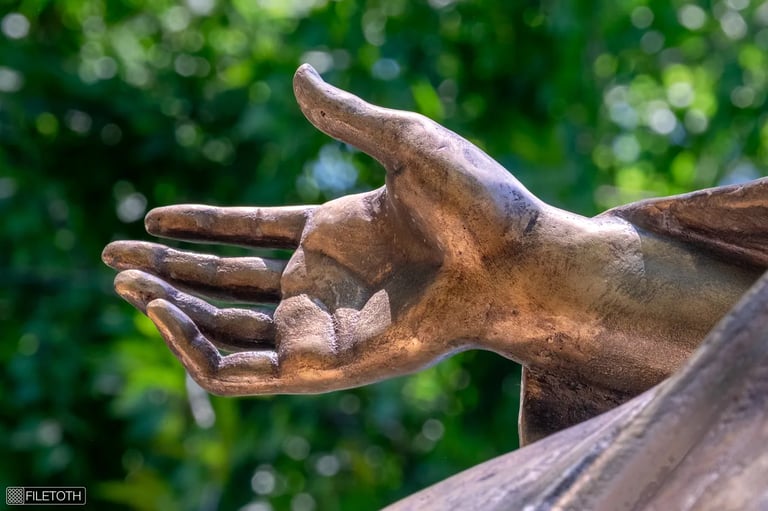
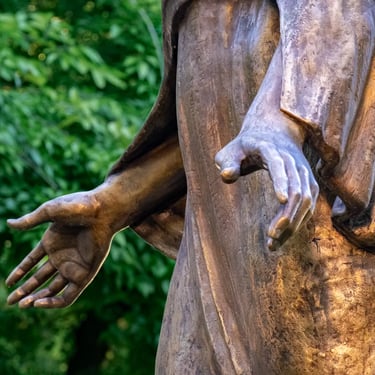
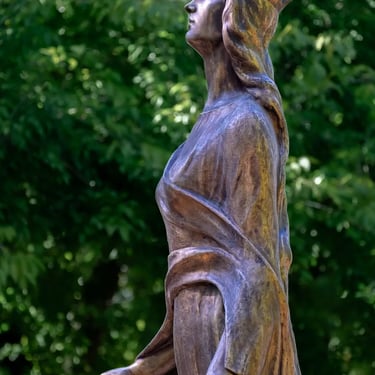
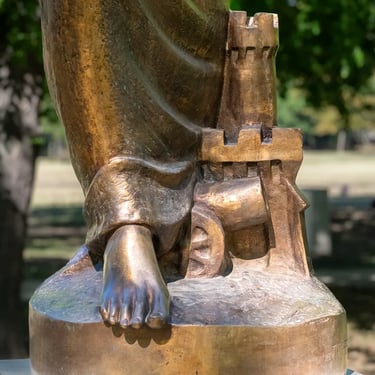
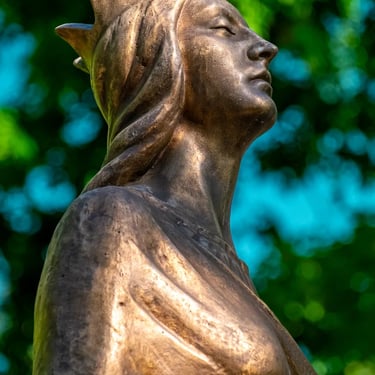
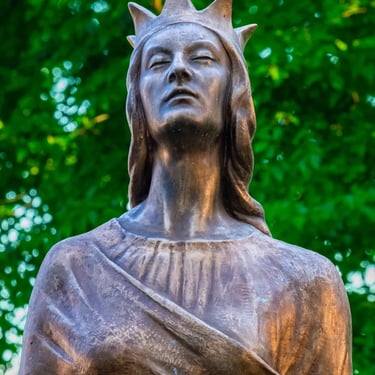
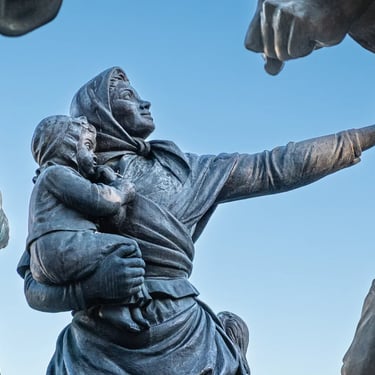
The hand of protection
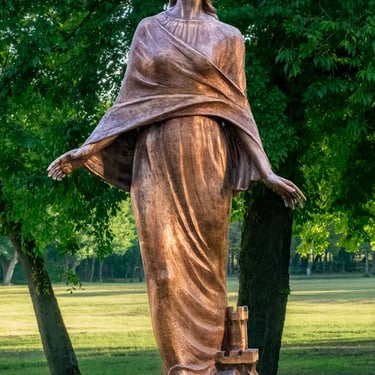
Saint Barbara statue
Saint Barbara was a legendary early Christian martyr, especially venerated as the patron saint of artillerymen, miners, architects, and others whose jobs involve danger from fire or explosions. Although her historical existence is uncertain and her story is heavily embellished in the Middle Ages, Saint Barbara remains an important figure in Christian tradition, with her feast day celebrated on December 4. Statue by Mihály Dabóczi, December 4, 1937. [1]
Location (Google Maps)
The hand of valor
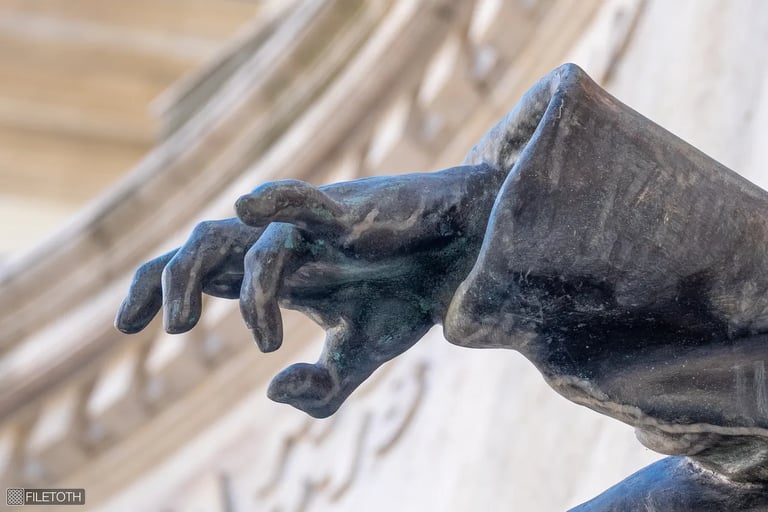
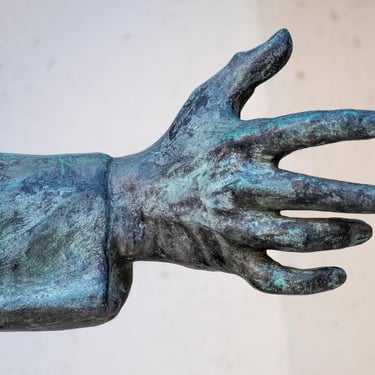
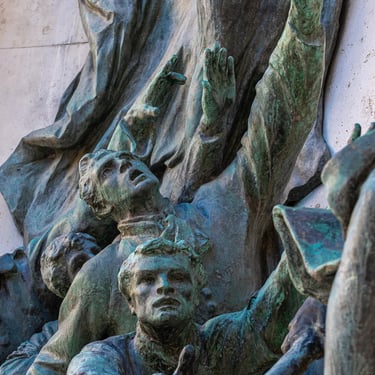
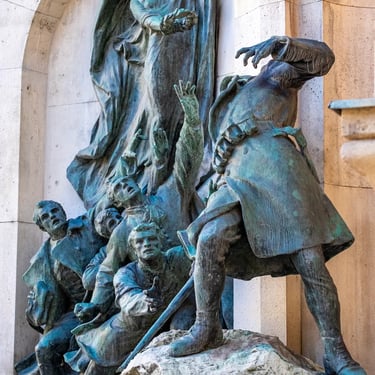
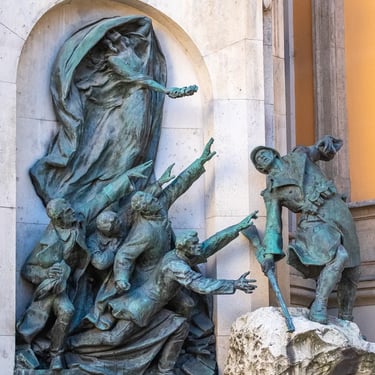
ELTE University heroic memorial
The composition commemorates those university students who fought in the First World War. The memorial depicts a scene in which the students rush to the aid of a wounded soldier. The personified female figure of Genius holds a wreath above the youths. The relief figures of the students running toward the soldier emerge from the gateway, while the soldier appears as a separate statue. Created by György Zala and Jenő Kismarty-Lechner, November 1, 1930. [2]



Location (Google Maps)
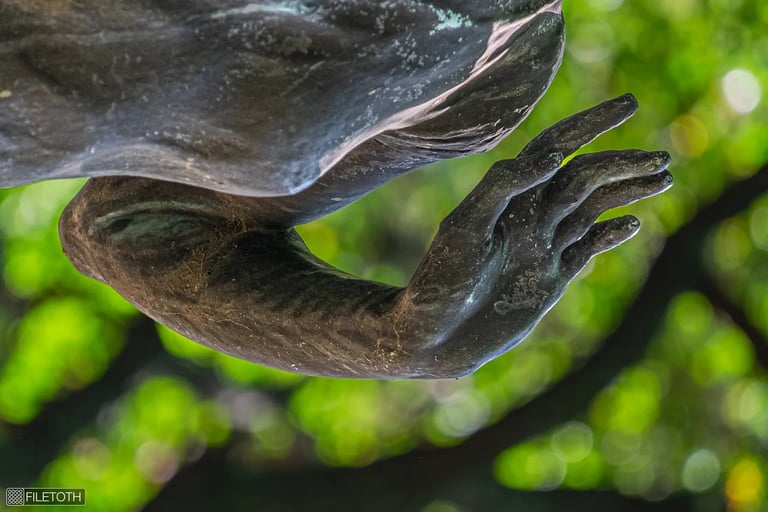
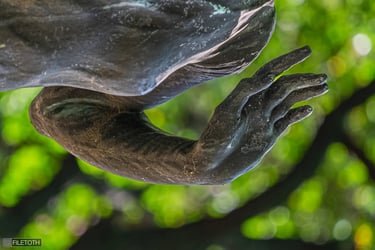
The hand of spring
Spring statue
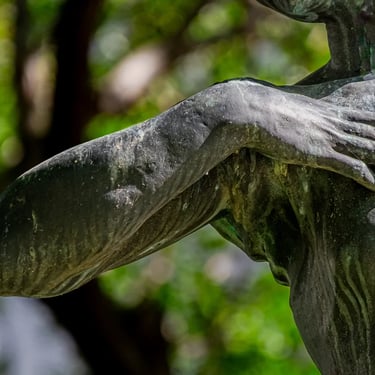
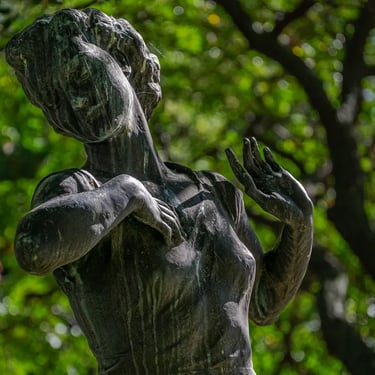
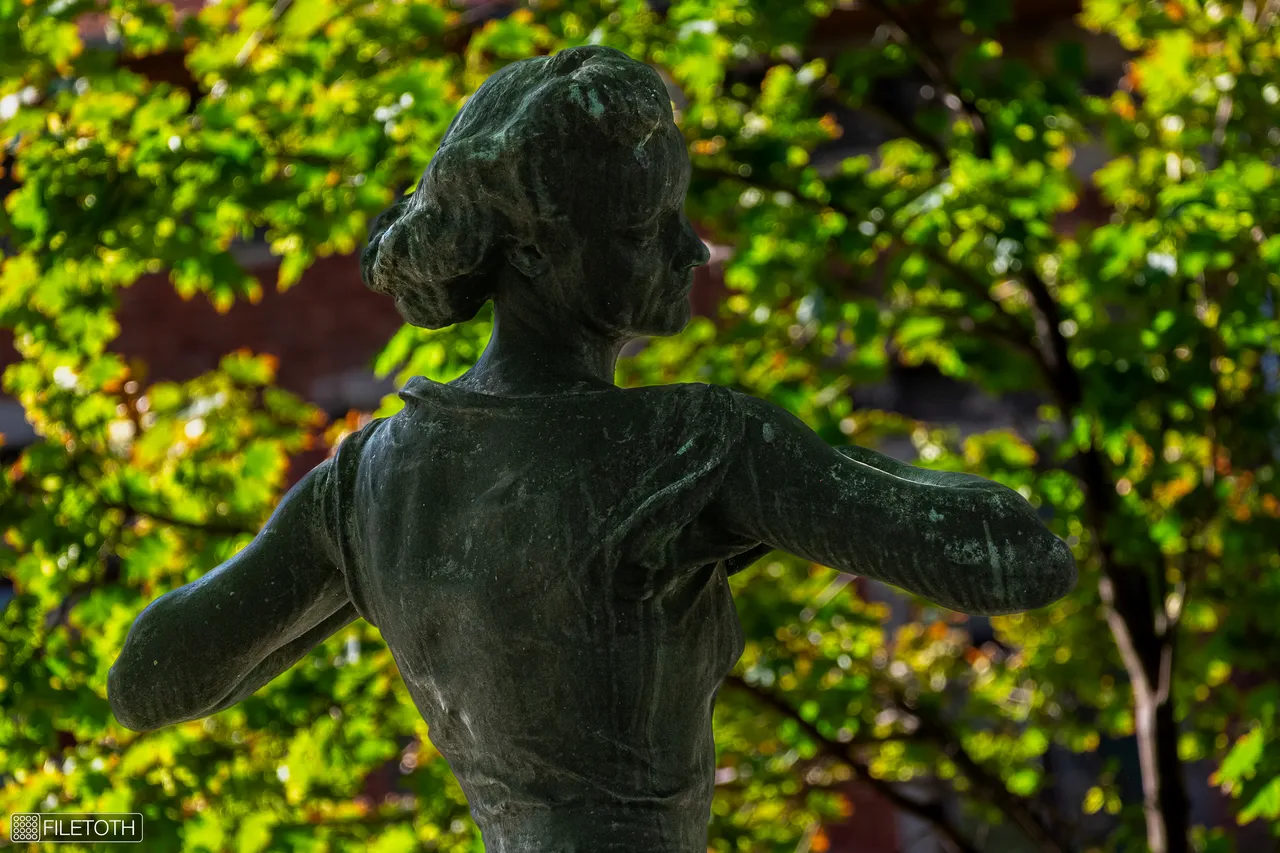
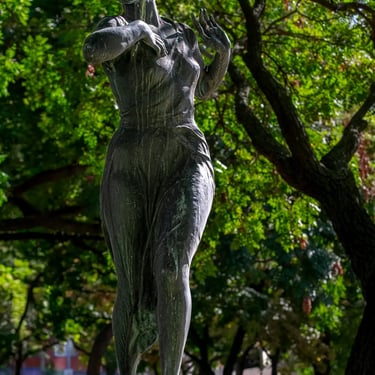
Jenő Grantner (1907–1983) was a sculptor renowned for his elegant forms and unwavering commitment to a classical style. This bronze statue captures the pursuit of pure beauty and direct emotional expression, reflecting his sensitivity to themes of renewal and vitality. The sculpture, depicting a young woman welcoming spring, is subtly positioned among the multistory buildings of Józsefváros. Statue by Jenő Grantner, 1979. [3]
Location (Google Maps)
The hand of brotherhood
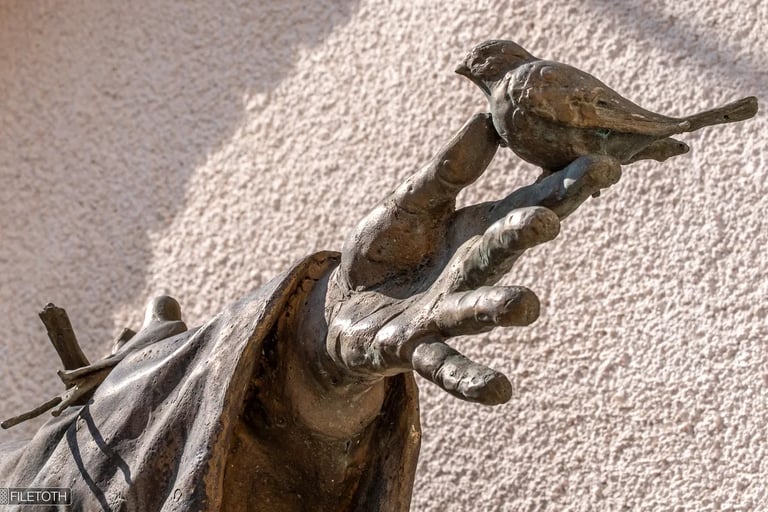
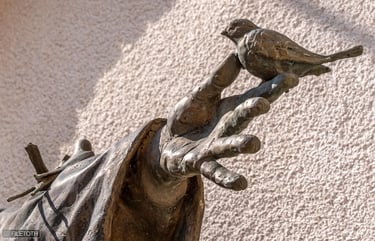
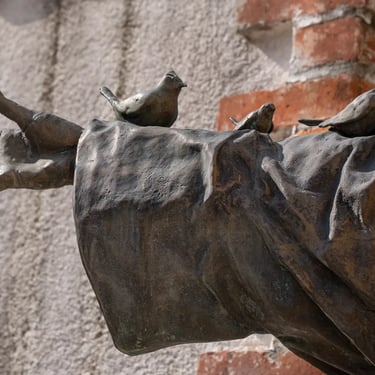
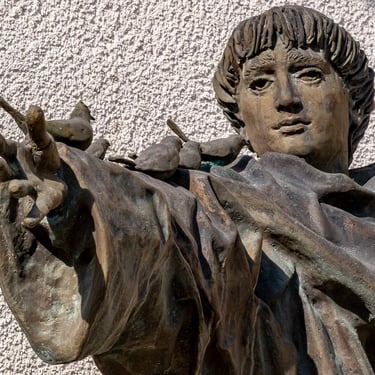
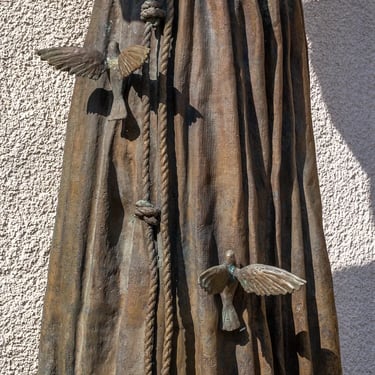
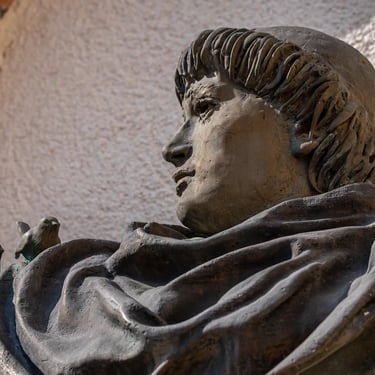
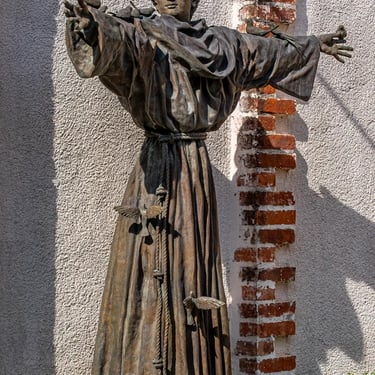
Saint Francis statue
Saint Francis of Assisi (1181–1226) is recognized as a humble friar who sacrificed wealth to live a life of poverty, compassion, and service. He is known for his timeless call for peace, humility, and acceptance, as well as for his deep love of nature and all living beings. He founded the Franciscan Order and inspired many followers through his message of unity. Statue by Sándor Kligl, 2001. [4]
Location (Google Maps)
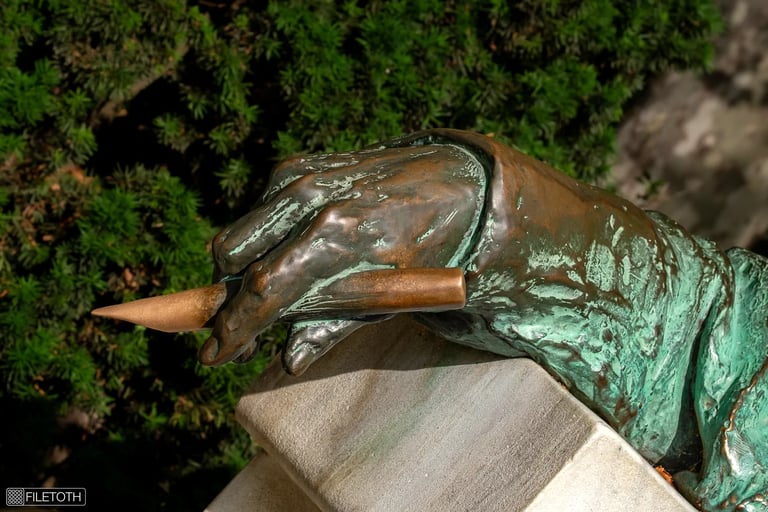
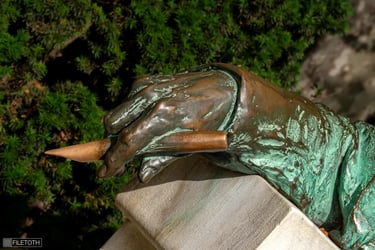
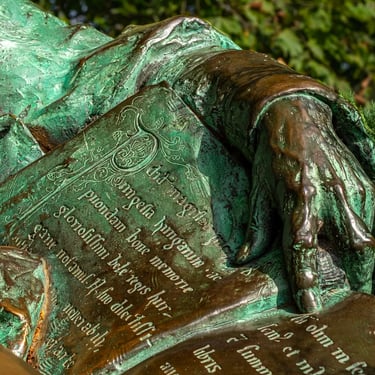
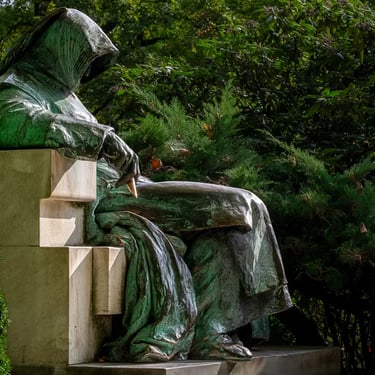
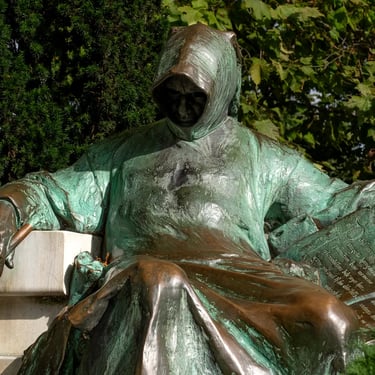
The hand of chronicles
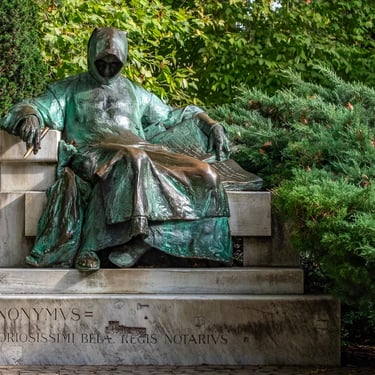
Anonymous statue
Anonymous, the anonymous notary of King Béla, was a Hungarian chronicler who lived at the turn of the 12th and 13th centuries. His true identity remains unknown to this day. His most famous work is the Gesta Hungarorum - an outstanding piece of medieval literature that has played a significant role in the study of Hungary's early history, origins, and later perception. Statue by Miklós Ligeti, November 8, 1903. [5]
Location (Google Maps)
The hand of routine
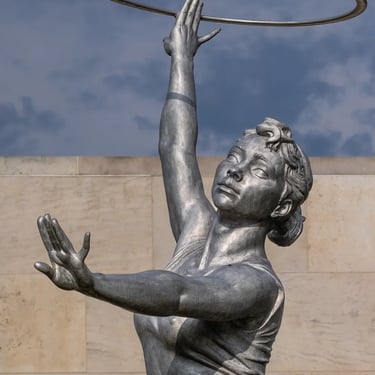
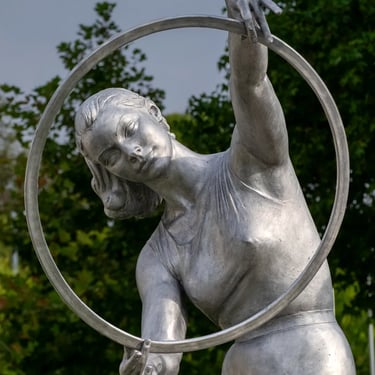
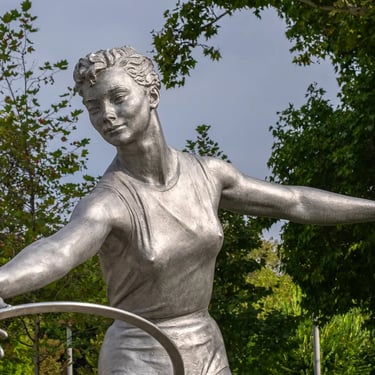
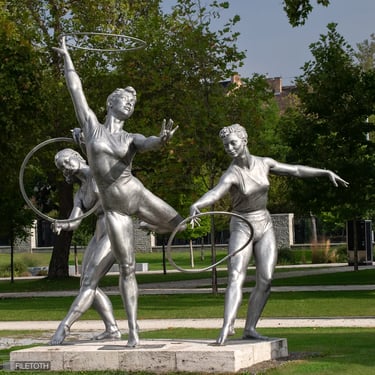
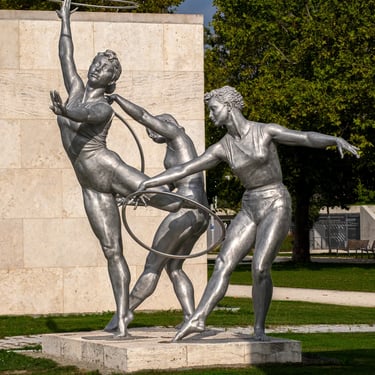
Gymnasts statue
When thinking of female gymnasts, one might picture slim, young girls. The work created in 1958 depicts gymnastic girls performing a hoop exercise routine. These girls are graceful and airy, but not particularly young or thinly muscular. Statue by Dezső Győri, 1958. [6]


Location (Google Maps)
The hand of despair
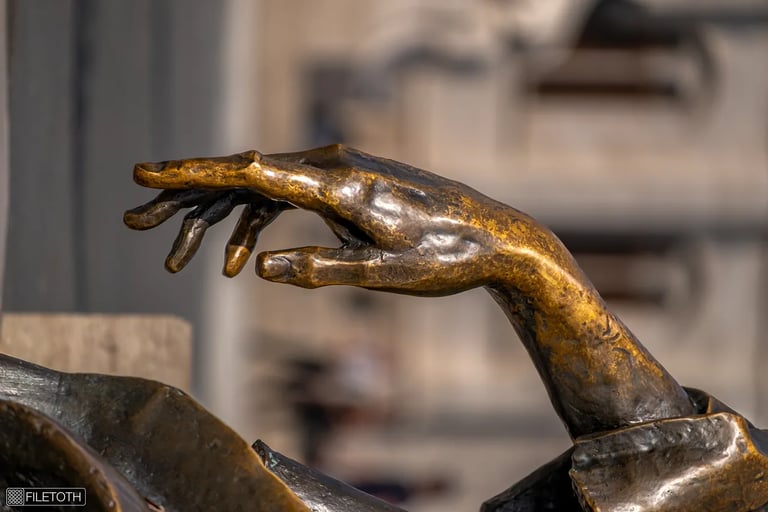
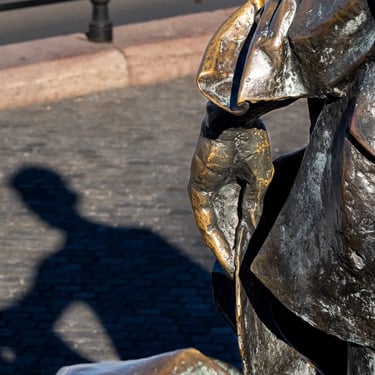
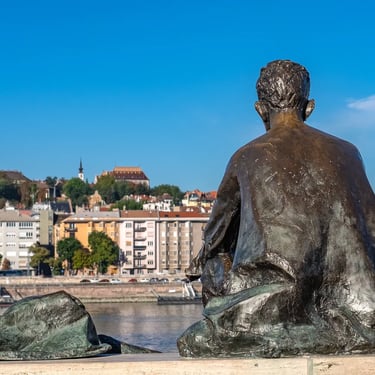
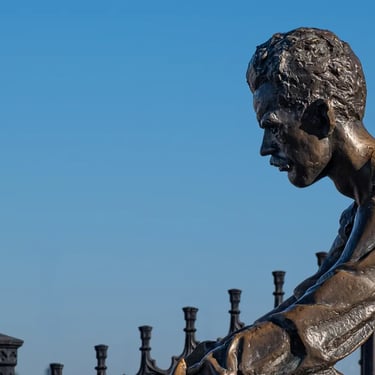
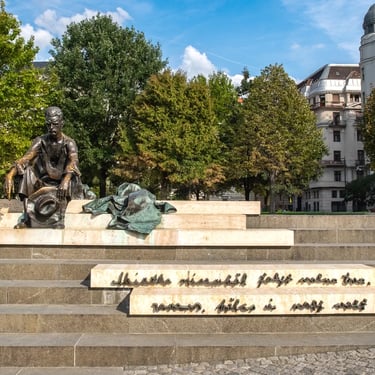
At the Danube - Attila József statue
Attila József (1905–1937) was a prominent Hungarian poet, renowned for his evocative, socially conscious poetry. "At the Danube" is one of his most famous poems, written in 1936. It explores themes of identity, history, and the flow of human life while sitting by the Danube River in Budapest. Through vivid imagery, he connects personal and collective memory, conveying both sorrow and hope for the Hungarian people. Statue by László Marton, December 22, 1980. [7]



Location (Google Maps)
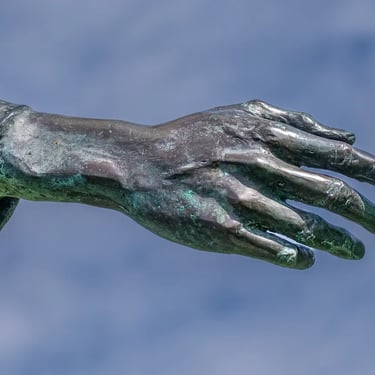
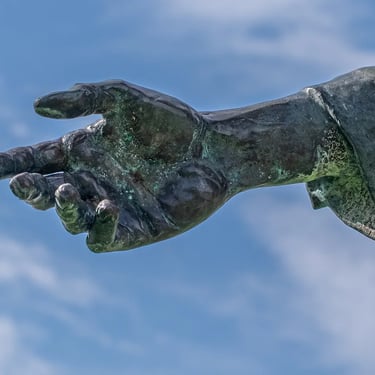
The hand of desire
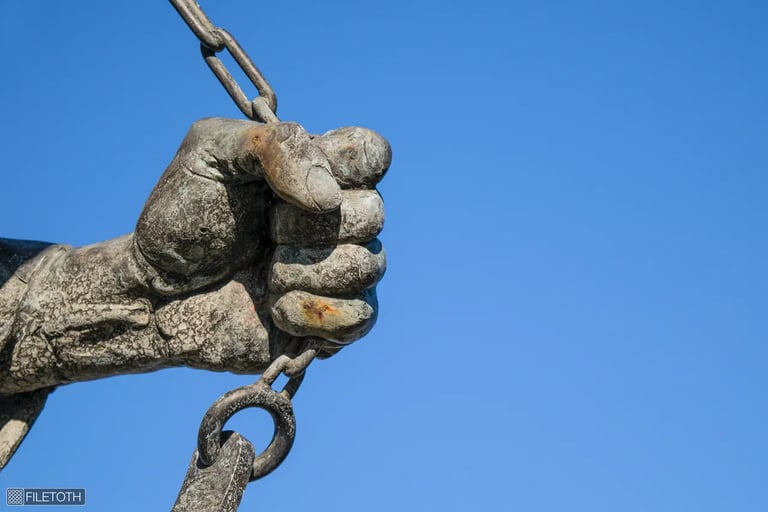
Imre Soós statue
Imre Soós (1930–1957) was a Hungarian actor who won the Jászai Prize and died at a young age, playing the male lead in the 1956 film Merry-Go-Round. The statue captures a scene from the film. Director Zoltán Fábri, following the regulations of the Rákosi government, produced films that adhered to socialist realism. However, in Körhinta, his explosive dramaturgy and poetic montages had a revolutionary impact, inspiring many Hungarian directors. Statue by Péter Párkányi Raab, 2002. [8]




Location (Google Maps)
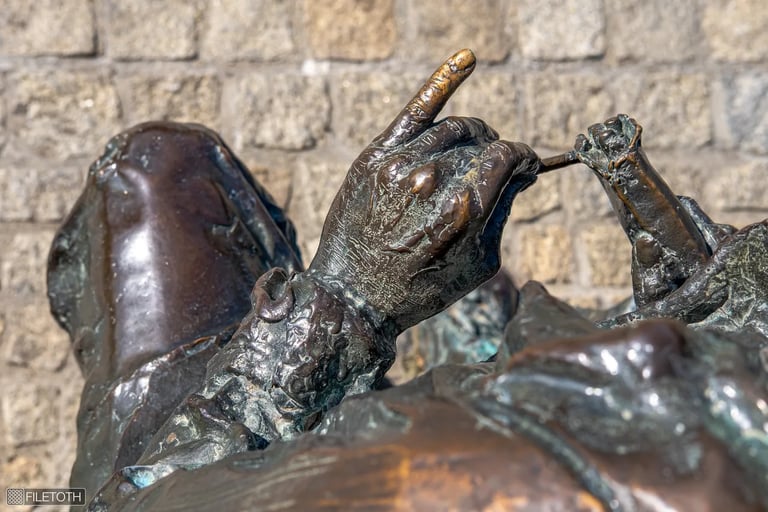
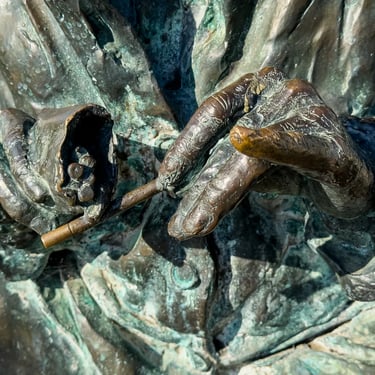
The hand of candor
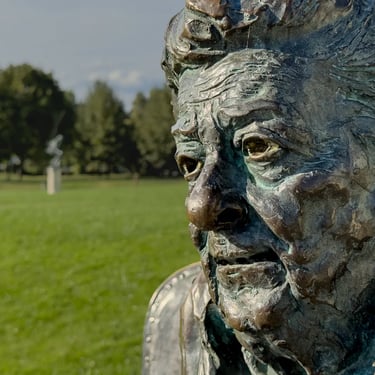
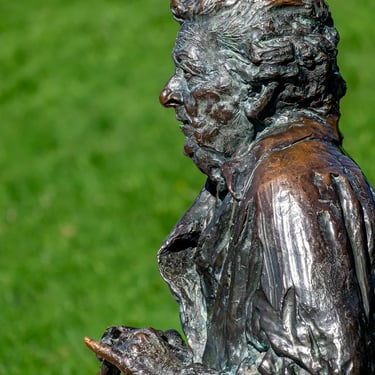
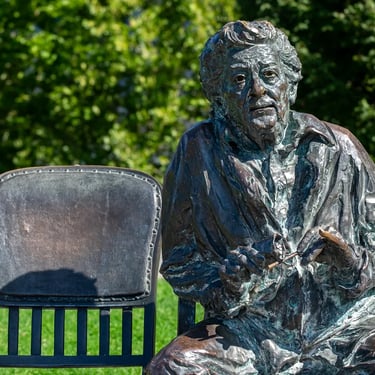
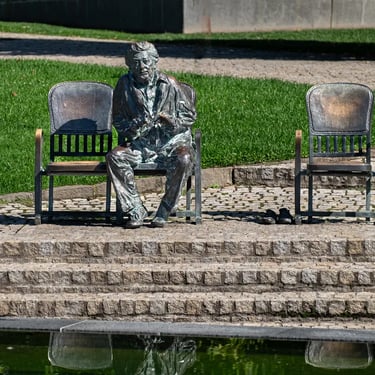
Hilda Gobbi statue
Hilda Gobbi (1913–1988) was one of the most fascinating, original, and popular figures in Hungarian theater and film history. She was also active in public life: "Actors, willingly or not, always engage in politics... they stand a meter and a half above the audience when addressing them.” Her bluntness helped actors in need and led to the establishment of an actors’ museum, home, and dormitory. Statue by Péter Párkányi Raab, 2002. [9]


Location (Google Maps)
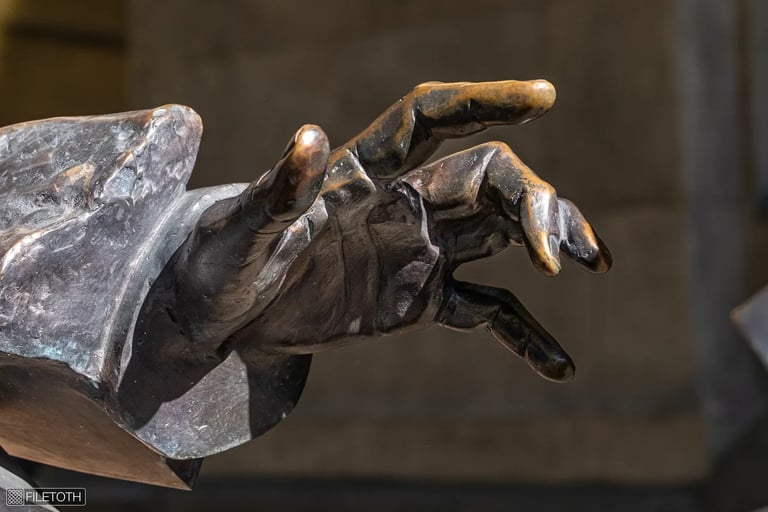
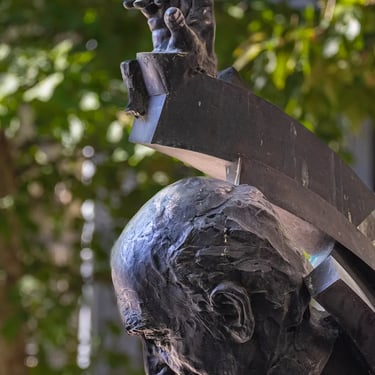
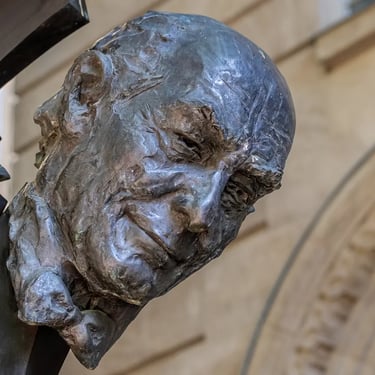
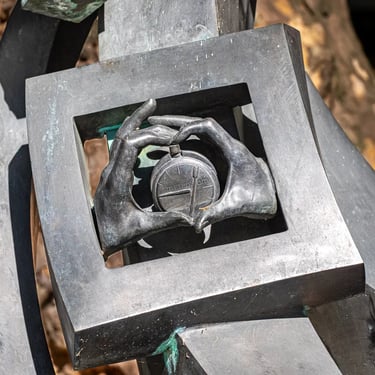
The hand of brilliance
Georg Solti statue
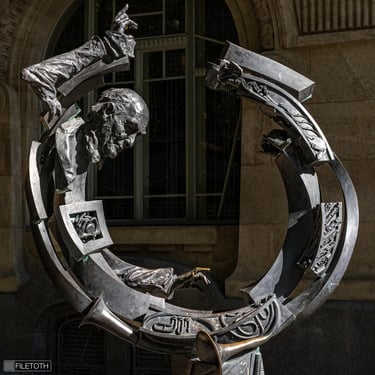
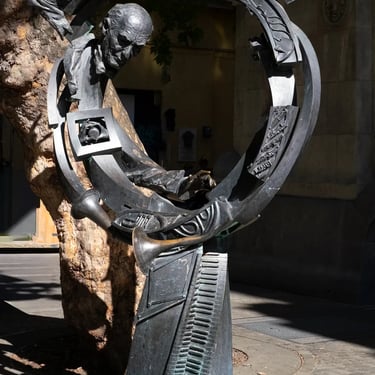
Sir Georg Solti (1912–1997) was a renowned Hungarian-British conductor known for his energetic performances with the Chicago Symphony Orchestra, Covent Garden, and many leading European opera houses. He won a record 31 Grammy Awards and recorded over 250 albums. Solti’s artistry and leadership influenced the world of orchestral and operatic music throughout the 20th century. Statue of Péter Párkányi Raab, October 22, 2013. [10]


Location (Google Maps)
The hand of exile
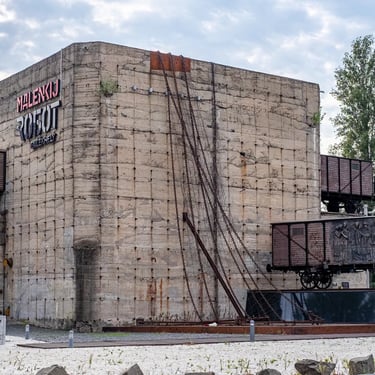
Malenki Robot memorial
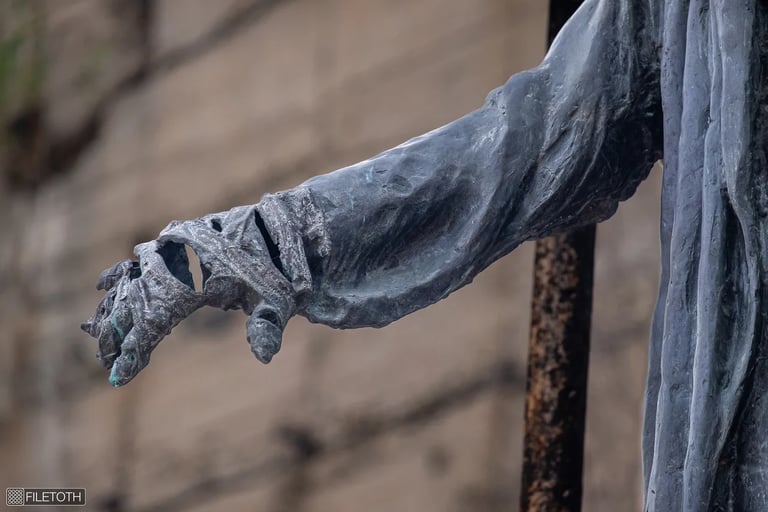
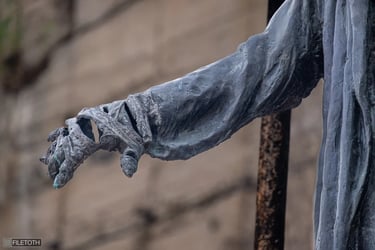
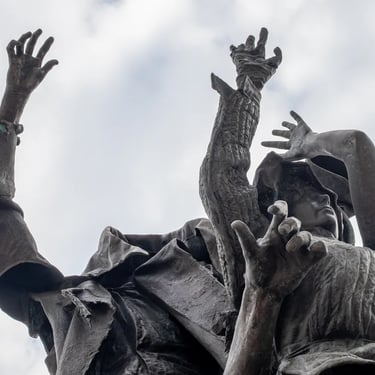
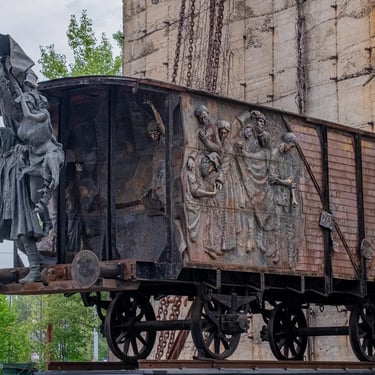
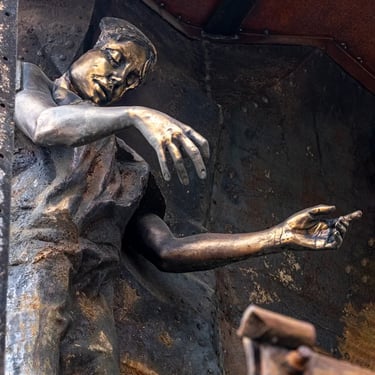
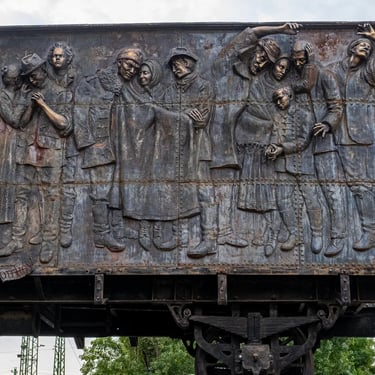
The memorial site acts as an “eternal memento” for the 300,000 Hungarians—and all Carpathian Basin victims of "Málenkij Robot"—who were deported without a court sentence. It is situated at Ferencváros Railway Station, the place where prisoners were taken to Soviet camps. The memorial’s central figure represents those who never returned. The worn, empty clothing preserves the memory of its lost wearer. Sculpture by Péter Párkányi Raab, February 26, 2017. [11]

Location (Google Maps)
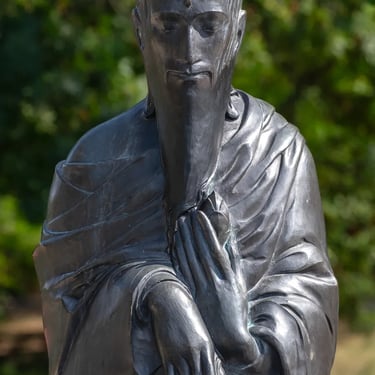
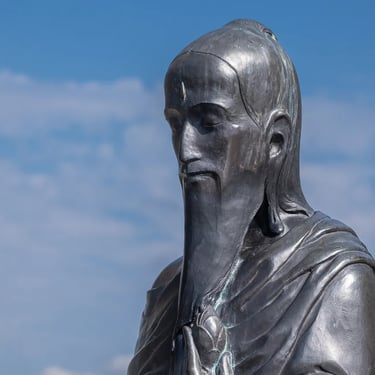
The hand of awareness
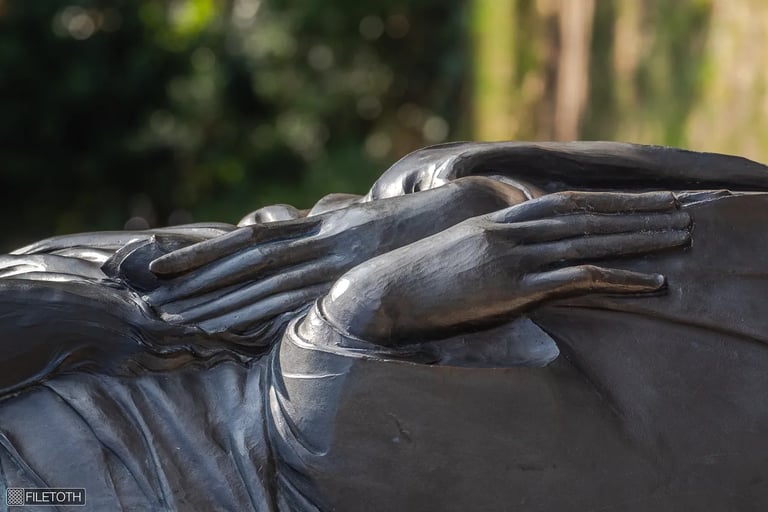
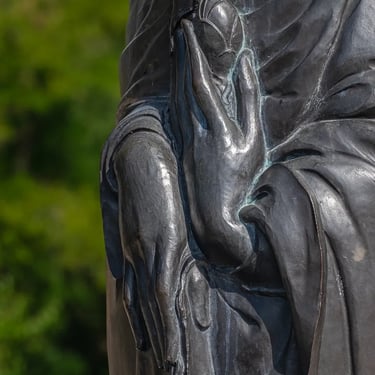
Buddha statue
The Buddha (5th-6th BCE) embodies wisdom, compassion, and inner peace. The lotus, blooming in muddy waters yet remaining pure, symbolizes spiritual growth and the triumph of wisdom, inner peace, clarity, and compassion on the path to awakening. Statue by Nándor Wagner, October 18, 2001. [12]

Location (Google Maps)
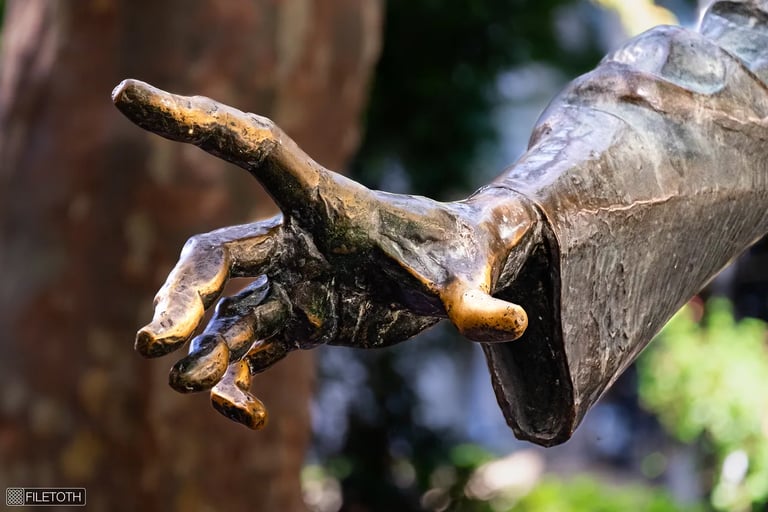
The hand of virtuosity
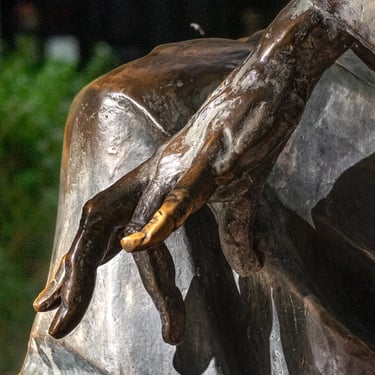
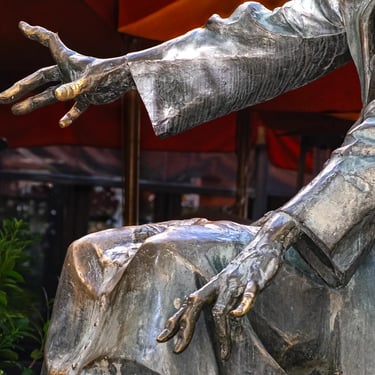
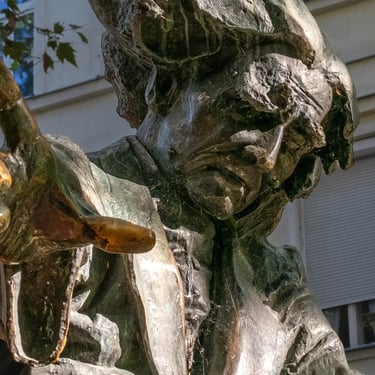
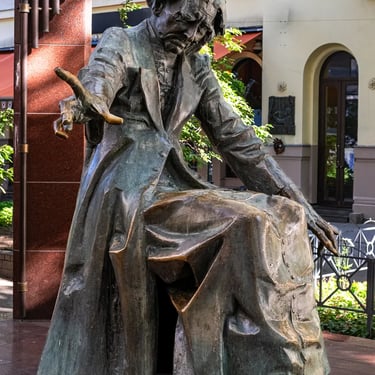
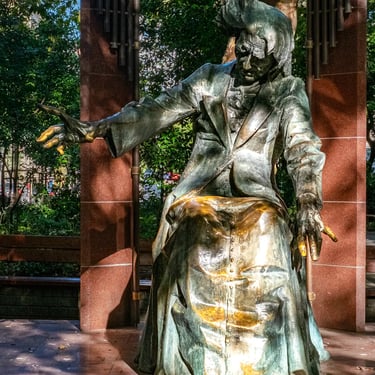
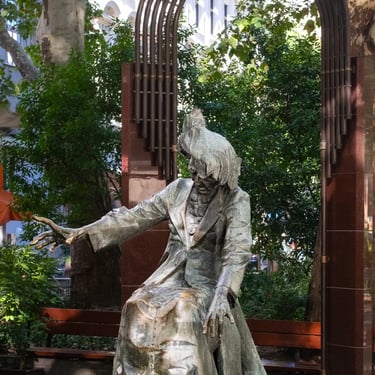
Franz Liszt statue
Franz Liszt (1811–1886) was a legendary composer and pianist known for his dazzling virtuosity and revolutionary contributions to music. Renowned for performances that combined unmatched technique with emotional depth, Liszt redefined piano playing. His expressive hands became symbols of both extraordinary skill and passionate artistry. Statue by László Marton, October 22, 1986. [13]
Location (Google Maps)
The hand of engineering
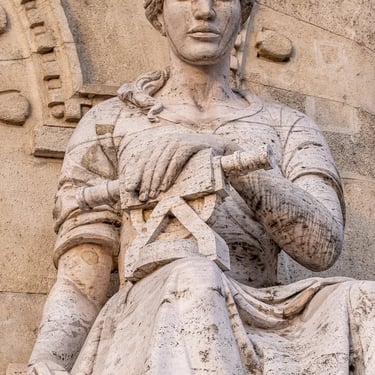
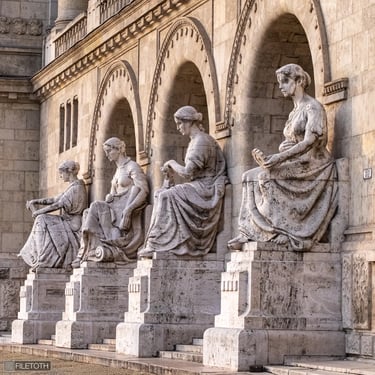
TUB statues
The statues at the main entrance of TUB represent the technical sciences: mechanical engineering, chemical engineering, architecture, and engineering sciences. In 1945, at the end of World War II, the statues were completely destroyed. In 2007, to celebrate the university’s 225th anniversary, the statues were reconstructed based on a photograph. Statues by Károly Senyei, 1909. [14]




Location (Google Maps)
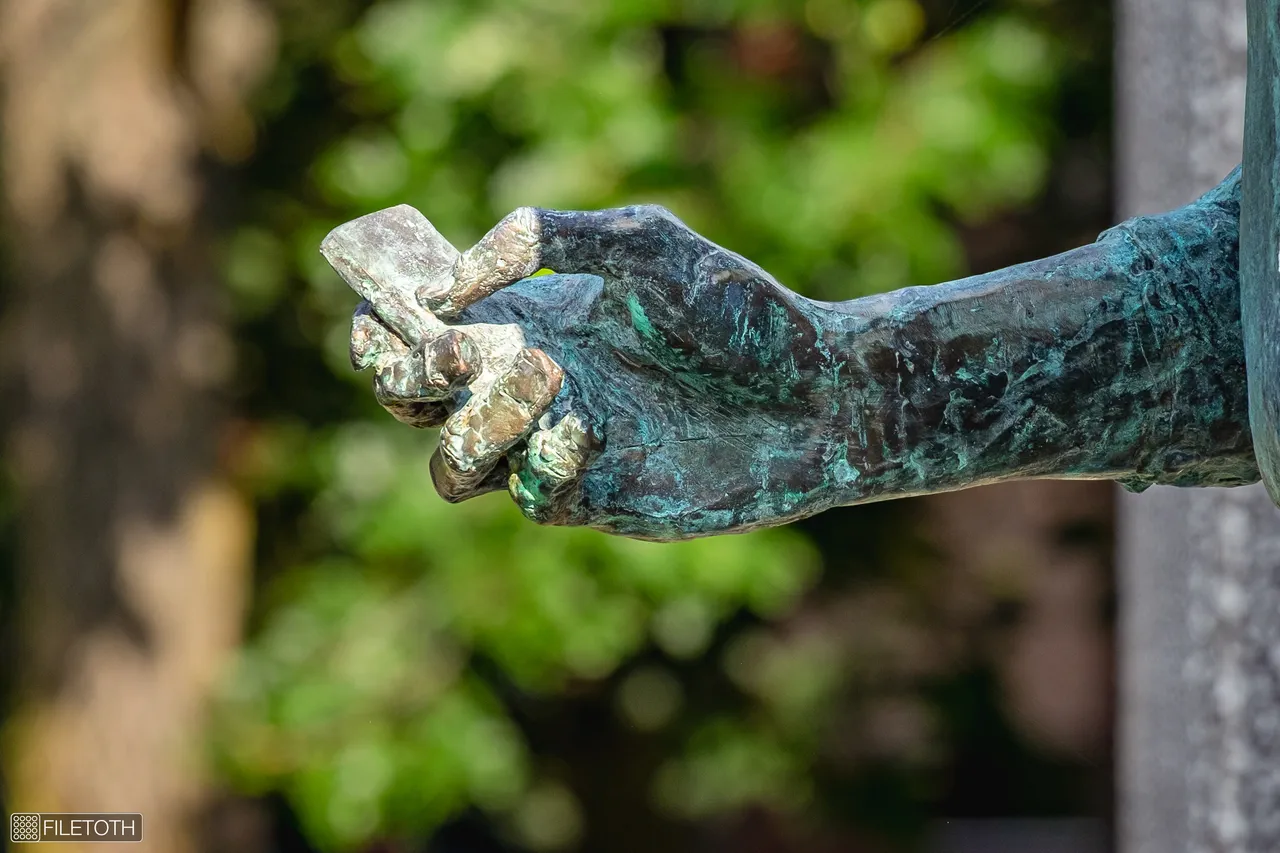
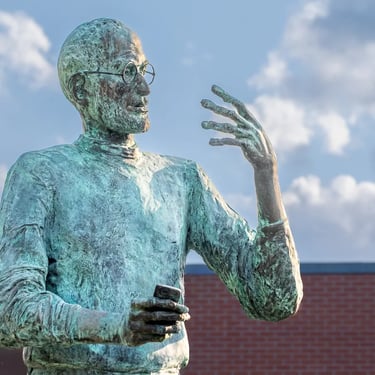
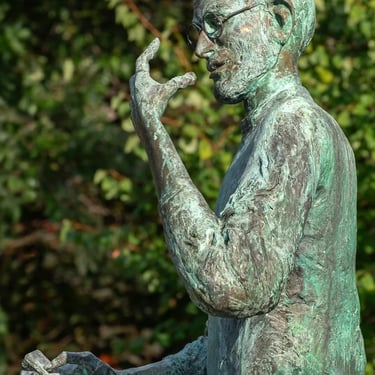
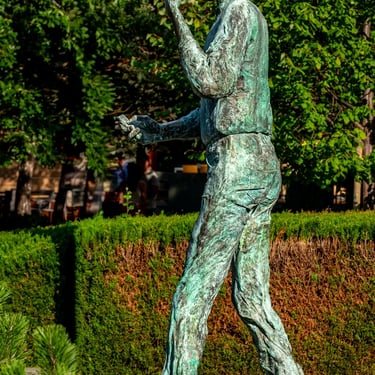
The hand of innovation
Steve Jobs statue
Steve Jobs (1955–2011) was a visionary innovator and co-founder of Apple, known for launching groundbreaking products like the iPhone that revolutionized technology, design, and usability standards. His relentless pursuit of innovation and excellence made him one of the most influential figures of the digital era, leaving a legacy that continues to inspire innovators worldwide. Statute by Ernő Tóth, December 21, 2011. [15]


Location (Google Maps)
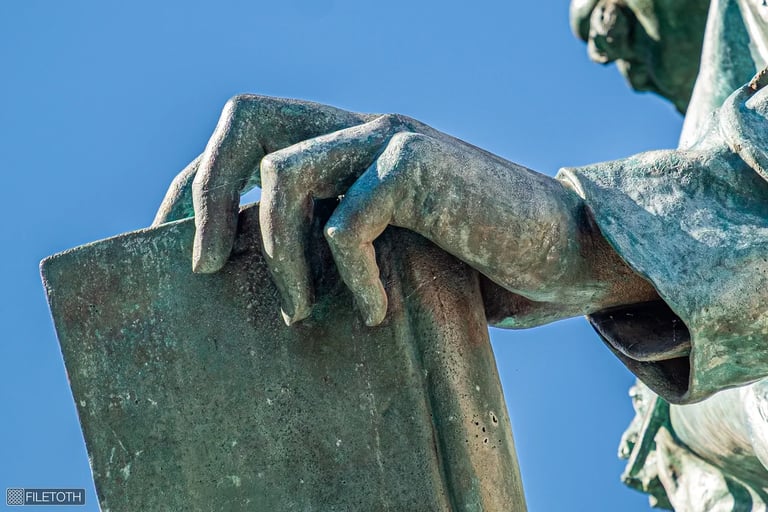
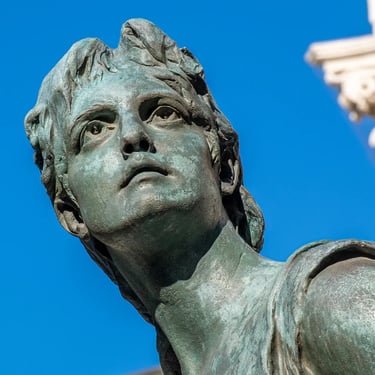
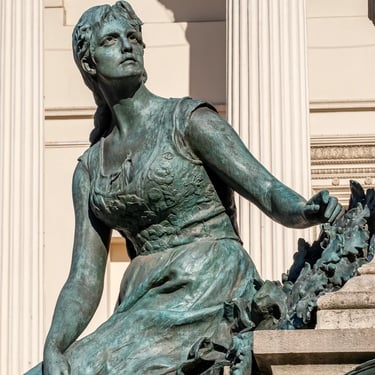
The hand of poetry
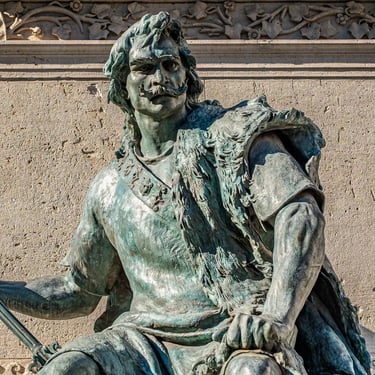
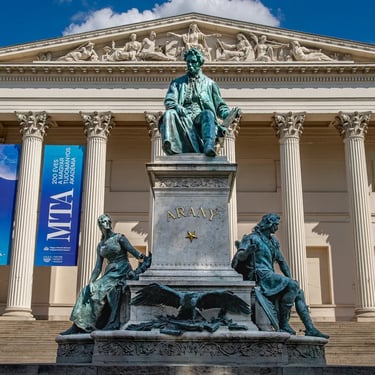
János Arany statue
János Arany (1817–1882) was an epic poet and a master storyteller. He elevated Hungarian literature through his profound narrative poems and more than a hundred ballads, rich in folklore and psychological insight. His famous Toldi trilogy, along with “The Bards of Wales,” weaves historical themes and national identity into verse, while developing complex characters and exploring morality and personal destiny. Statue by Alajos Strobl, May 21, 1893. [16]



Location (Google Maps)
The hand of history
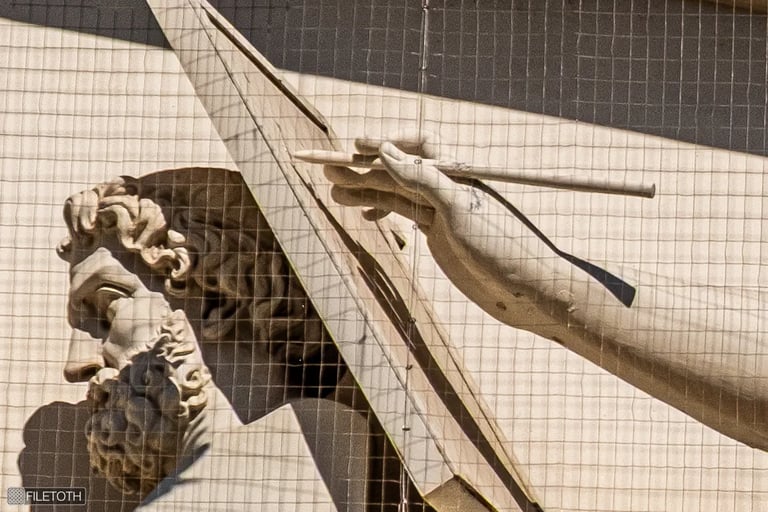
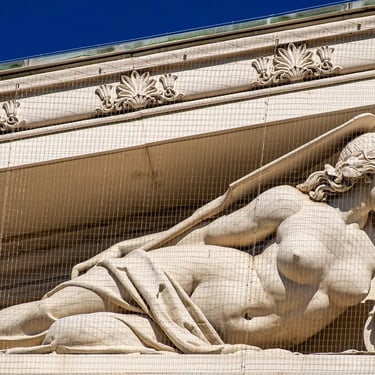
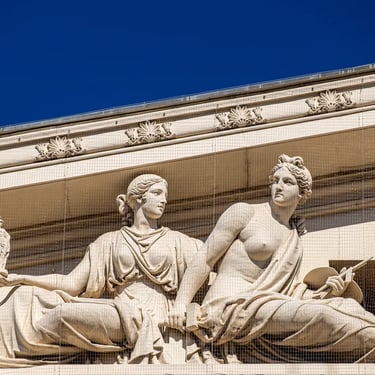
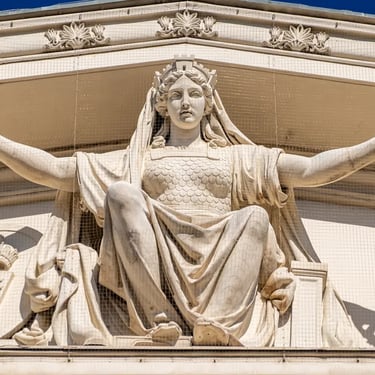
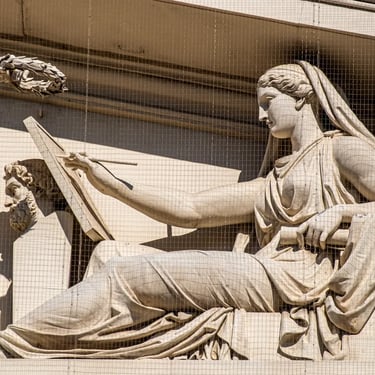
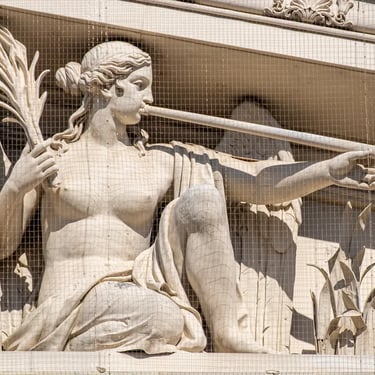
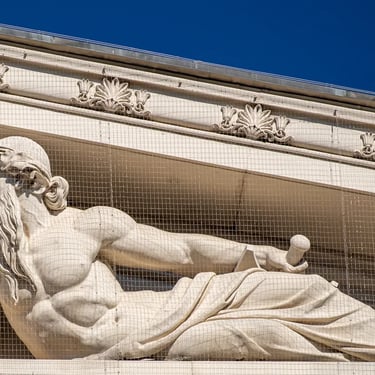
Statues in the pediment of the National Museum
From left to right, the seven figures are: Dráva, Art, Science, Pannonia, History, Fame, and the Danube. The two rivers symbolize Hungary, while the four abstract concepts represent the four great ideas of the first half of the 19th century. In the center, Pannonia holds laurel wreaths in her hands in two directions. The composition shows the harmonious blending of homeland and intellectual aspirations. Created by Rafael Monti and Ludwig Schaller, 1842. [17]

Location (Google Maps)
The hand of devotion
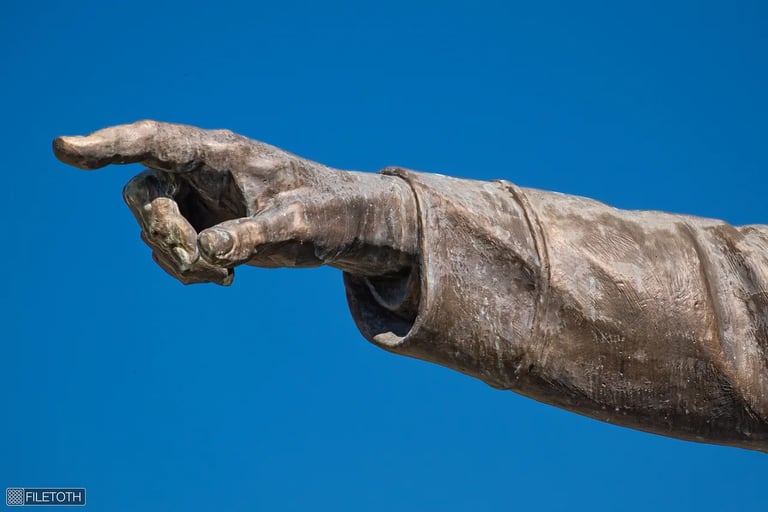
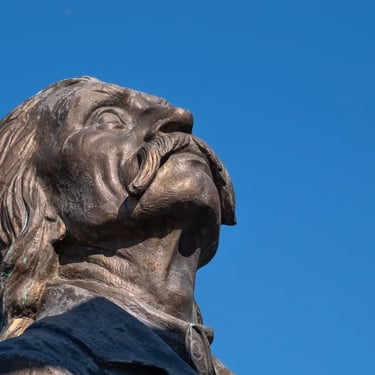
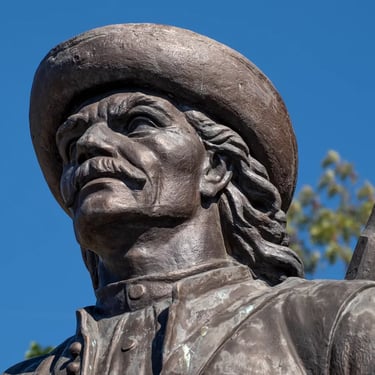
Lajos Kossuth statue
Lajos Kossuth (1802-1894) was a legendary leader and symbol of independence and patriotism in the 19th century. As a visionary statesman, journalist, and Governor-President, he motivated the nation’s fight for self-determination during the 1848–49 revolution against the Habsburg rulers. Statue by Zsigmond Kisfaludi Strobl, September 19, 1952. [18]




Location (Google Maps)
The hand of diplomacy
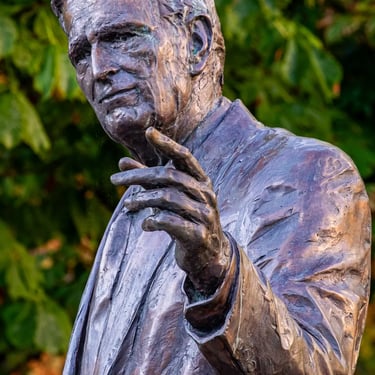
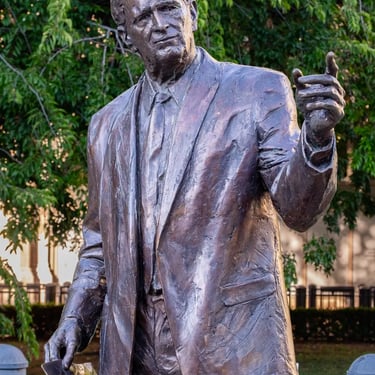
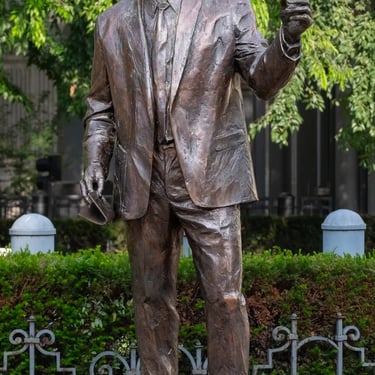
George H. W. Bush statue
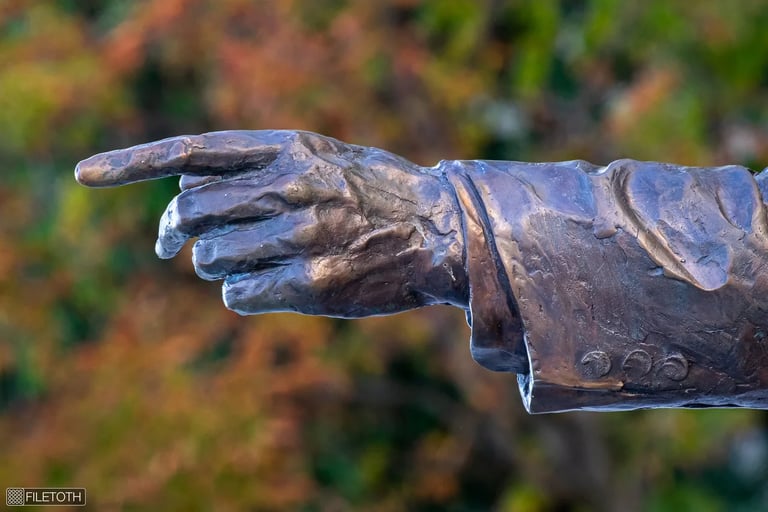
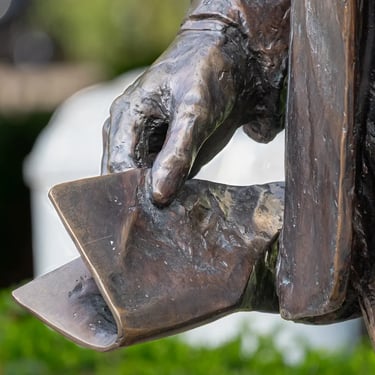
George Herbert Walker Bush (1924–2018) was a US president from 1989 to 1993. He was known for his steady diplomacy, overseeing the peaceful end of the Cold War and the reunification of Germany. In July 1989, he delivered a speech in the rain in Budapest, where he tore up his rain-soaked speech papers and spoke freely to the crowd. The statue depicts Bush holding papers in his right hand—perhaps the same ones he once tore up. Statue by István Máté, October 27, 2020. [19]

Location (Google Maps)
The hand of pain
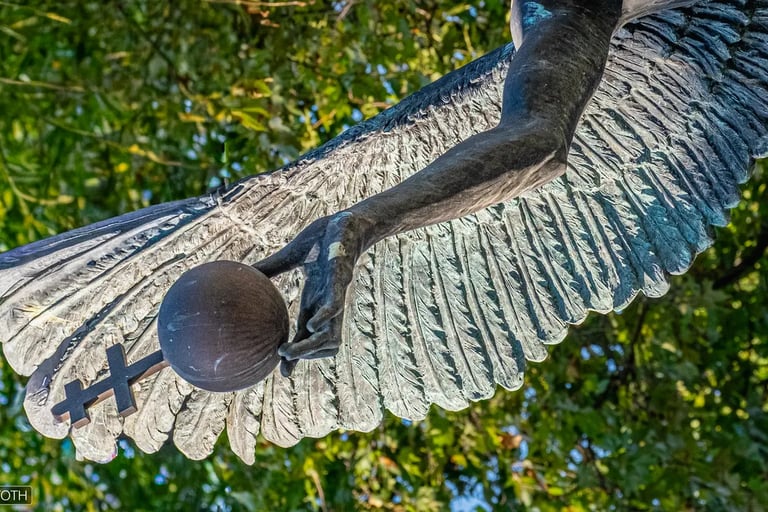
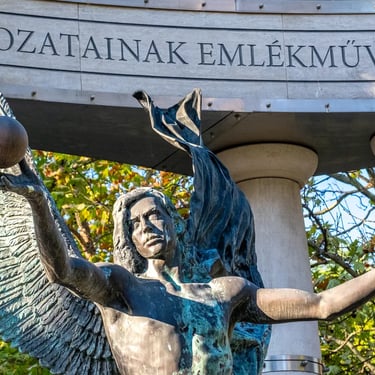
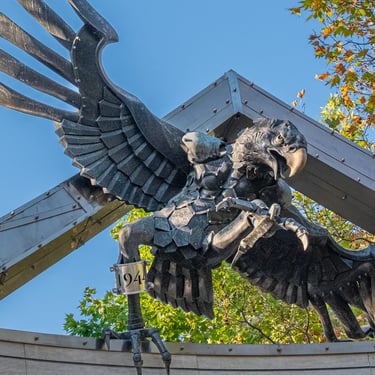
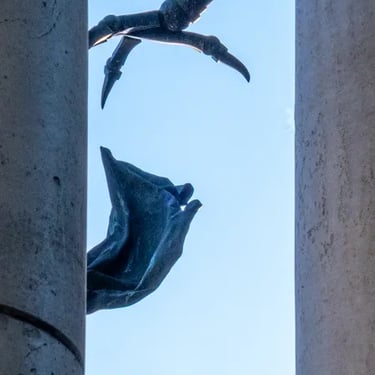
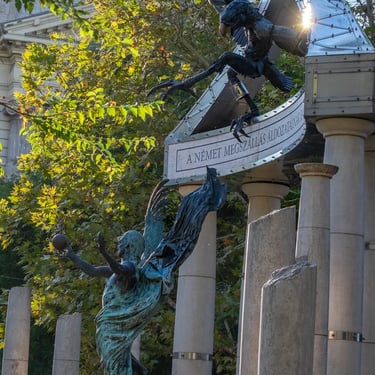
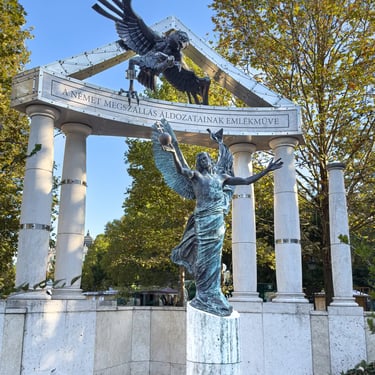
Memorial for the victims of the German occupation
According to the sculptor, the memorial was created to commemorate the German occupation on March 19, 1944. In the composition, the orb falling from Archangel Gabriel’s hand symbolizes the state, while the eagle descending from above represents the occupying power. The monument has never been officially unveiled and continues to generate controversy. It has inspired a range of interpretations regarding its symbolism, and some question the justification for its existence. Sculpture by Péter Párkányi Raab, July 20, 2014. [20]

Location (Google Maps)
The hand of sanctuary
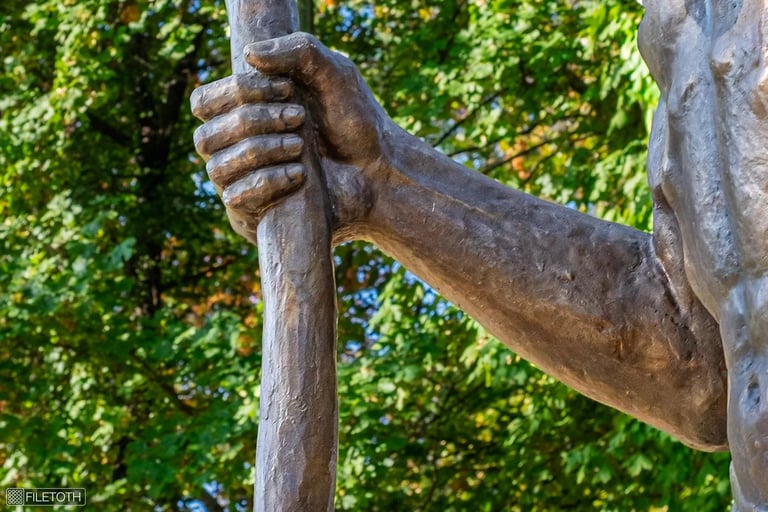
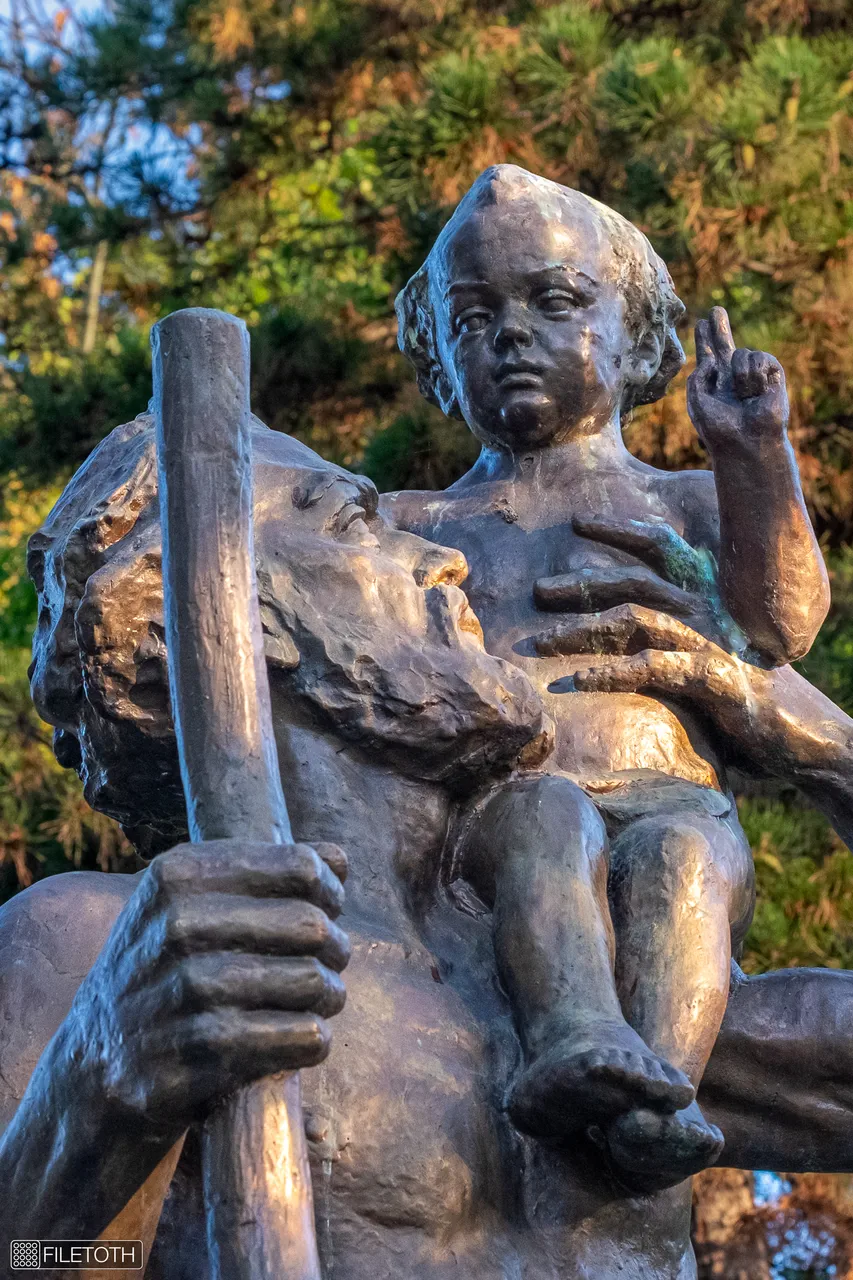
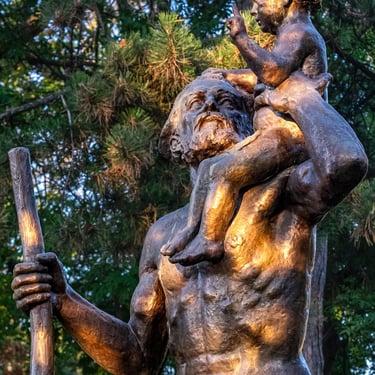
Saint Christopher statue
Saint Christopher is often seen as the patron saint of pilgrims and travelers. He dedicated his strength to helping people cross a dangerous river. One day, he carried a small child who became impossibly heavy and was later revealed to be Christ himself, carrying the weight of the world. His story represents faith, protection, sanctuary, and humility in service to others, inspiring devotion across many centuries and cultures. Sculpture by Sándor Oláh and János Lestyán-Goda, 1941, and June 15. [21]


Location (Google Maps)
The hand of humor
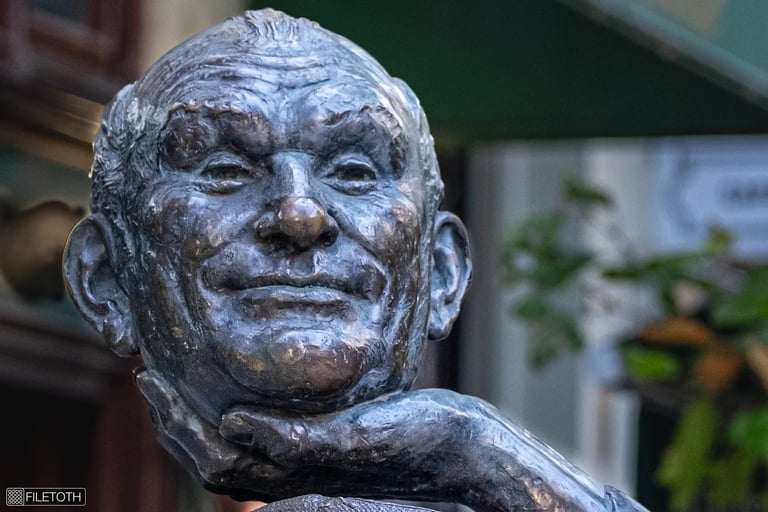
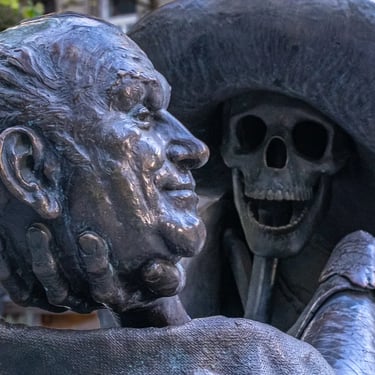
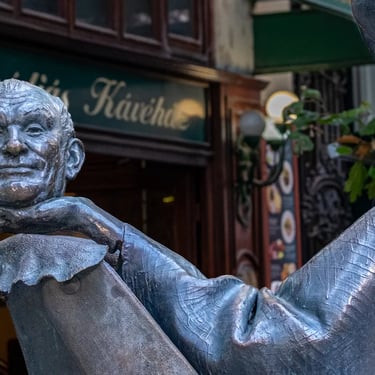
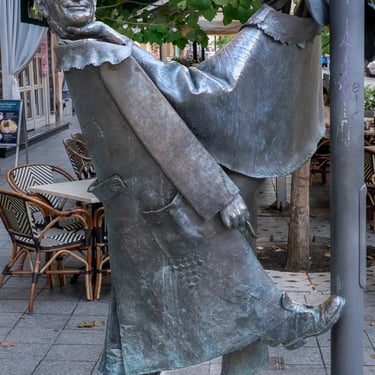
Géza Hofi statue
Hofi Géza (1936–2002) was an uninhibited and outspoken actor, but he was never hot-tempered or hateful. He fought against stupidity, hypocrisy, arrogance, pretentiousness, and lies with good humor, loud laughter, and, at times, biting wit. The complex intertwining and blending of comedy and tragedy was Hofi's greatest secret. Statue by Géza Stremeny, December 28, 2004. [22]
Location (Google Maps)
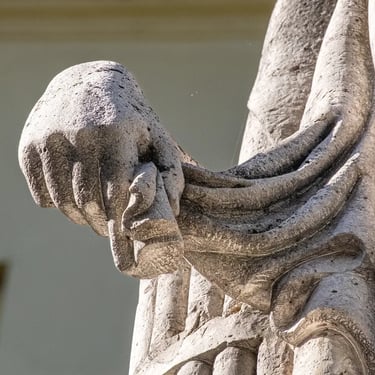
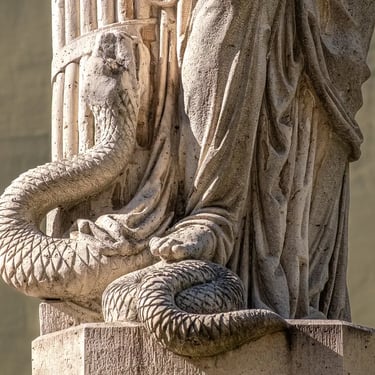
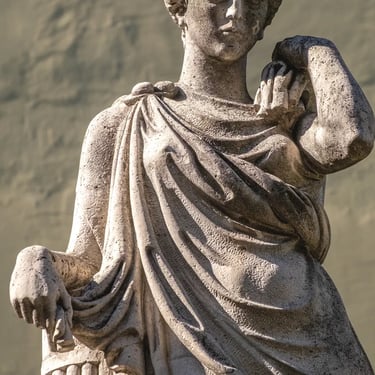
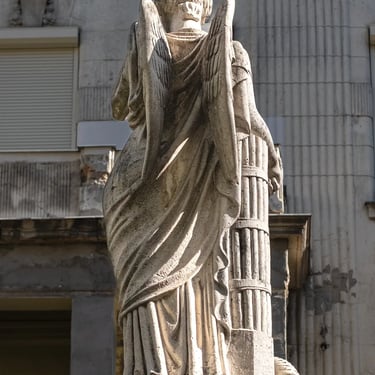
The hand of peace
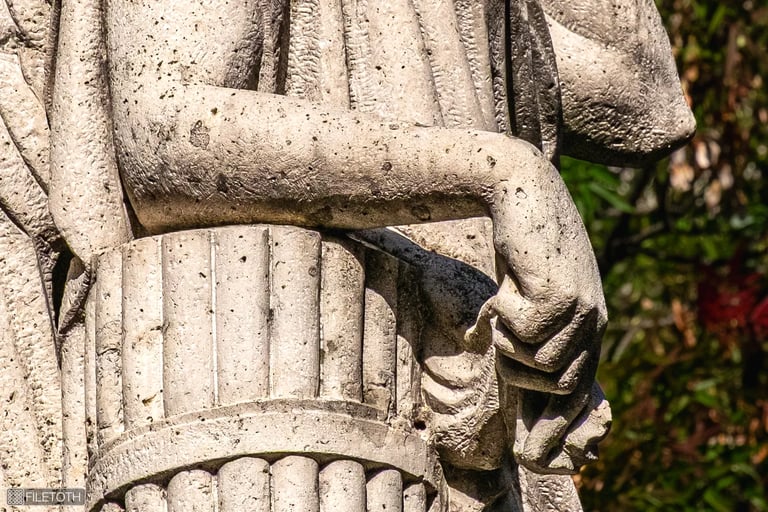
Peace fountain
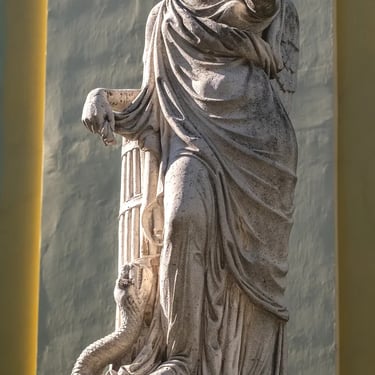
The statue atop the Peace Fountain is a replica of Antonio Canova's well-known “La Pace” sculpture, which draws iconographic inspiration from Nemesis, the Greek goddess of justice. Celebrated for its artistic beauty and symbolic significance, the statue serves as a poignant reminder of the enduring importance of peace, even in the midst of conflict. Statue by Mihály Bauer, 1805. [23]

Location (Google Maps)
The hand of revival
Péter Pázmány statue
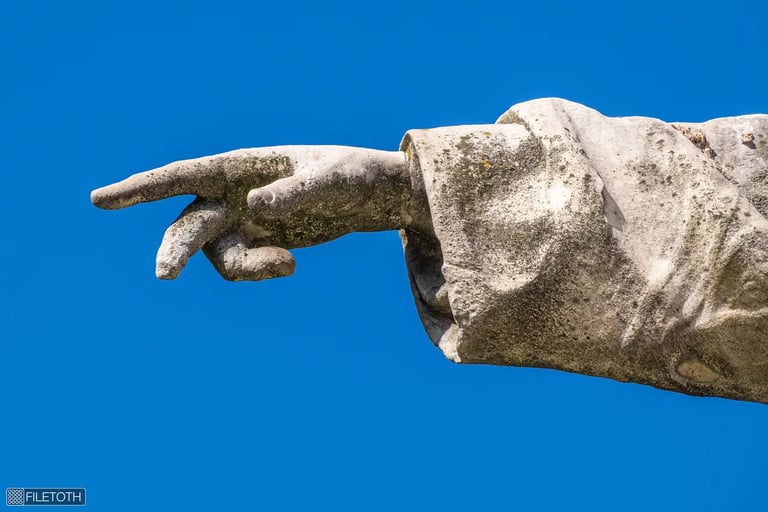
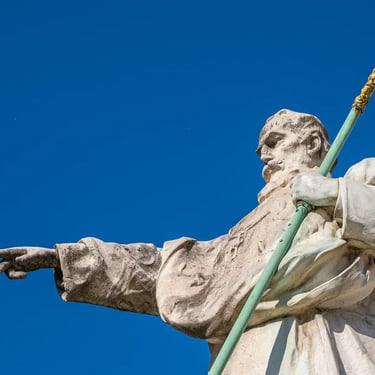
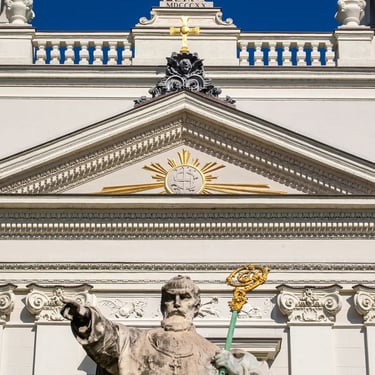
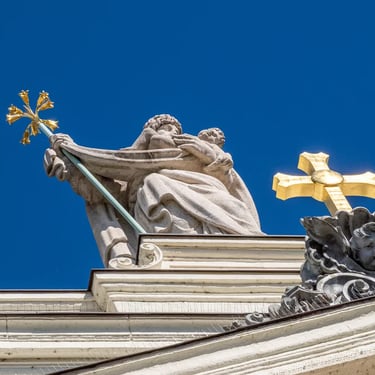
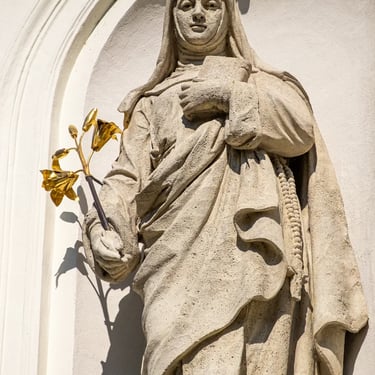
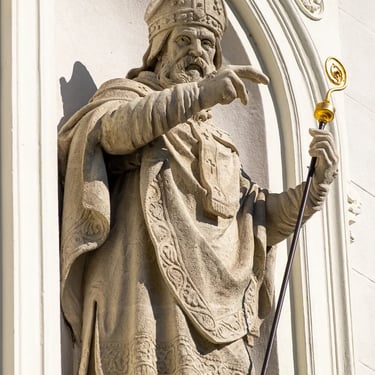
Péter Pázmány (1570–1637) was a Hungarian Jesuit cardinal, philosopher, and statesman who played a key role in reviving the Catholic Counter-Reformation in Hungary. He notably revitalized the Hungarian language and established important educational and ecclesiastical institutions. Statue by Béla Radnai, August 19, 1914. [24]

Location (Google Maps)
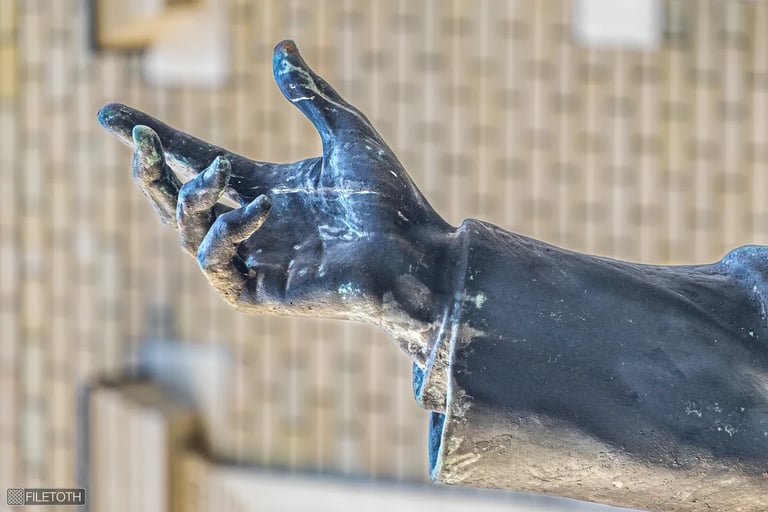
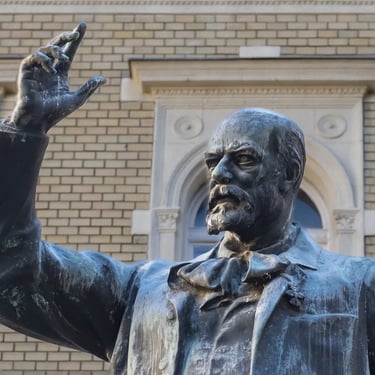
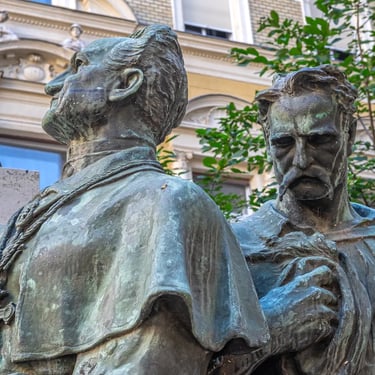
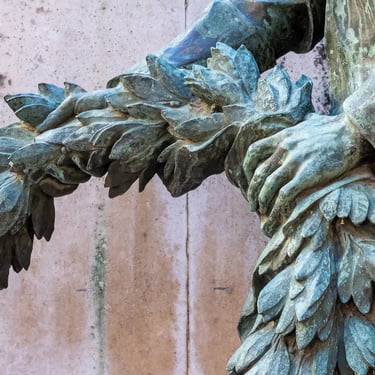
The hand of notion
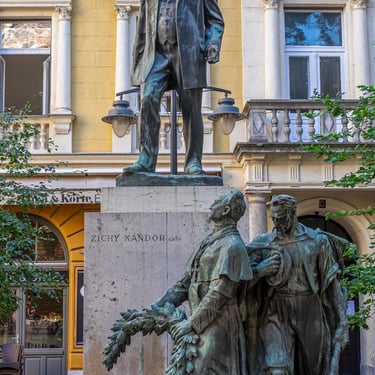
Nándor Zichy statue
The statue of Count Nándor Zichy (1829–1911) honors the notable Hungarian statesman, founder, and leader of the Catholic People’s Party. It features two accompanying figures: Abbot János Molnár, symbolizing Zichy’s political legacy, and a peasant representing the People’s Party, who bows with his flag before the leader. The statue was created by Antal Orbán on November 16, 1930. [25]

Location (Google Maps)
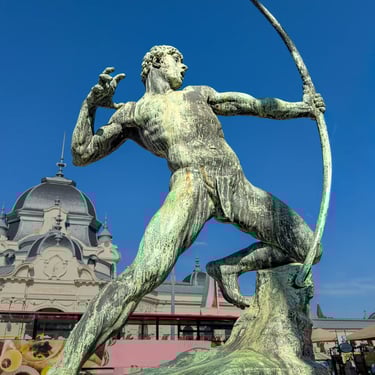
The hand of vigor
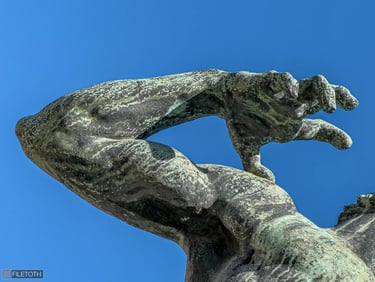
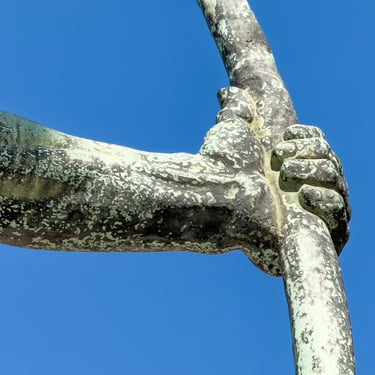
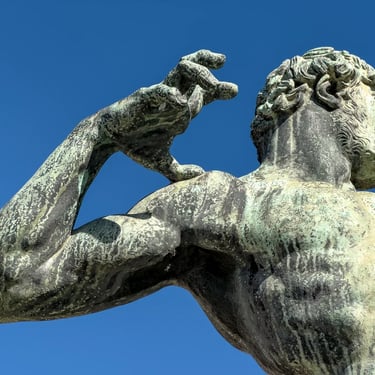
Archer statue
The "Archer" exhibits technical skill and artistic elegance, reflecting cultural memory and the aspirations of the 1920s. Characterized by its dynamic shape and detailed anatomy, the bronze statue captures the tense moment as the archer prepares to shoot his arrow, embodying ideals of precision, strength, and vitality. Statue by Zsigmond Kisfaludy Strobly, 1925. [26]

Location (Google Maps)
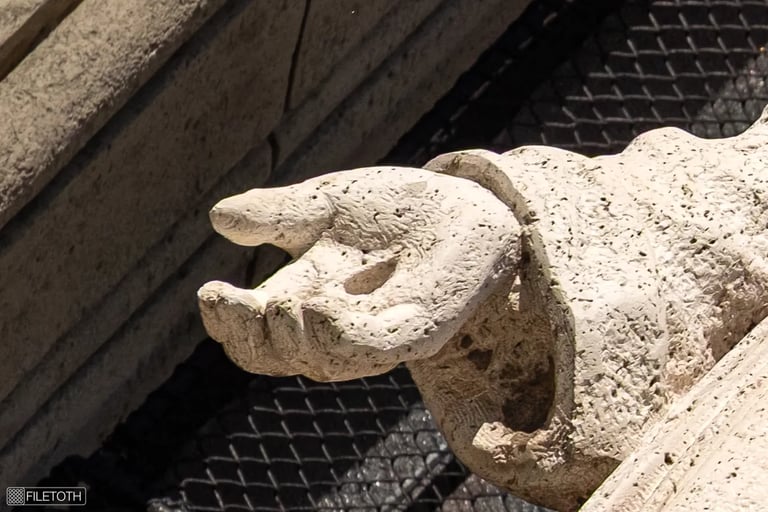
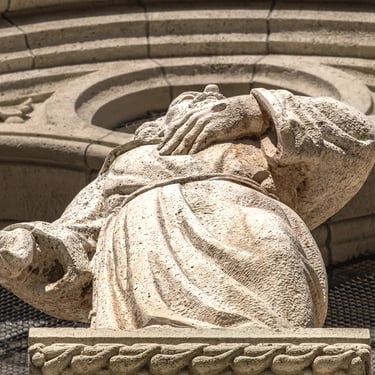
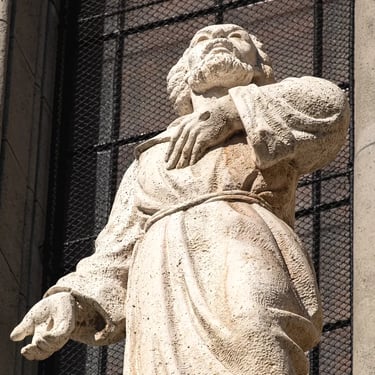
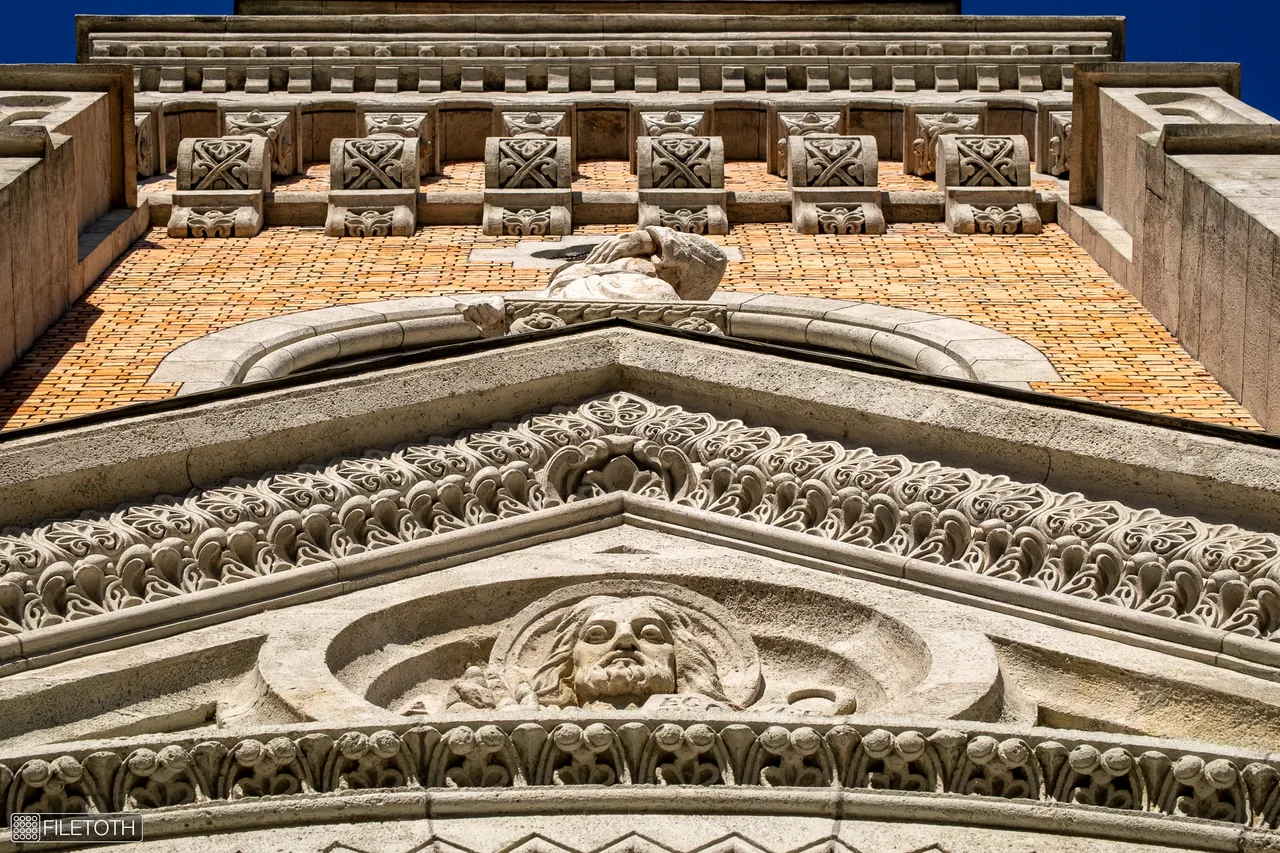
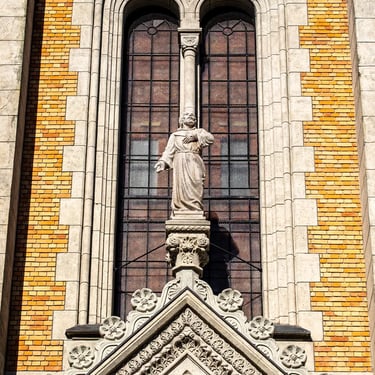
The hand of passion
Saint Francis of Assisi statue
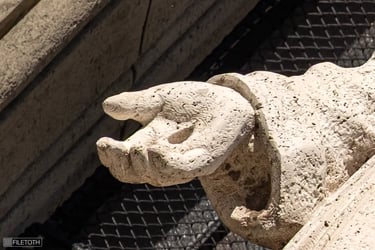
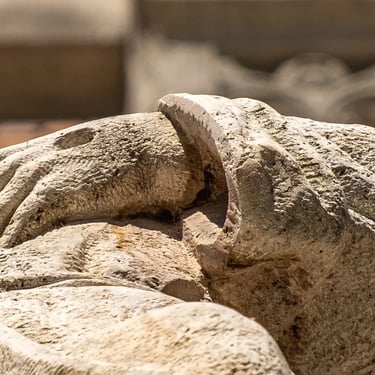
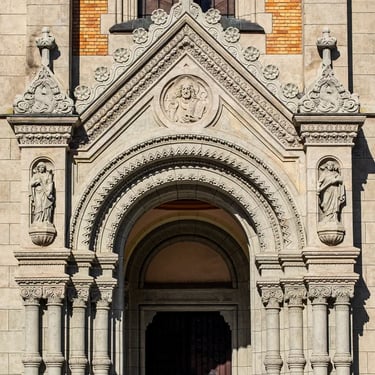
This statue of St. Francis of Assisi (1182–1226) powerfully illustrates his mystical devotion, as his hand—referred to as "the hand of passion"—bears the stigmata, the sacred wounds that reflect those of Christ’s crucifixion. It is located on the main façade of the church on Bakáts tér, which bears his name. Statue by Gyula Szász, 1879. [27]
Location (Google Maps)
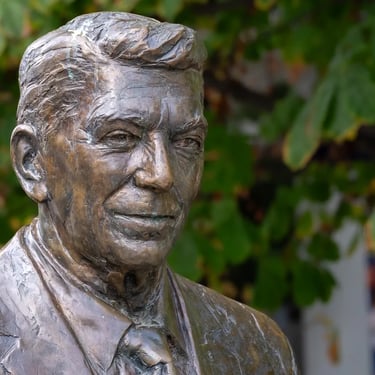
The hand of leaderhip
Ronald Reagan statue
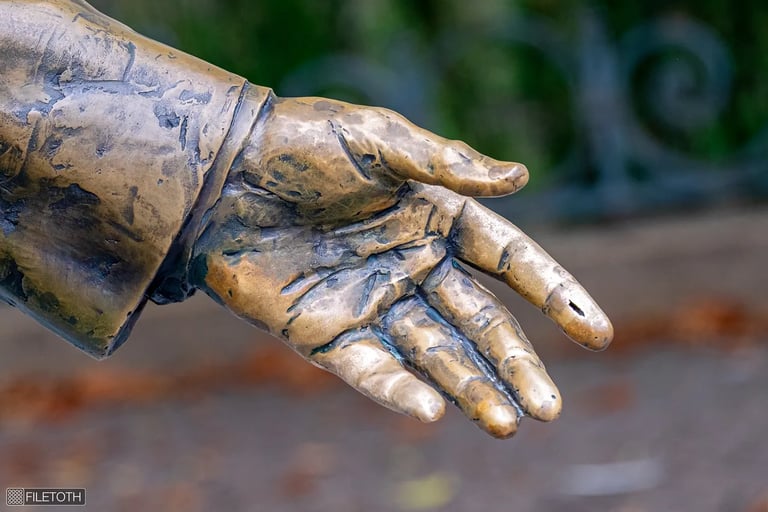
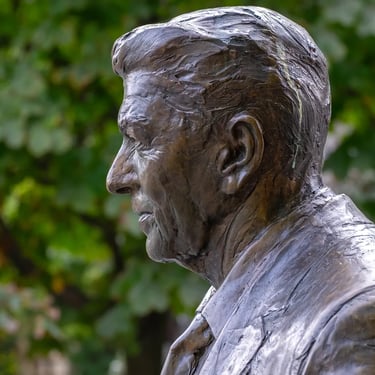
Ronald Reagan served as U.S. president from 1981 to 1989. His leadership and conservative vision reshaped American politics. Reagan played a key role in ending the Cold War, introduced significant tax cuts, took a firm stance against labor strikes, revitalized the U.S. military, and launched the Strategic Defense Initiative. Statue by István Máté, June 29, 2011. [28]

Location (Google Maps)
[1] 'Saint Barbara'
[3] 'Spring Statue'
[5] 'Anonymous'
[6] 'Gymnasts'
[7] 'Attila József'
[8] 'Merry-Go-Round'
[9] 'Hilda Gobbi'
[10] 'Sir Georg Solti'
Reference
[12] 'The Buddha'
[13] 'Franc Liszt'
[14] 'TUB'
[15] 'Steve Jobs'
[16] 'János Arany'
[17] 'National Museum'
[18] 'Lajos Kossuth'
[19] 'George H. W. Bush'
[21] 'Saint Christopher'
[22] 'Géza Hofi'
[23] 'Antonio Canova'
[24] 'Péter Pázmány'
[25] 'Nándor Zichy'
[27] 'Bakáts tér church'
[28] 'Ronald Reagan'
[**] 'Köztérkép (hu)'