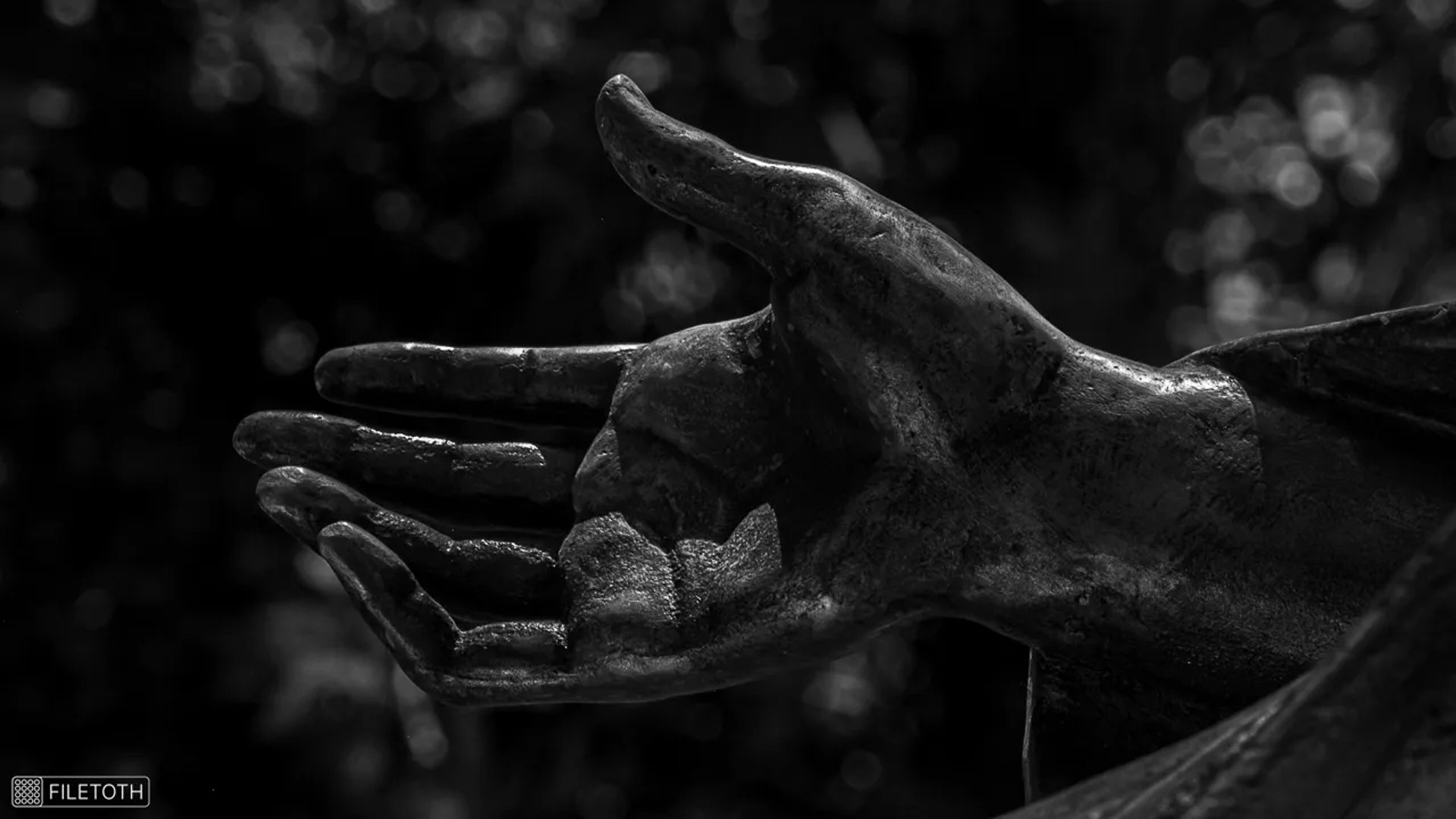
Hands dedicated to a cause.
DEVOTION
Faith, service, and sacrifice — gestures shaped by belief and commitment.
These statues reflect faith, conviction, service, and dedication to causes greater than the individual.
The hand of awareness
Historical figure and era
The Buddha (5th–4th century BCE) embodies wisdom, compassion, and inner peace, offering a path from suffering to awakening. Across many traditions, the lotus—rooted in mud yet blooming above the water—symbolizes the journey from confusion to clarity.
Creation and historical context
Nándor Wagner’s 2001 statue depicts the Buddha in a calm, meditative posture, with the lotus forming a quiet focal point beneath or beside the figure. Installed at the turn of the millennium, it introduces an Eastern spiritual presence into the urban landscape, inviting reflection amid everyday activity.
Situated among other figures in the Garden of Philosophy, Buddha’s calm hand and the lotus resonate with nearby representations of other major religious founders, to view awareness as one voice within a broader reflection on wisdom and coexistence.
Statue by Nándor Wagner, October 18, 2001. [12]
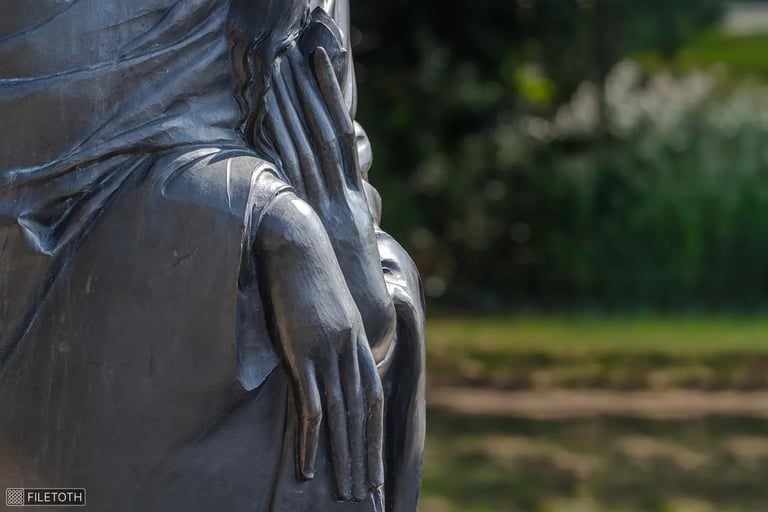
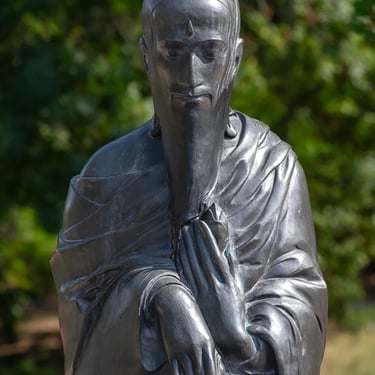
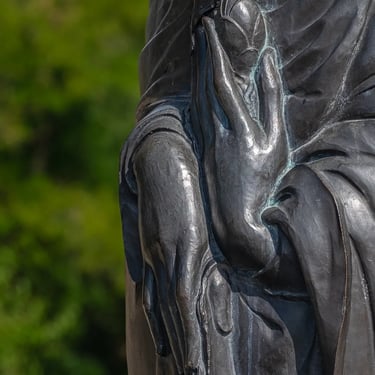
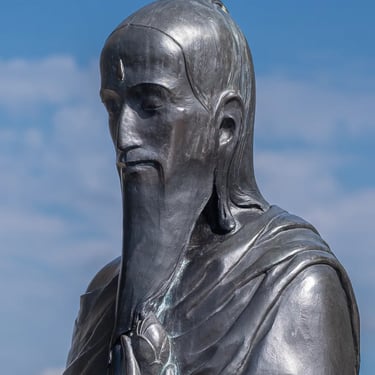
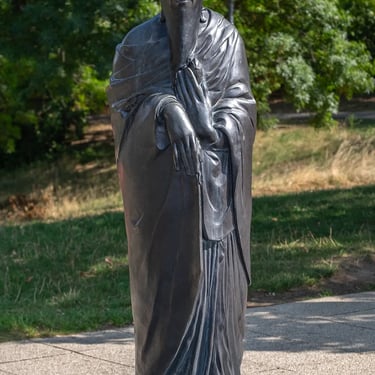
Buddha statue
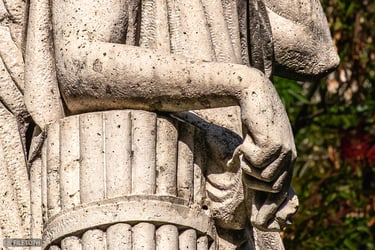
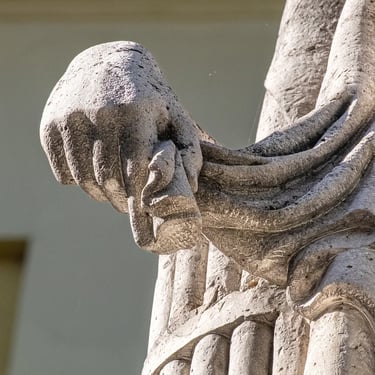
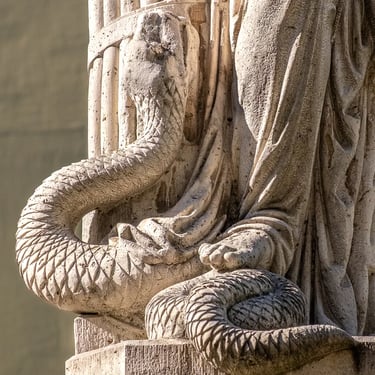
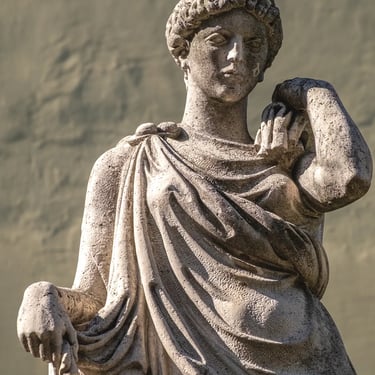
The hand of peace
Historical figure and era
The statue atop the Peace Fountain is a replica of Antonio Canova’s well‑known La Pace, which draws on the iconography of Nemesis, the Greek goddess of justice. In this form, peace appears not as passive stillness but as a balance between fairness and reconciliation.
Creation and historical context
Sculpted in 1805 by Mihály Bauer, the figure translates Canova’s neoclassical ideal into a local context, blending an international artistic language with the city’s aspirations. Positioned high above the fountain (also known as the Lion fountain), it crowns the fountain’s movement with a calm, vertical accent. Seen against the sky, the raised hand offers a persistent reminder of the value of peace, even when conflict dominates public discourse.
Sculpture by Mihály Bauer, 1805. [23]
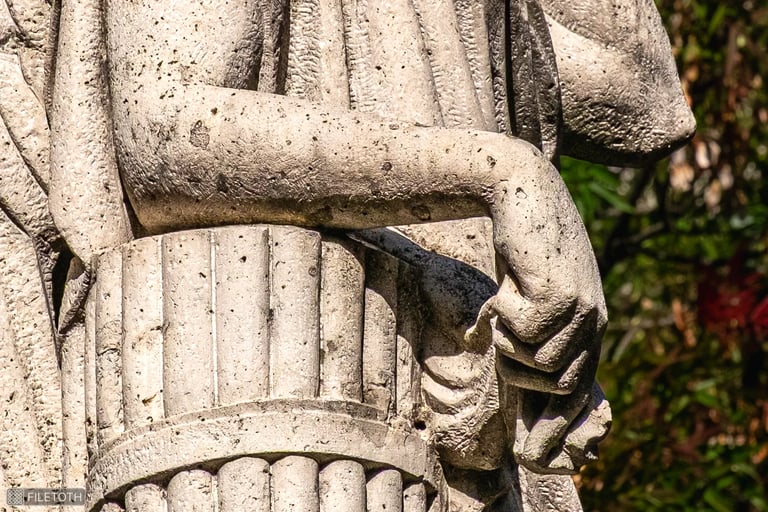
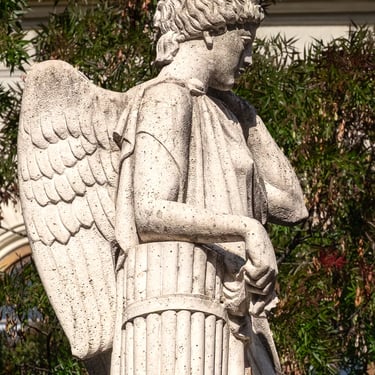
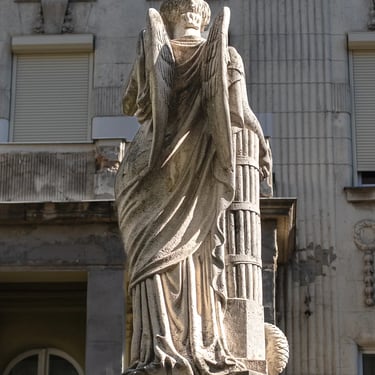
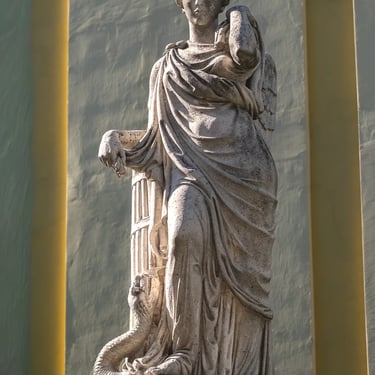
Peace fountain
The hand of brotherhood
Historical figure and era
Saint Francis of Assisi (1181–1226) is remembered as the son of a wealthy merchant who renounced privilege to live in radical poverty, preaching peace, humility, and closeness to all creatures. His life and the Franciscan movement reshaped medieval Christianity’s view of creation, presenting animals, the poor, and outsiders not as marginal but as companions and brothers.
Creation and historical context
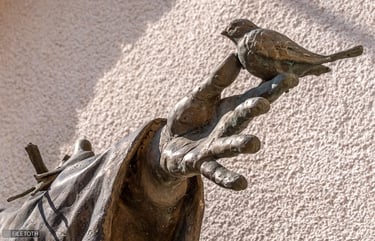
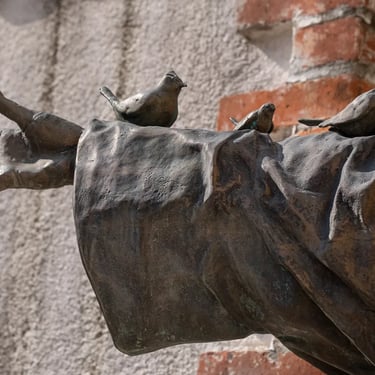
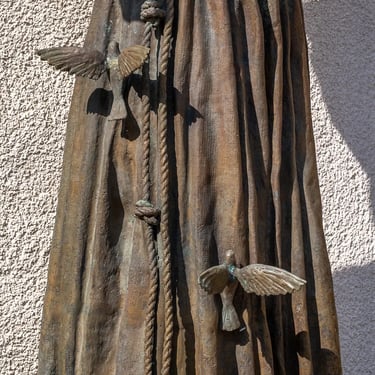
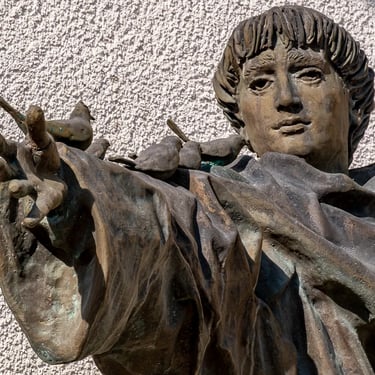
Sándor Kligl’s 2001 statue translates this vision into a light, almost floating figure surrounded by birds that perch on Francis’s arms and gather around his robe, so that the saint and the flock form a single, continuous silhouette. The outstretched hands, full yet still open, suggest both blessing and mutual trust at a moment when post‑1990 Hungary was renegotiating how religious symbols and public art could speak in a newly plural, democratic space. Standing before the Budapesti Szent Ferenc Kórház, the statue echoes Francis’s care for the sick, greeting patients and staff with a quiet gesture of solidarity.
Statue by Sándor Kligl, 2001. [4]
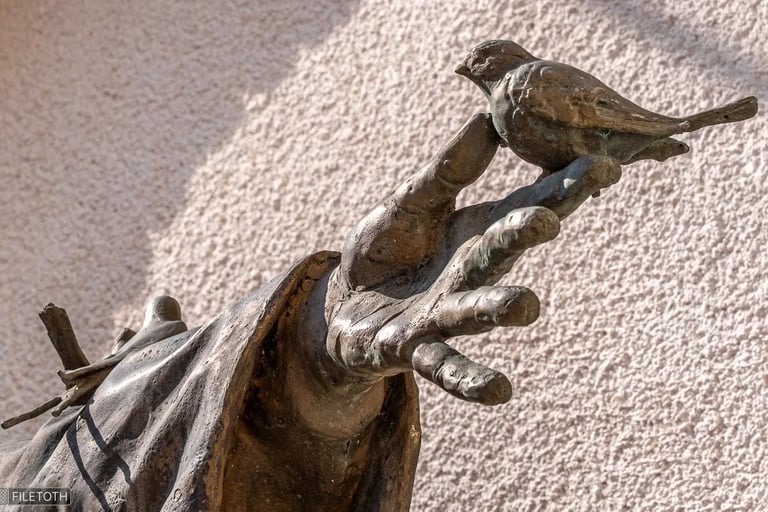
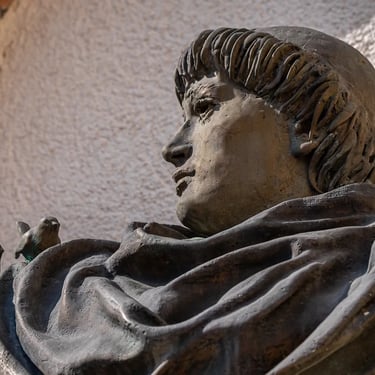
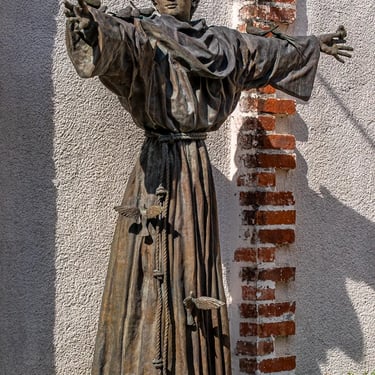
Saint Francis statue
The hand of passion
Historical figure and era
This statue of Saint Francis of Assisi (1182–1226) emphasizes his mystical devotion and closeness to Christ. His hand—known as “the hand of passion”—bears the stigmata, the sacred wounds that mirror those of the crucifixion.
Creation and historical context
Located on the main façade of the church on Bakáts tér that bears his name, the work integrates Francis into the neighborhood’s everyday street view. Gyula Szász’s 1879 sculpture places the saint within the church’s architectural rhythm, combining a devotional image with urban ornament. The marked hand invites contemplation of suffering embraced as a path to compassion.
Statue by Gyula Szász, 1879. [27]
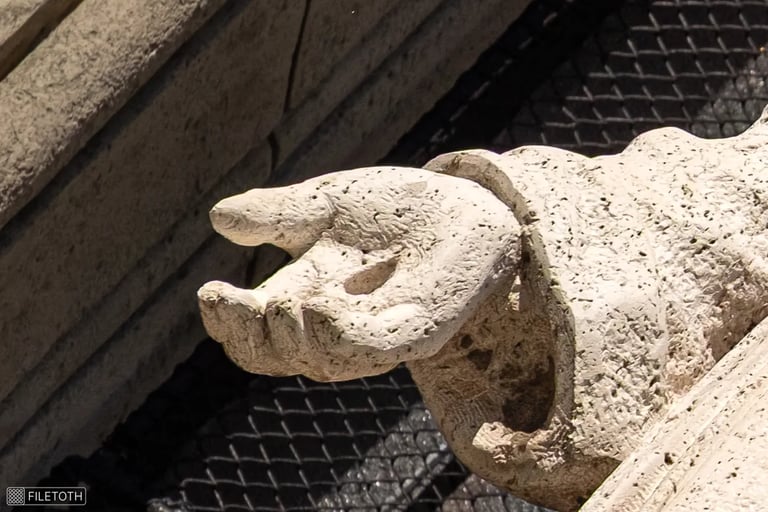
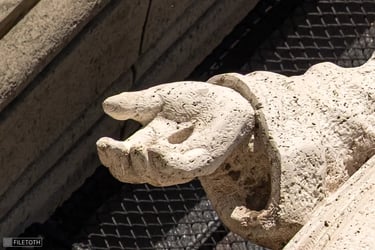
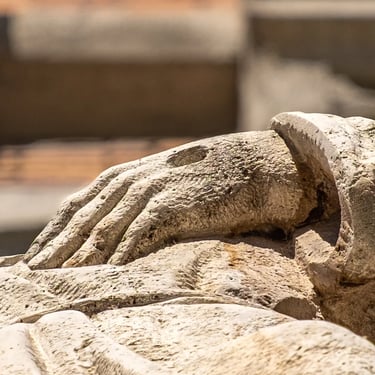
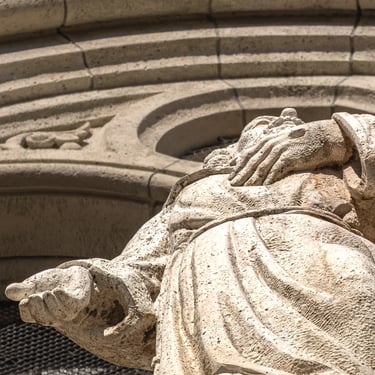
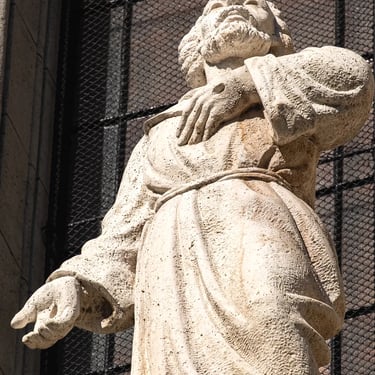
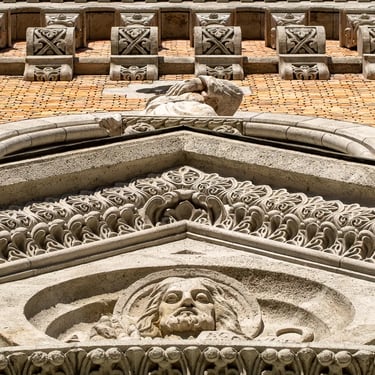
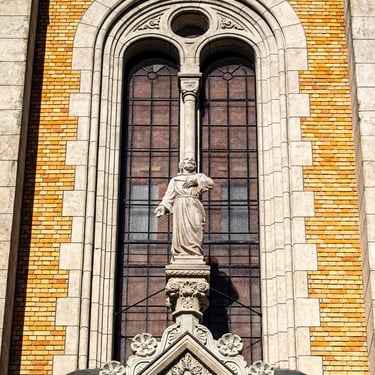
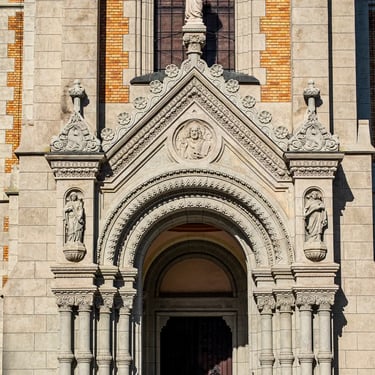
Saint Francis of Assisi statue
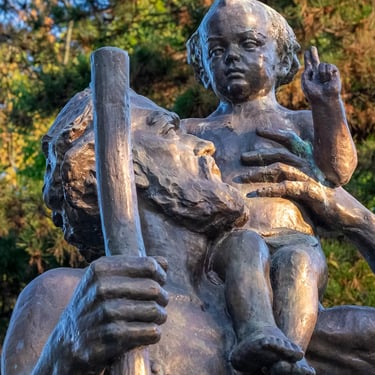
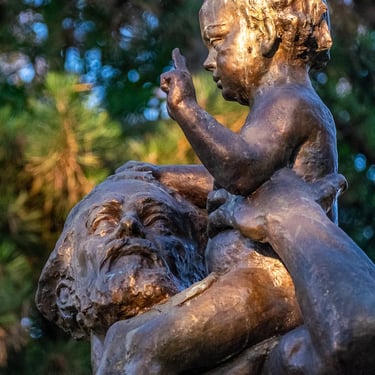
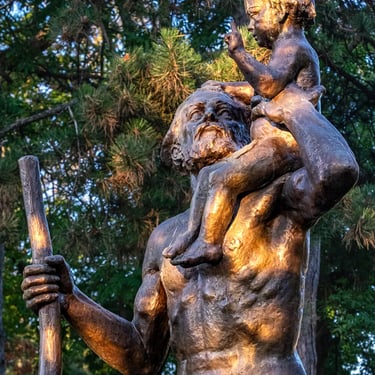
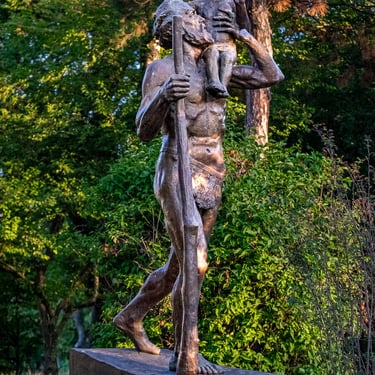
The hand of sanctuary
Historical figure and era
Saint Christopher is widely revered as a patron of pilgrims and travelers. According to legend, he dedicated his strength to carrying people across a dangerous river until the small child he bore grew impossibly heavy and revealed himself as Christ, bearing the weight of the world.
Creation and historical context
The statue by Sándor Oláh and János Lestyán‑Goda depicts Christopher bearing his burden, emphasizing the protective embrace of his arms and hands. Created in 1941 and later complemented in June with additional work, it appeared during a decade marked by upheaval, when themes of refuge and safe passage resonated strongly. Christopher’s steady stance and sheltering gesture present sanctuary as an active, physical commitment to others.
Statue by Sándor Oláh and János Lestyán‑Goda, 1941, and June 15. [21]
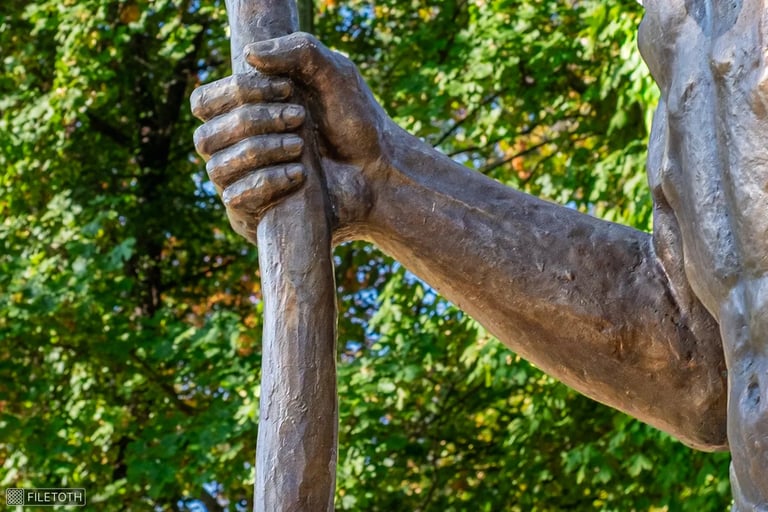
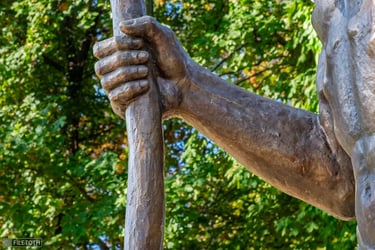
Saint Christopher statue
The hand of protection
Historical figure and era
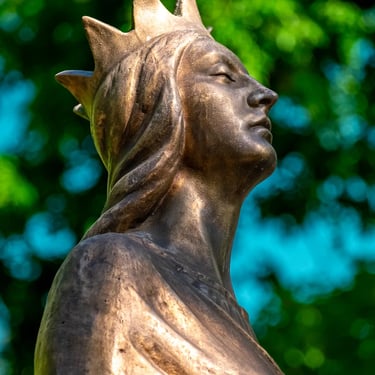
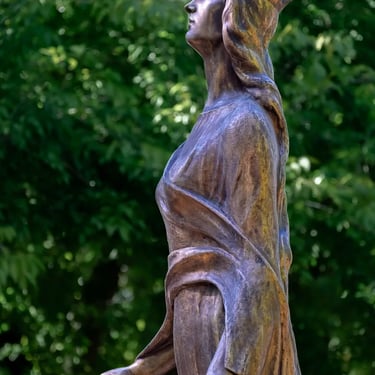
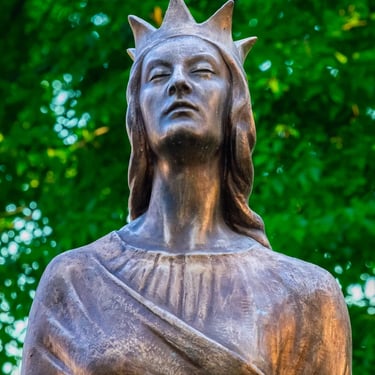
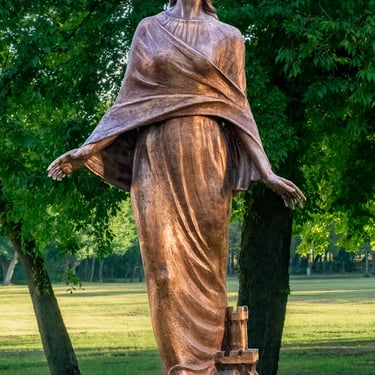
Saint Barbara is a legendary early Christian martyr who lived in the 3rd century and has long been revered as a protector against the dangers of gunpowder, artillery fire, and mining, as well as by architects, engineers, and builders. The statue conveys this protective role through a calm, watchful figure whose open hands suggest blessing and shelter rather than triumph.
Creation and historical context
Created in the tense years before the Second World War, the work spoke directly to soldiers and cadets who faced very real risks in training and in the field. Placed in an institutional setting, it linked daily professional discipline with an older Christian idea of intercession, implying that technical skill and spiritual protection belong together. Even as historical criticism has questioned Barbara’s literal biography, her image here preserves a cultural memory of danger, faith, and the hope of coming home safely.
Statue by Mihály Dabóczi, December 4, 1937. [1]
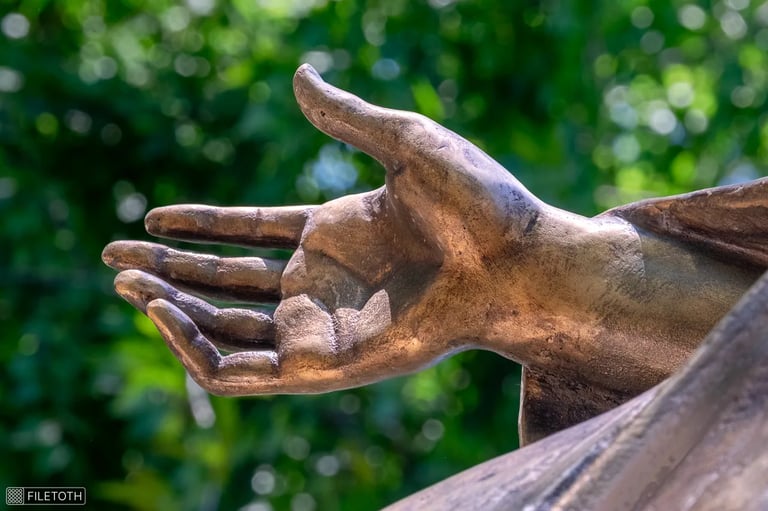
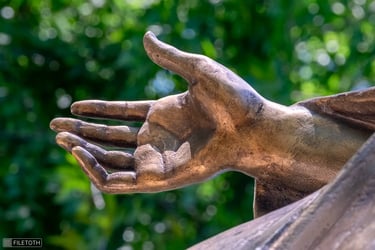
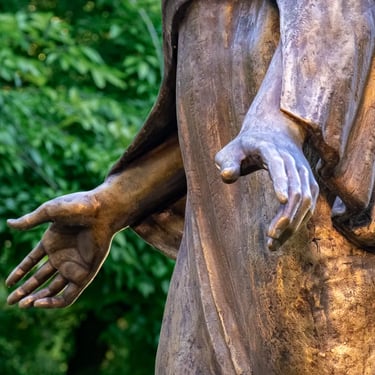
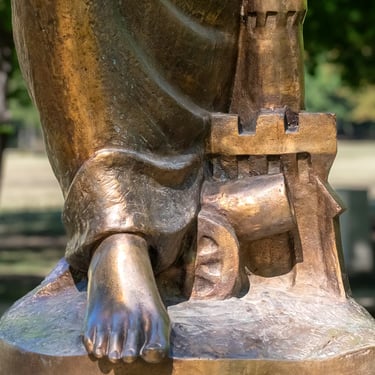
Saint Barbara statue
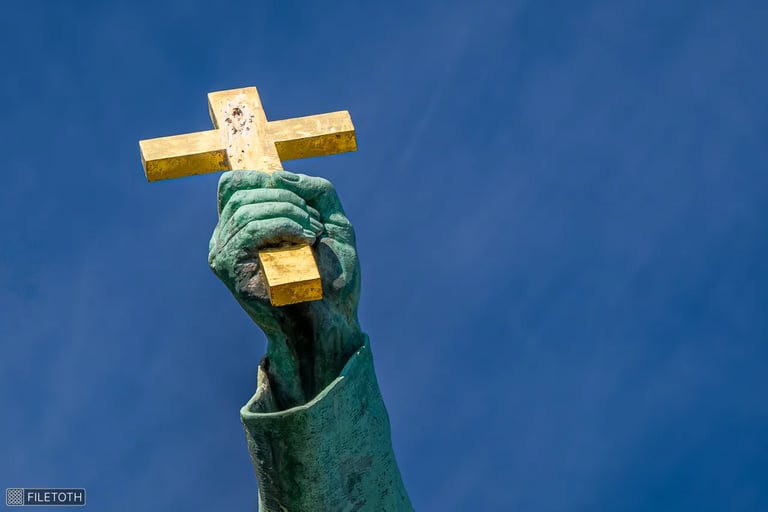
The hand of the missionary
Historical figure and era
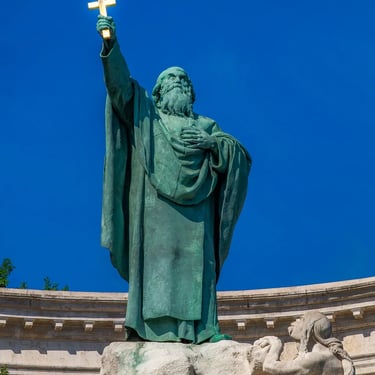
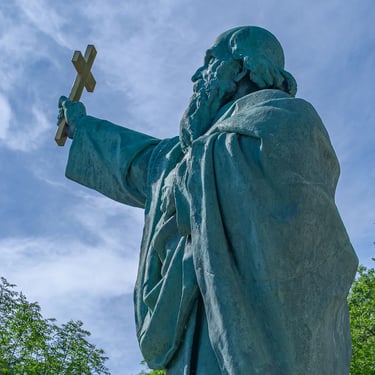
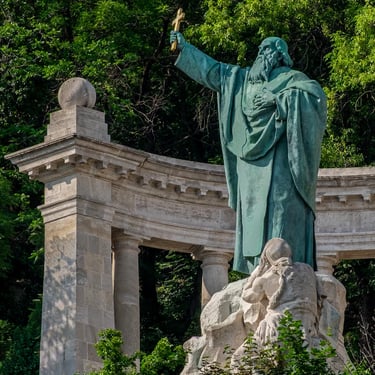
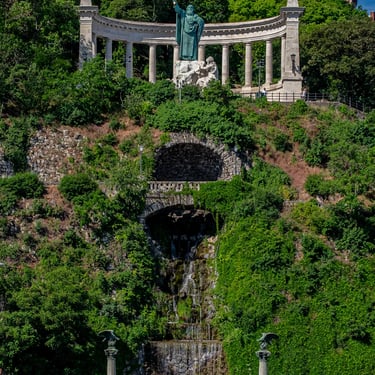
Saint Gerard (Gellért) (c. 980–1046) was a Benedictine monk and missionary bishop invited to the court of King Stephen I, where he became a leading figure in the Christianization of the early Hungarian kingdom. His martyrdom, traditionally believed to have occurred on Gellért Hill, where he was thrown into the Danube, links his cult directly to this site and to the struggles over faith and power in 11th-century Hungary.
Creation and historical context
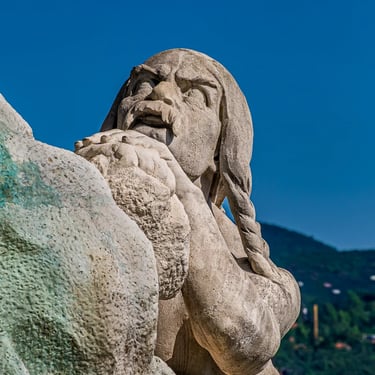
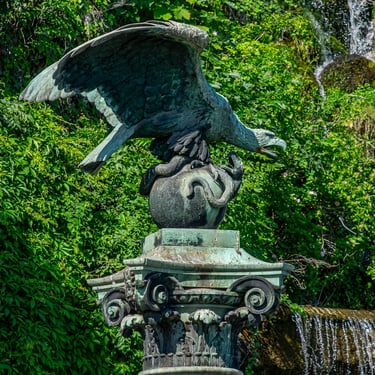
Designed by Gyula Jankovits and Aladár Gárdos, the monument was inaugurated in 1904, during the dual-monarchy era, when Budapest’s riverfront and monumental landscape were being reshaped. The statue and its colonnaded setting became associated with the story of Hungary’s Christian beginnings. Visitors encounter the missionary bishop above Elisabeth Bridge, framed by trees, rock, and the Danube below.
Statue by Gyula Jankovits and Aladár Gárdos, June 16, 1904. [29]
Saint Gerard statue
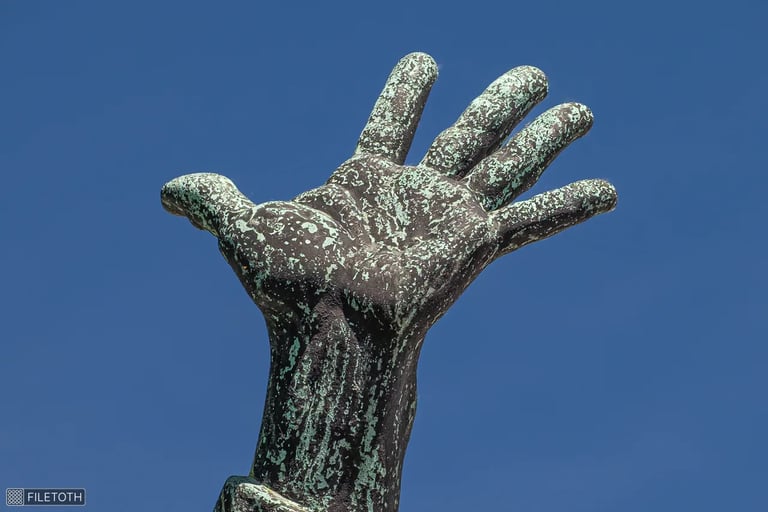
The hand of resolve
Historical figure and era
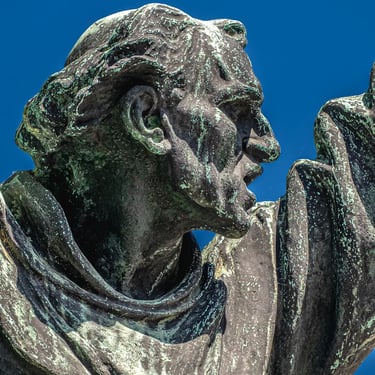
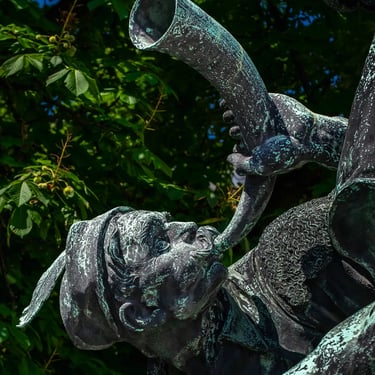
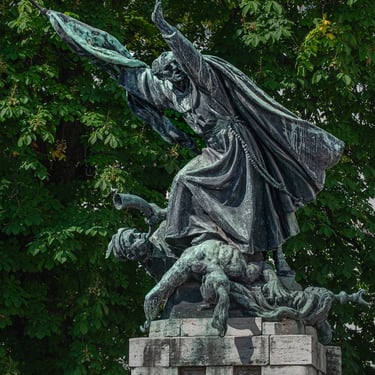
St. John of Capistrano (1386–1456) was a Franciscan friar and preacher who became a key spiritual leader for Christian forces defending Central Europe against the Ottoman Empire. In Hungarian memory, he is especially linked to the 1456 Battle of Nándorfehérvár (Belgrade), where he rallied crusaders and townspeople alike, channeling religious fervor into military resistance.
Creation and historical context
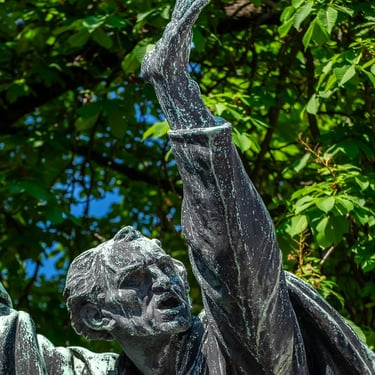
The statue of St. John of Capistrano was created in 1922, in the early Horthy era, when post-Trianon Hungary often turned to historical and religious figures to underscore narratives of defense and perseverance. The advancing saint, captured mid-step with a raised cross and a forward-pointing gesture, reflects an interwar desire to view past victories as models of spiritual resolve and national will. The figure of St. John of Capistrano stands as a compressed image of movement and exhortation, more dynamic than contemplative.
Statue by József Damkó, November 19, 1922. [43]
St. John of Capistrano statue
The hand of deliverance
Historical figure and era
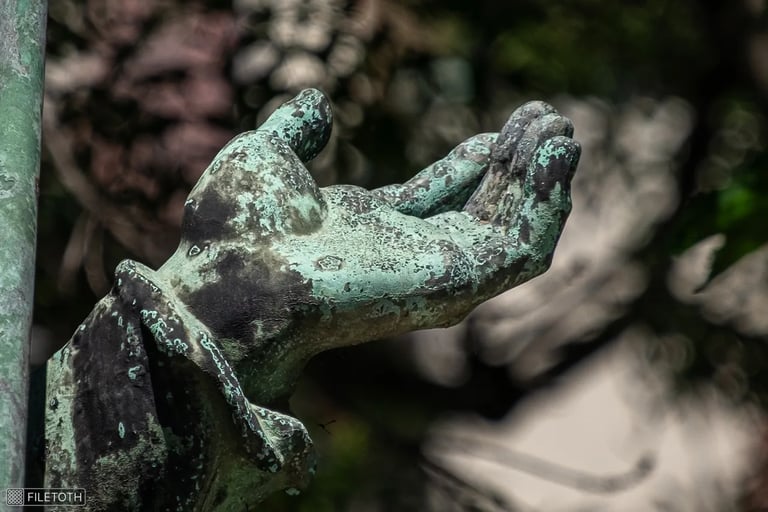
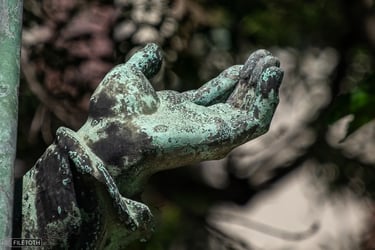
Pope Innocent XI (1611–1689) led the Catholic Church during a period of political and military conflict in Europe. In Hungarian historical memory, he is especially remembered for supporting the Holy League, the alliance that helped recapture Buda in 1686 after nearly 150 years of Ottoman rule. Although he never visited Hungary, his diplomatic and financial support earned him a lasting place in Hungary's liberation story.
Creation and historical context
József Damkó's monument was unveiled on October 5, 1936, during commemorations marking the 250th anniversary of the recapture of Buda. The statue honors Innocent XI's support for the campaign that ended Ottoman rule in central Hungary. Depicted in papal attire, with a cross in one hand and the other raised in blessing, the figure combines spiritual authority with historical remembrance. Viewed up close, the raised hand appears calm and open rather than commanding. The gesture suggests protection and support rather than direct action.
Statue by József Damkó, October 5, 1936. [57]
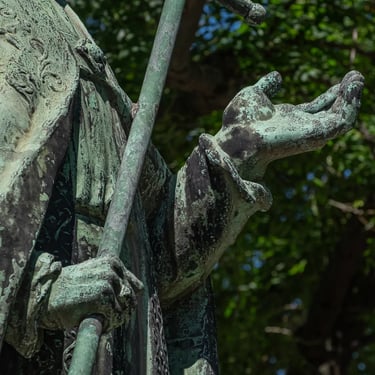
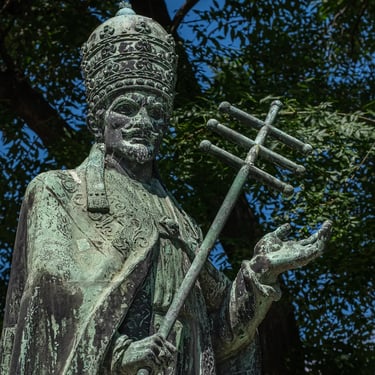
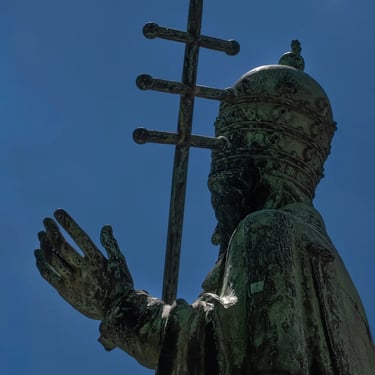
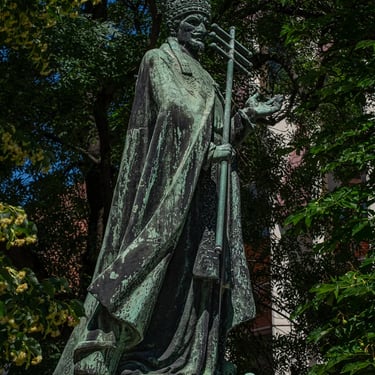
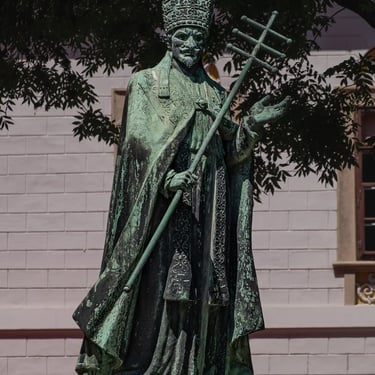
Pope Innocent XI Statue
The hand of revival
Historical figure and era
Péter Pázmány (1570–1637) was a Hungarian Jesuit cardinal, philosopher, and statesman who played a key role in the Catholic renewal of the 17th century. He helped standardize and elevate the Hungarian language and founded important educational and ecclesiastical institutions.
Creation and historical context
Béla Radnai’s 1914 statue depicts Pázmány in a thoughtful, instructive pose, emphasizing the hand that points or blesses as a teaching tool. Unveiled on the eve of World War I, the statue linked contemporary aspirations for intellectual and moral renewal to an earlier period of reform. The figure suggests revival as an ongoing process of education and persuasion rather than a single dramatic act.
Statue by Béla Radnai, August 19, 1914. [24]
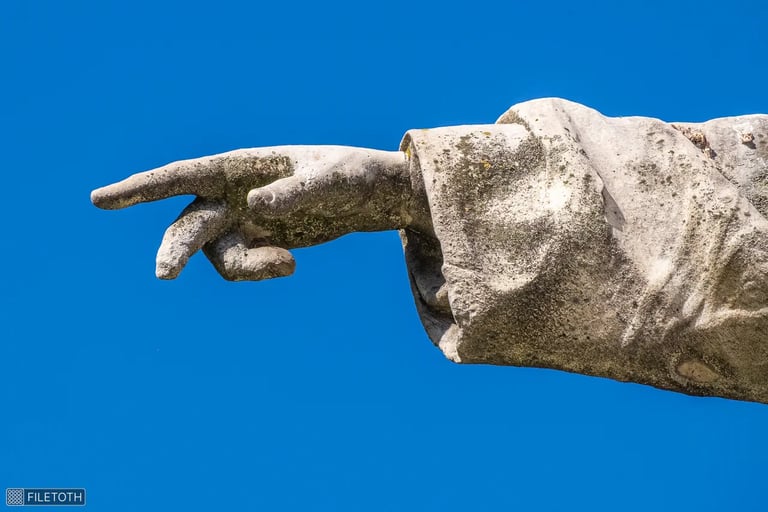
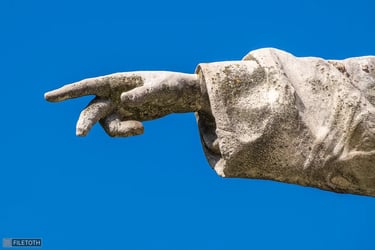
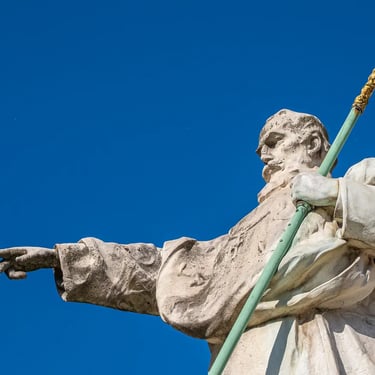
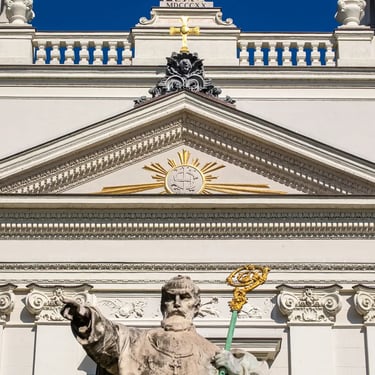
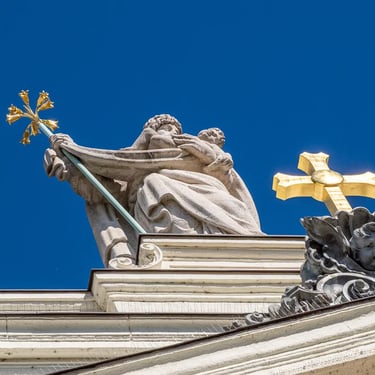
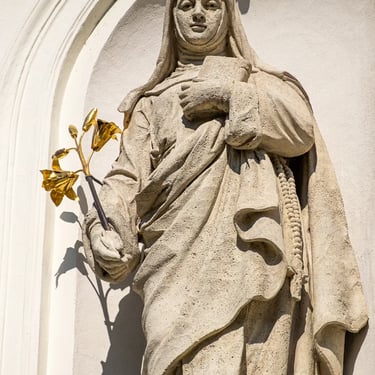
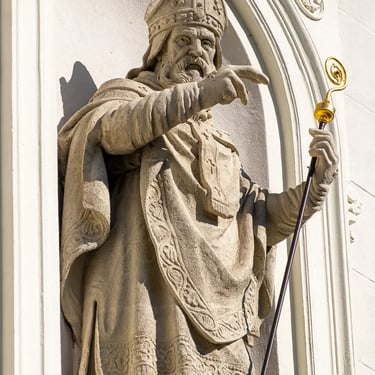
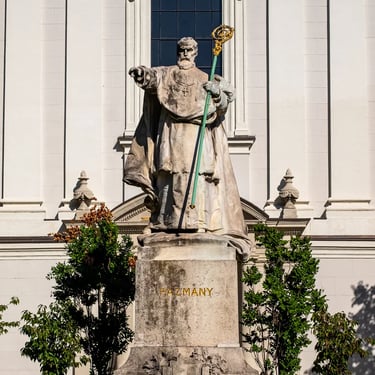
Péter Pázmány statue
The hand of conviction
Historical figure and era
The statue of Count Nándor Zichy (1829–1911) honors a notable Hungarian statesman, founder, and leader of the Catholic People’s Party. At his side stand two figures: Abbot János Molnár, symbolizing Zichy’s political and religious legacy, and a peasant representing the party’s supporters, bowing with a flag before the leader.
Creation and historical context
Antal Orbán’s 1930 composition stages an encounter among the leader, the clergy, and the people, translating political ideas into a three‑figure tableau. Unveiled in the interwar period, it reflects contemporary debates about representation, tradition, and social order. The arrangement suggests that notions of community, faith, and authority are negotiated among different actors rather than held by a single actor.
Statue by Antal Orbán, November 16, 1930. [25]
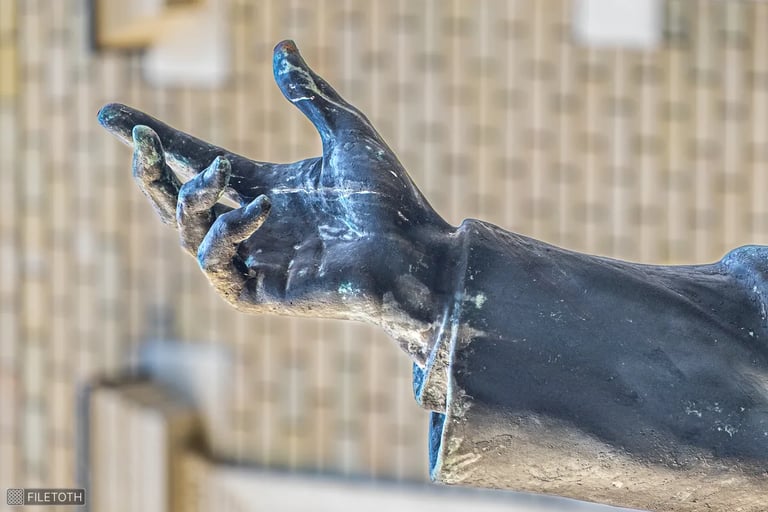
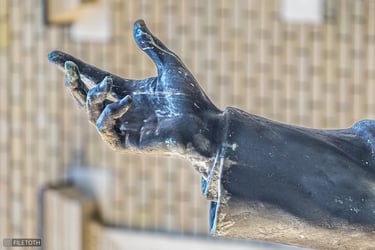
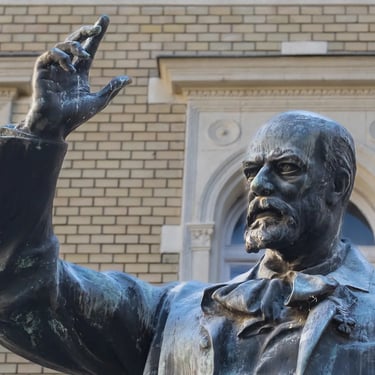
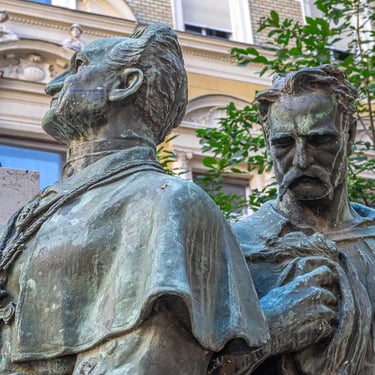
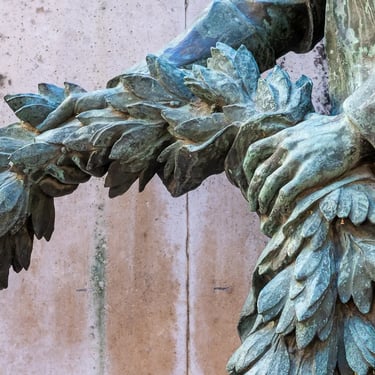
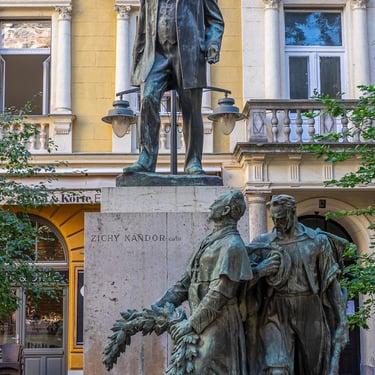
Nándor Zichy statue
The hand of resistance
Historical figure and era
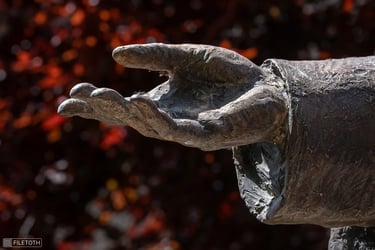
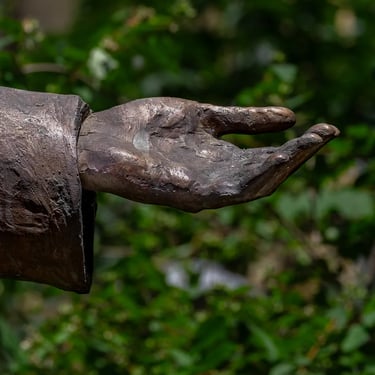
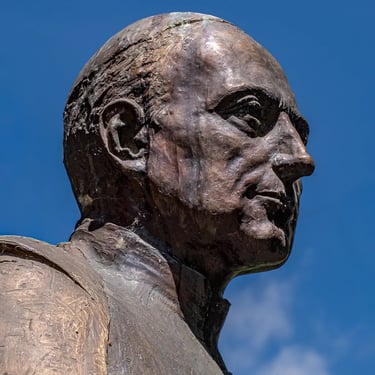
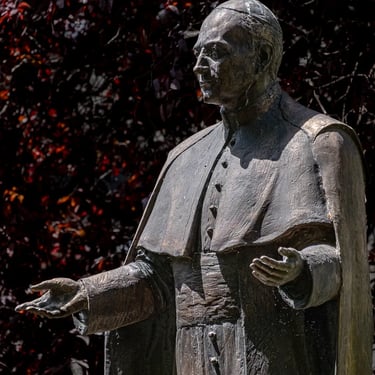
József Mindszenty (1892–1975) was a Hungarian Catholic priest, bishop of Veszprém, and, from 1945, prince‑primate of Hungary, known for his outspoken opposition to both fascist and communist regimes. Arrested and tortured under communism, he became an international symbol of religious and political resistance, spending years in prison and later living under de facto house arrest in the U.S. embassy in Budapest before his exile.
Creation and historical context
Zsolt Hermann’s statue, unveiled in 2017, was created in post‑socialist Hungary, which was re‑evaluating 20th‑century church‑state relations and foregrounding once‑marginalized dissident figures. The work portrays Mindszenty not as a distant church dignitary but as a resolute, slightly forward‑leaning figure, emphasizing moral steadfastness rather than institutional rank. The statue can be read as a distilled image of resistance grounded in conscience, with the cardinal’s hand and stance suggesting refusal rather than blessing or welcome.
Statue by Zsolt Hermann, November 6, 2017. [46]
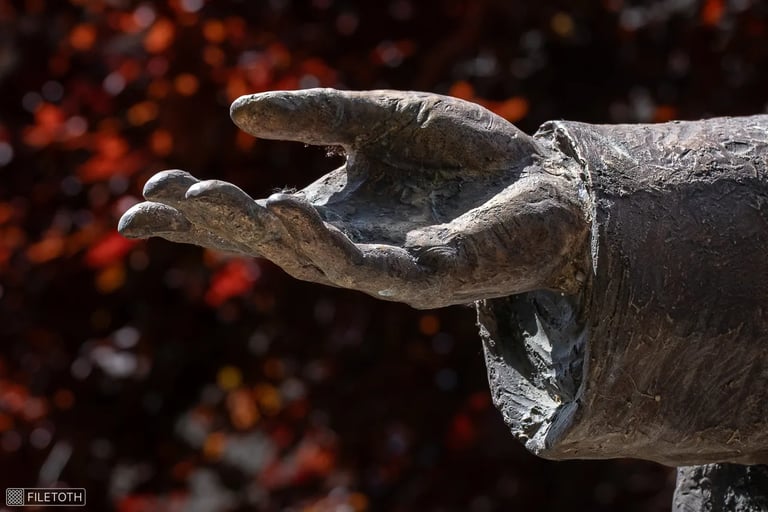
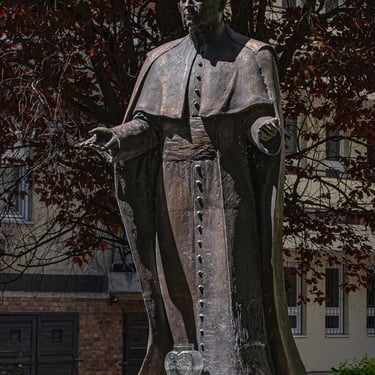
József Mindszenty statue
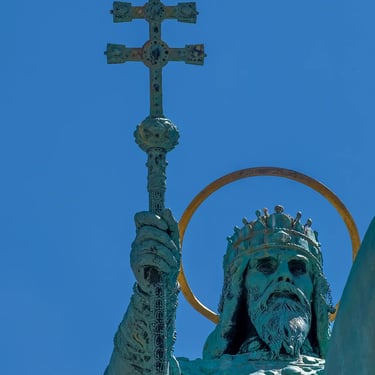
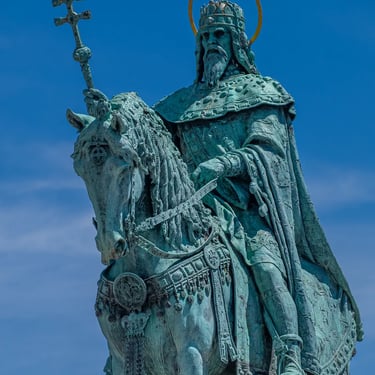
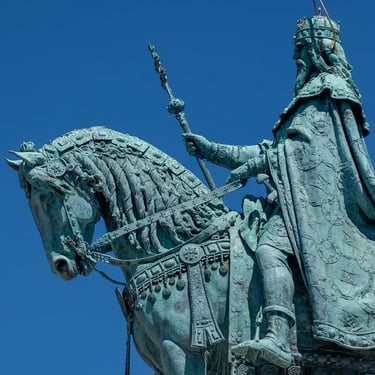
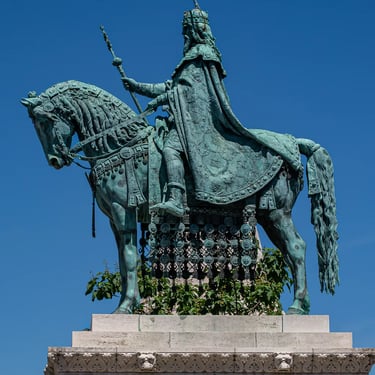
The hand of foundation
Historical figure and era
Saint Stephen I (c. 975–1038), the first king of Hungary, is regarded as the founder of the Hungarian state and a central figure in its Christianization. Crowned around 1000, he transformed a federation of tribes into a kingdom integrated into medieval Europe through new institutions, laws, and governance. Canonized in 1083, he became both a national ruler and a religious symbol whose legacy continues to shape Hungarian identity.
Creation and historical context
Alajos Strobl's equestrian statue was unveiled in 1906 on the terrace of Fisherman's Bastion overlooking the Danube. Created during a period of renewed interest in Hungary’s national past, it portrays Saint Stephen as a calm, dignified ruler rather than a conquering warrior. The apostolic double cross links royal authority and Christian faith. Up close, the king's gloved hand holds the double cross while the other guides the horse. The gesture conveys responsibility rather than command or triumph.
Statue by Alajos Strobl, May 21, 1906. [51]
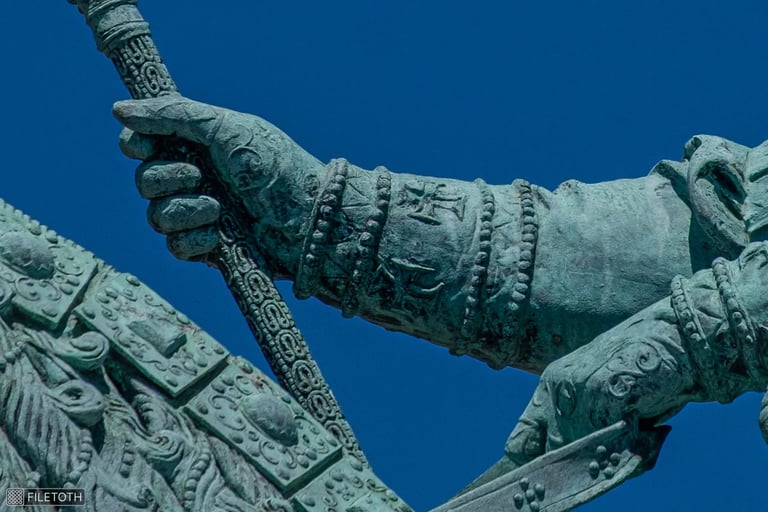
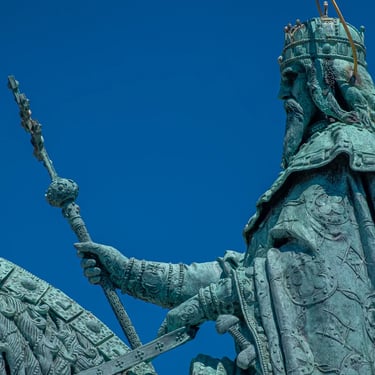
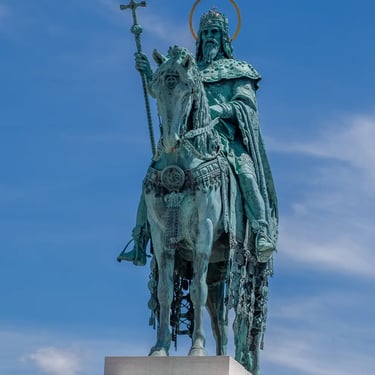
Saint Stephen Statue
This perspective continues to expand over time.
Explore other perspectives:
Memento | Expression | Devotion | Endeavor
Browse the full reference index.
An independent photographic and research project by FILETOTH.
About | Legal and Privacy
Copyright © 2026 FILETOTH.
For inquiries or collaborations, please feel free to get in touch.