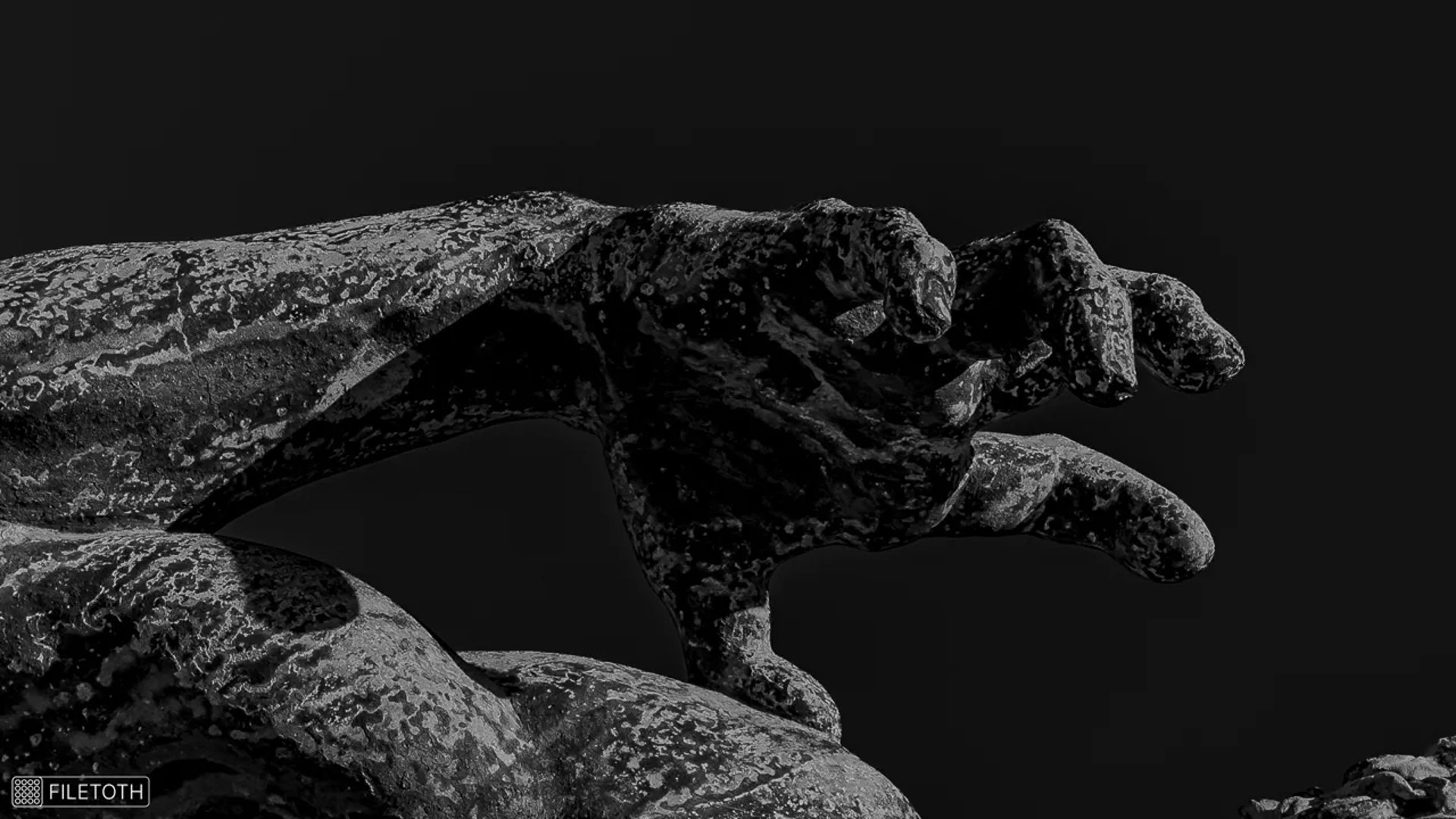
Hands that build, strive and shape the world.
ENDEAVOR
Inventors, builders, thinkers — gestures reflecting human effort, discipline and ambition.
These figures embody human effort—from invention and craftsmanship to discipline, learning, and achievement.
The hand of ingenuity
Historical figure and era
The statues at the main entrance of the Technical University of Budapest represent the technical sciences: mechanical engineering, chemical engineering, architecture, and engineering sciences. Together, the figures embody a modern university’s confidence in knowledge applied through careful calculation and design.
Creation and historical context
Installed in 1909, the statues framed the university’s façade at a time when industrialization and engineering were central to national development. In 1945, at the end of World War II, they were completely destroyed; in 2007, for the university’s 225th anniversary, they were reconstructed from a surviving photograph and returned to their original positions. The renewed figures connect generations of students and researchers, suggesting continuity through war, reconstruction, and technological change. Their tools and gestures quietly celebrate ingenuity—the ability to solve problems through knowledge, creativity, and shared technical skill.
Statues by Károly Senyei, 1909 (reconstructed 2007). [14]
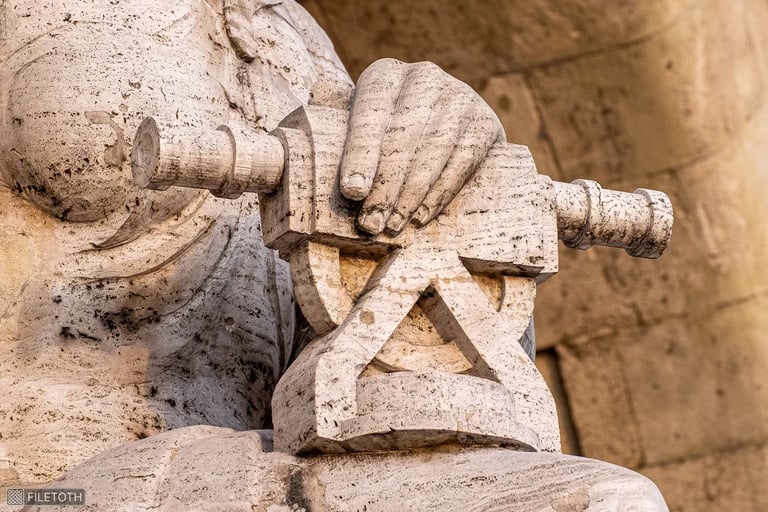
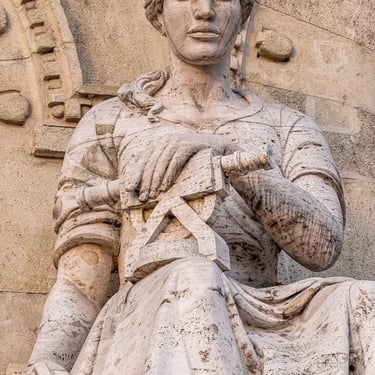
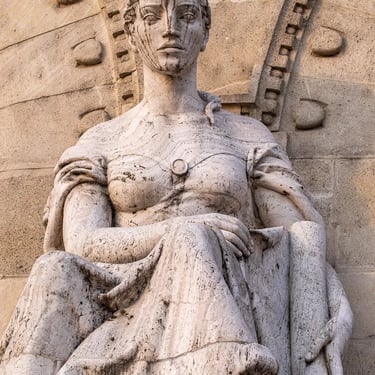
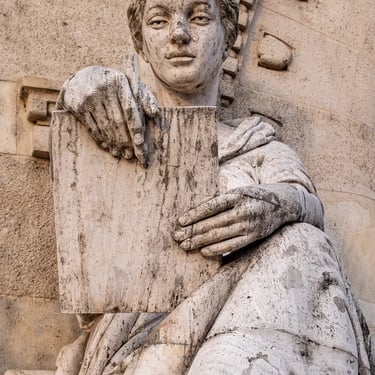
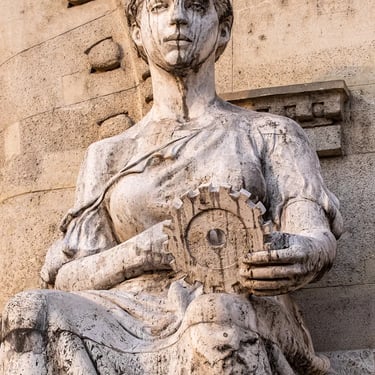
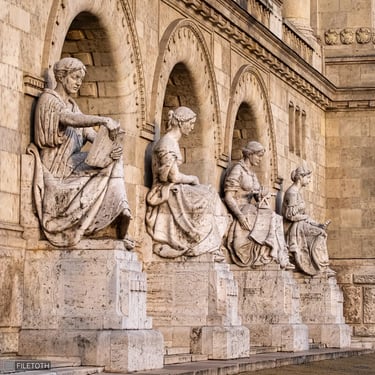
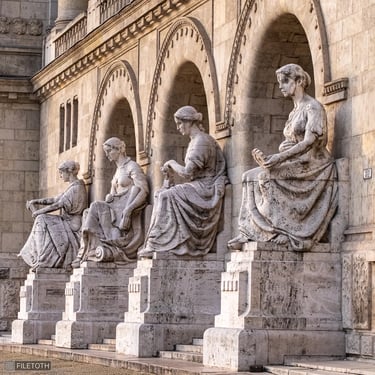
Technical University of Budapest statues
The hand of legacy
Historical figure and era
From left to right, the seven figures in the pediment are the River Dráva, Art, Science, Pannonia (the official Roman province that covered the western portion of modern-day Hungary), History, Fame, and the River Danube. The two rivers symbolize Hungary, while the four abstract figures represent key intellectual ideals of the first half of the 19th century.
Creation and historical context
In the center, Pannonia holds laurel wreaths in both hands, extending them in opposite directions as if linking homeland and achievement. Created in 1842, the sculpted group frames visitors’ approach to the composition, crowning the National Museum’s façade with an image of harmony among territory, learning, and public memory at the height of the Reform Era. The raised wreaths suggest that legacy is shared between the past and the present.
Statues by Rafael Monti and Ludwig Schaller, 1842. [17]
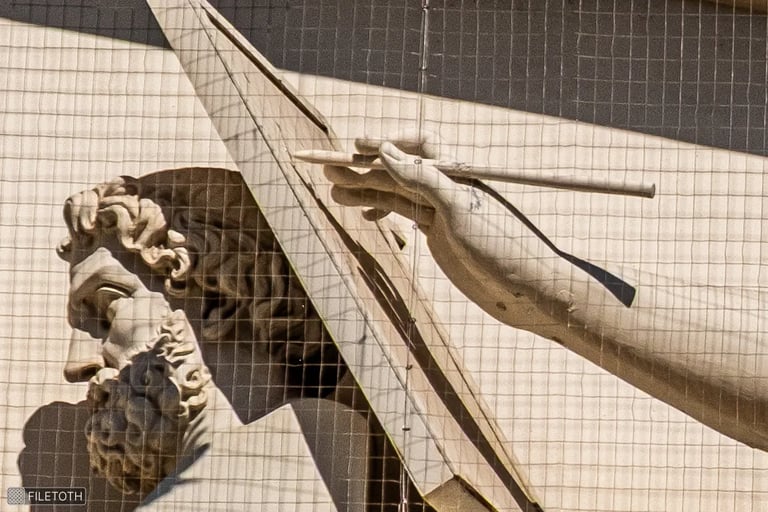
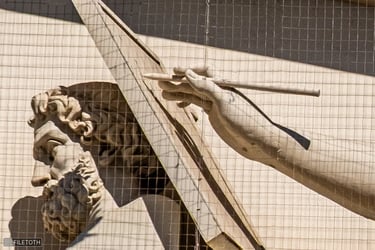
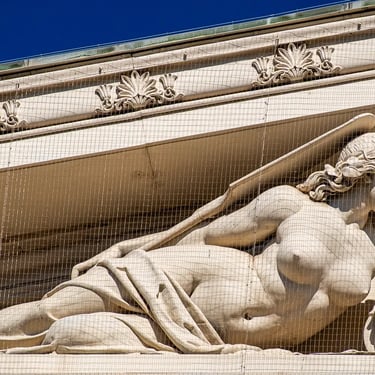
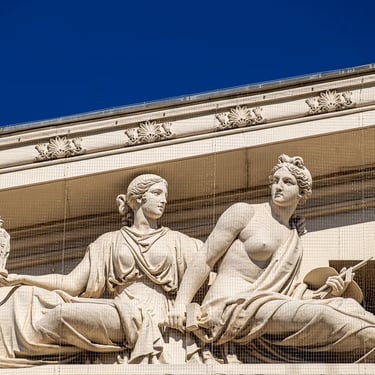
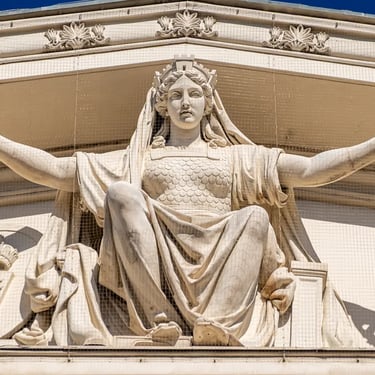
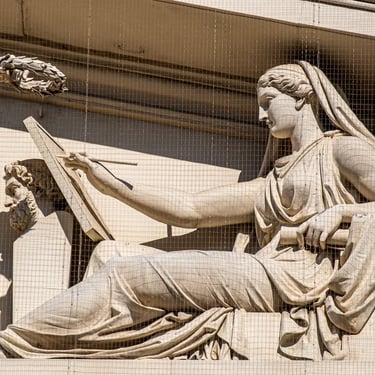
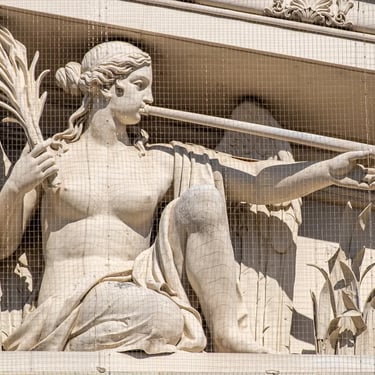
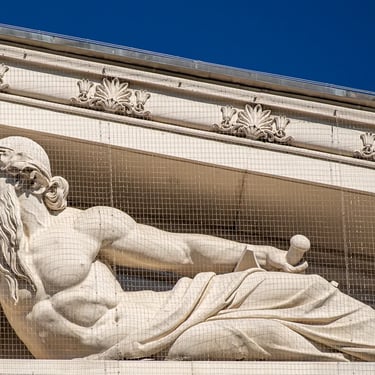
Statues in the pediment of the National Museum
The hand of argument
Historical figure and era
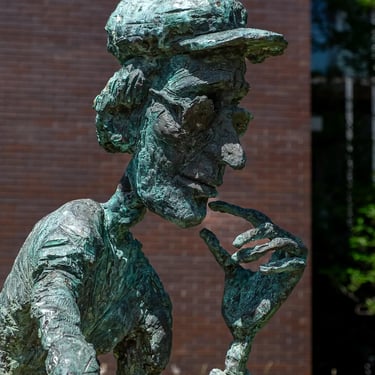
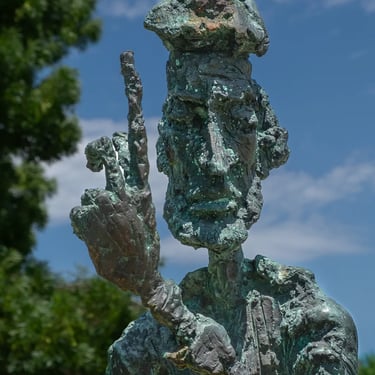
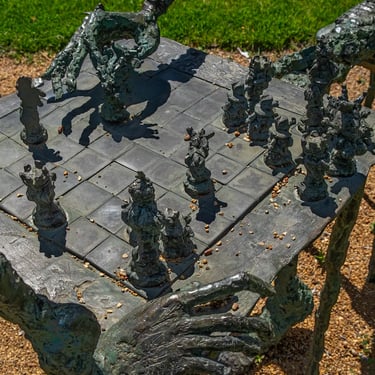
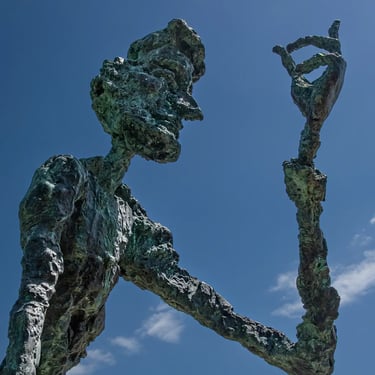
The statue depicts a master and his pupil locked in an endgame, two clown‑like chess players rather than specific historical figures. The scene taps into Budapest’s long chess tradition, where it is both an everyday pastime and a concentrated mental duel, echoing games played in parks, cafés, and baths across the city.
Creation and historical context
Ernő Tóth’s bronze group, completed in 2010, is part of a wave of human‑scale public artworks that place ordinary, often playful characters directly in visitors’ paths. Set not on a pedestal but on the gravel walkway, it presents a real endgame position with two pieces on the ground, turning a refined exercise in strategy into a slightly chaotic, argumentative moment. Visitors can step right up to the table, align themselves with the master or the pupil, and silently take sides in the dispute over the position—and the fallen pieces. The pointed hand, tense shoulders, and scattered figures give the endgame a physical form.
Statue by Ernő Tóth, 2010. [41]
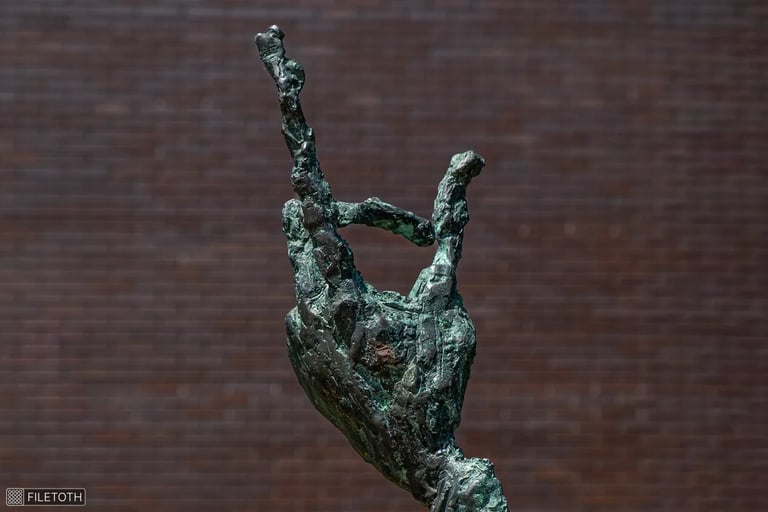
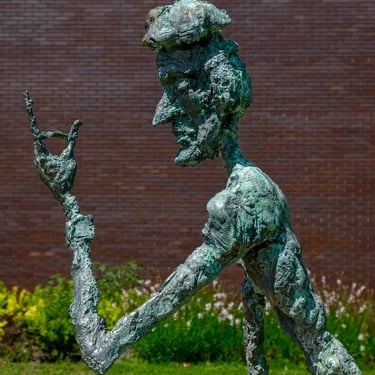
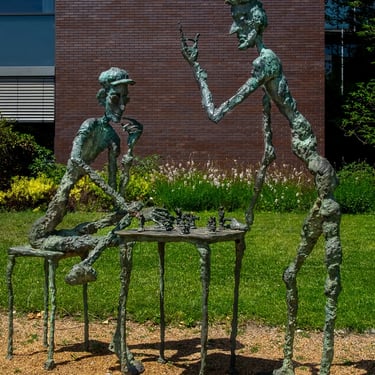
Chess Players statue
The hand of discipline
Historical figure and era
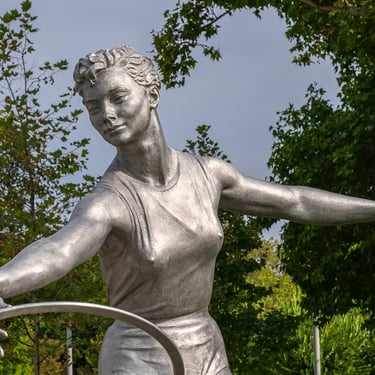
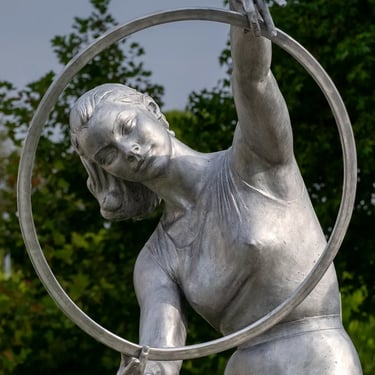
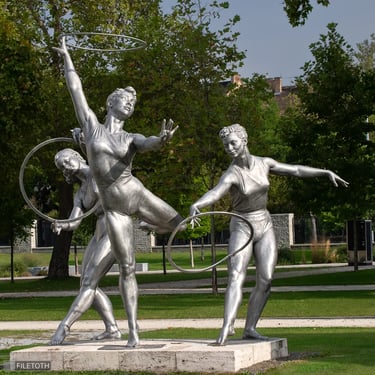
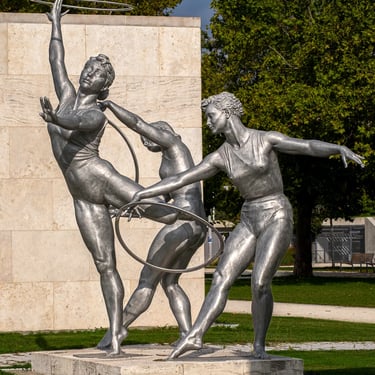
Dezső Győri (1908–1979) was a sculptor whose public works often followed official themes while maintaining a clear, naturalistic sense of movement and the body. His 1958 group of girl gymnasts depicts a hoop routine in mid‑flow: the figures are graceful and energetic, neither childlike nor acrobatically idealized, suggesting everyday strength rather than unattainable perfection.
Creation and historical context
The statue was installed in the Stadionkert beside the Népstadion’s ceremonial avenue of sport sculptures, one of sixteen figure groups that transformed the approach to Hungary’s national stadium into an open‑air gallery of socialist‑era bodies in motion. Created at a time when mass sport and physical culture were central to state propaganda, the work celebrates collective exercise and discipline while quietly broadening the image of who could appear as a female athlete in bronze. The gymnasts evoke both the optimism and the constraints of a period when sport was asked to embody ideals of health and community. Their synchronized movement also reflects the discipline and persistence that turn repeated practice into achievement.
Statue by Dezső Győri, 1958. [6]
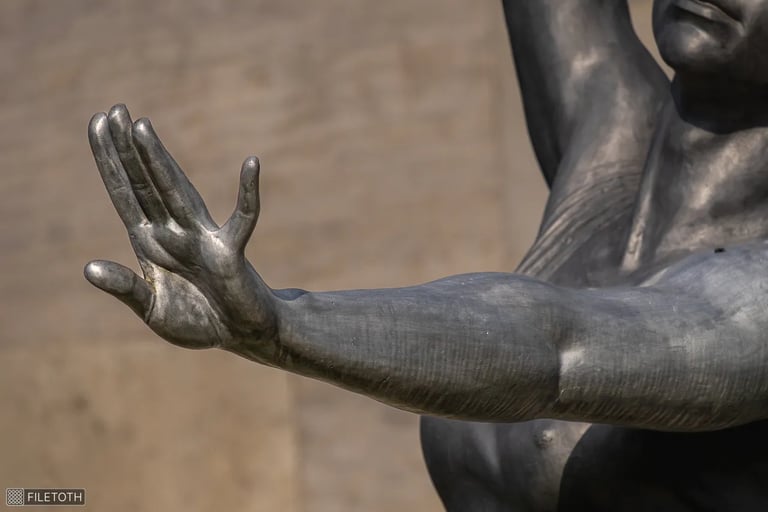
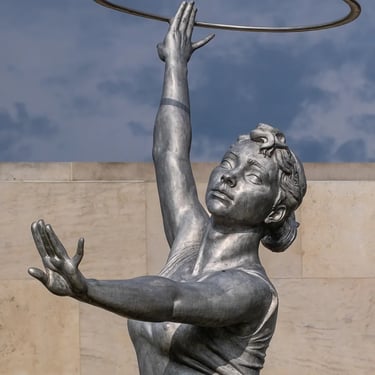
Gymnasts statue
The hand of vigor
Historical figure and era
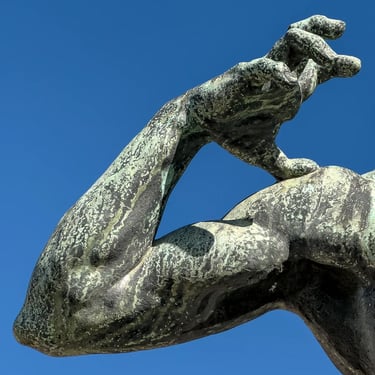
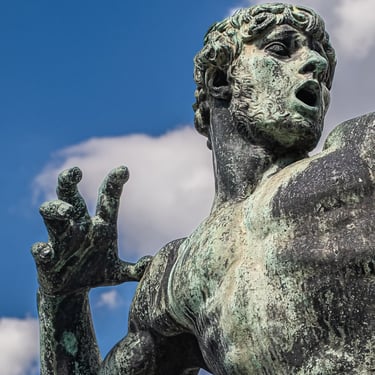
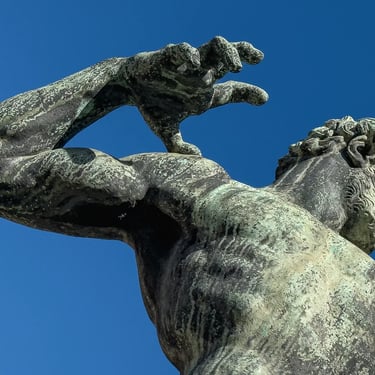
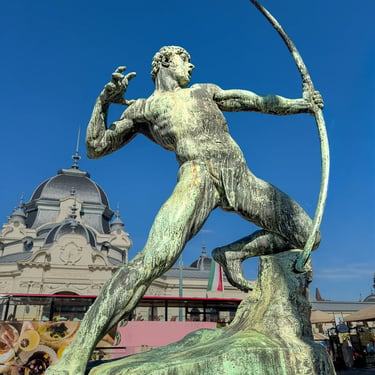
The Archer embodies the ideals of precision, strength, and vitality that resonated with the cultural climate of the 1920s. The bronze figure captures the tense moment just before release, when concentration and physical power are held in perfect balance.
Creation and historical context
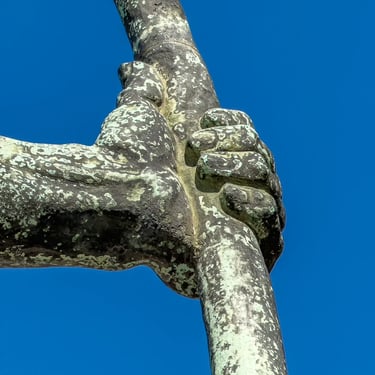
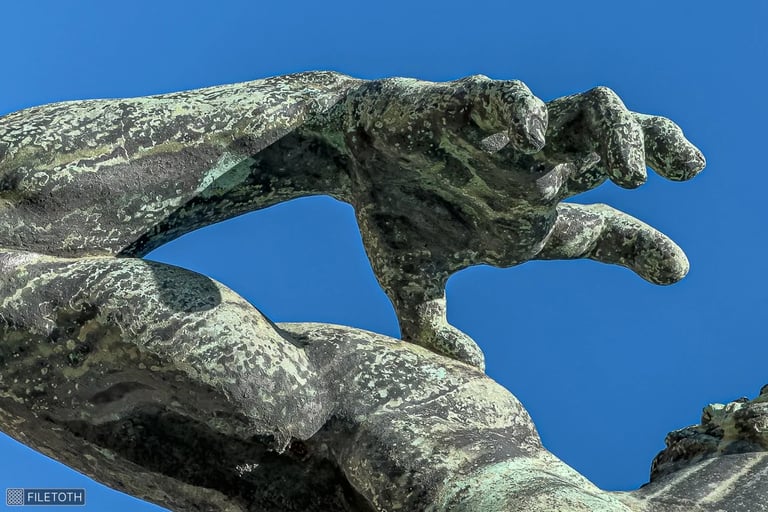
Sculpted in 1925 by Zsigmond Kisfaludi Strobl, the work showcases technical skill and artistic elegance at a time when athletic bodies and classical motifs were widely used to express modern aspirations. Its detailed anatomy and dynamic pose link traditional craftsmanship with a fresh sense of movement. The drawn bow and poised hand convey readiness and focus, suggesting vigor as controlled energy rather than uncontrolled force. In its setting, the statue offers a visual shorthand for perseverance and disciplined effort.
Statue by Zsigmond Kisfaludi Strobl, 1925. [26]
Archer statue
The hand of belonging
Historical figure and era
The sculpture of The Paul Street Boys brings Ferenc Molnár’s 1906 novel to life, about Budapest schoolboys who treat their vacant playing lot — 'the grund' — as a homeland. Set in a rapidly modernizing city, the story follows a small group of children whose games gradually adopt the rules, hierarchies, and conflicts of the adult world around them.
Creation and historical context
Péter Szanyi’s 2007 statue is located near the site where the story unfolds in the book, placing the boys on the street at ground level, as if the 'grund' had opened directly into the present‑day city. The grouped figures, caught mid‑discussion and mid‑movement, echo the novel’s mix of strategy, rivalry, and makeshift democracy among children who take their territory deadly seriously. The sculpted boys embody a fragile children’s world that mirrors adult society, where loyalty, courage, honor, and loss first appear.
Statue by Péter Szanyi, September 28, 2007. [47]
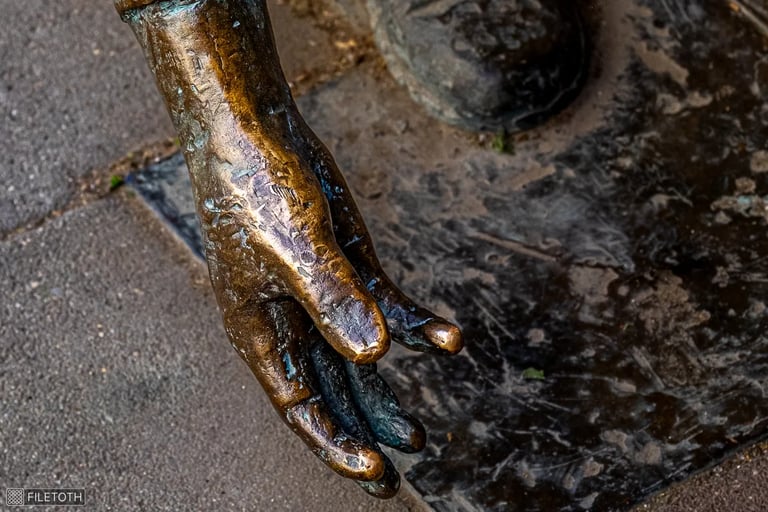
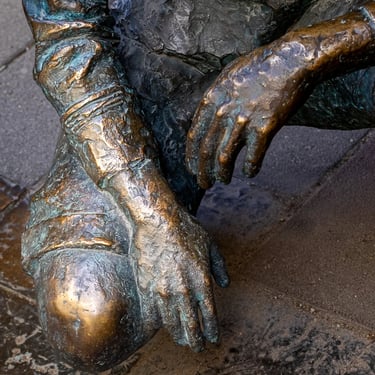
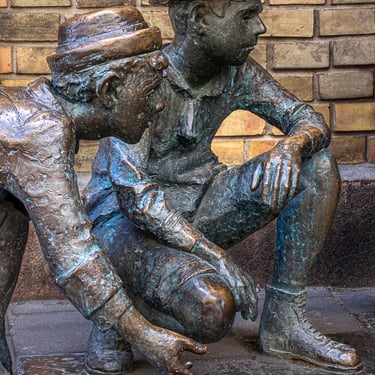
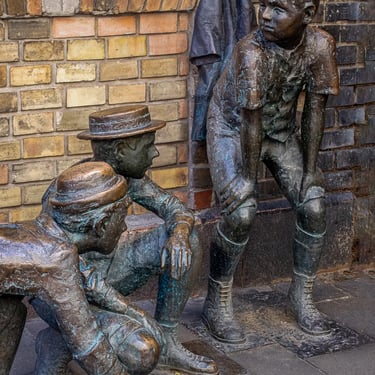
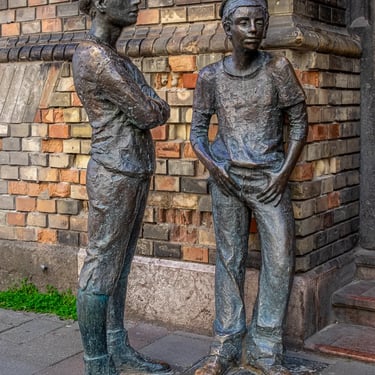
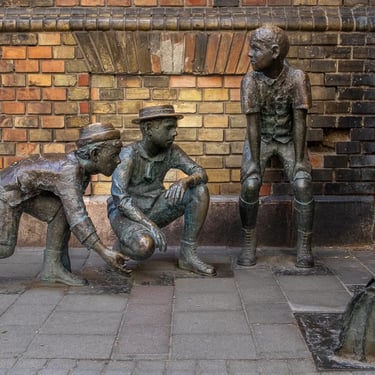
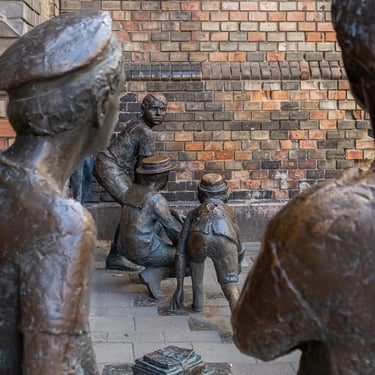
Paul Street Boys statue
The hand of grace
Historical figure and era
Ágnes Keleti (1921–2025) was a Hungarian‑Israeli artistic gymnast, Holocaust survivor, and coach who won ten Olympic medals—five gold—making her the most decorated Hungarian female Olympian. Her career, interrupted by persecution and war, came to embody both elite athletic achievement and a broader story of survival, emigration, and return between Budapest and Israel.
Creation and historical context
Márk Lelkes’s bronze statue, unveiled in 2026, shortly after Keleti’s death at age 104, honors her as a five‑time Olympic champion and bearer of the title “Nation’s Athlete.” The work depicts her in a full split, a poised, almost weightless pose that recalls mid‑20th‑century gymnastics style and the later decades when she became a symbol of longevity and grace. Placed near her former home, the statue links Keleti’s exceptional sporting record to an everyday urban setting, folding biography and local memory into a single, elongated gesture.
Statue by Márk Lelkes, March 30, 2026. [45]
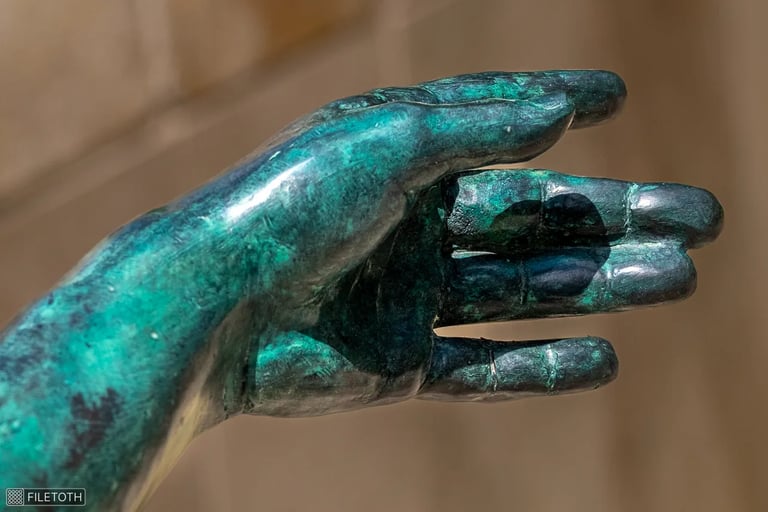
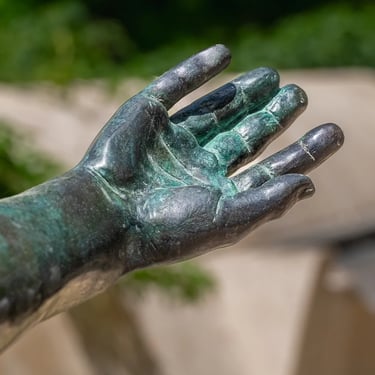
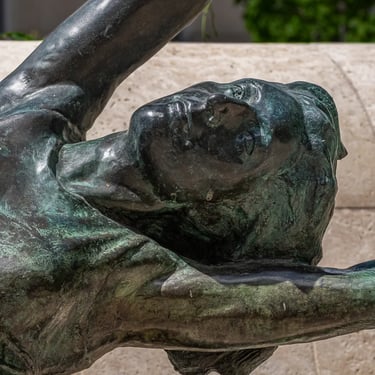
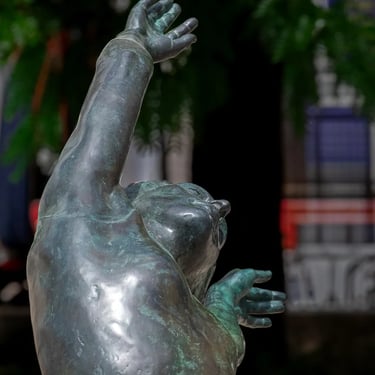
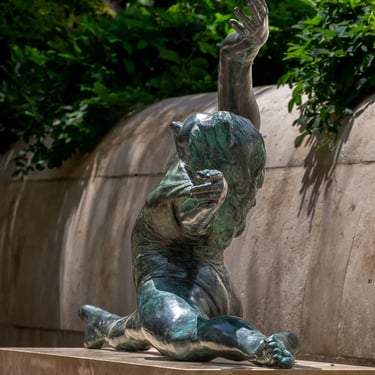
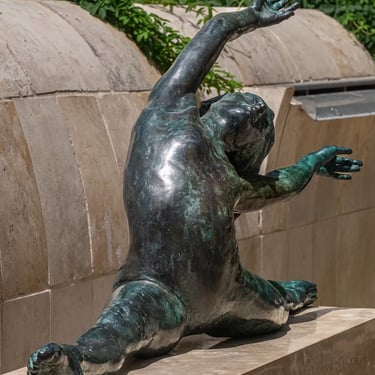
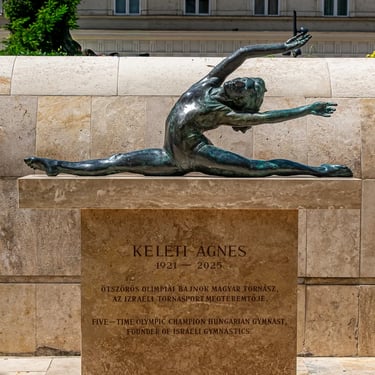
Ágnes Keleti statue
The hand of innovation
Historical figure and era
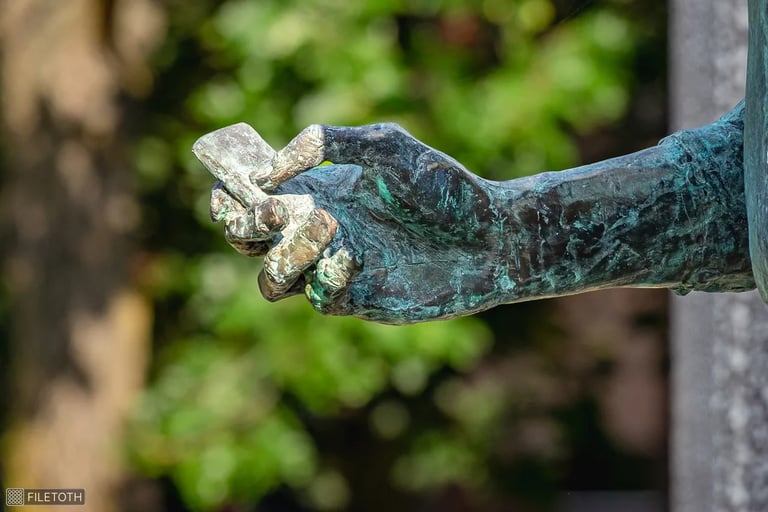
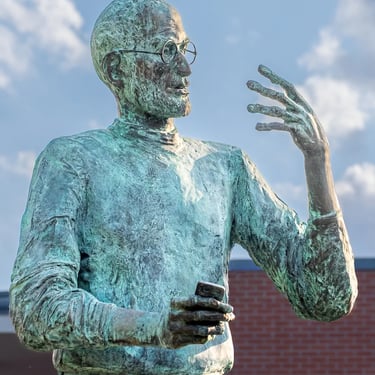
Steve Jobs (1955–2011) was a visionary innovator and co‑founder of Apple, known for launching products such as the iPhone, which reshaped technology, design, and everyday communication. His insistence on simplicity, integration, and user‑focused design helped define the look and feel of the digital era.
Creation and historical context
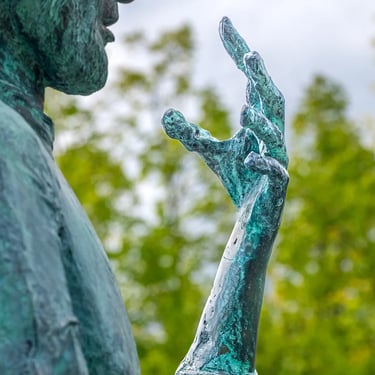
Ernő Tóth’s 2011 statue, unveiled shortly after Jobs’s death, depicts him in a characteristic pose that emphasizes gesture and presence over portrait detail. Placed in a public corporate setting, it reflects how a once‑niche computer culture has become central to global business and personal life. The outstretched hand suggests both presentation and invitation, as if offering an unseen device to the viewer. In this context, innovation appears as a mix of charisma, risk, and persistent refinement rather than a single breakthrough.
Statue by Ernő Tóth, December 21, 2011. [15]
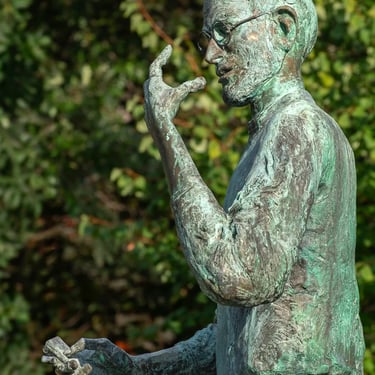
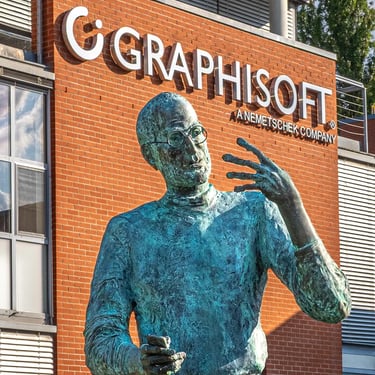
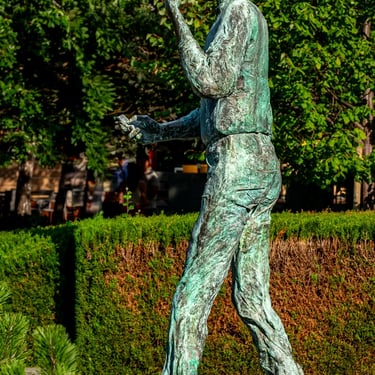
Steve Jobs statue
The hand of learning
Historical figure and era
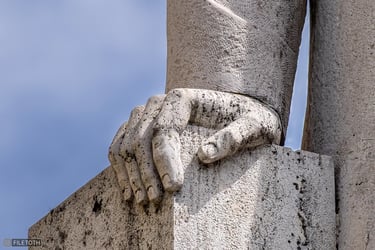
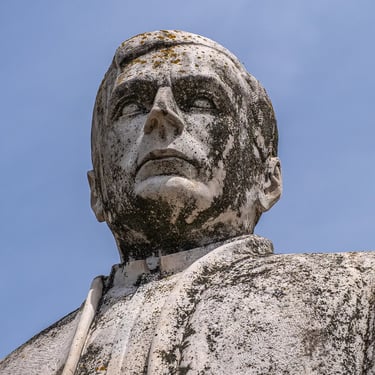
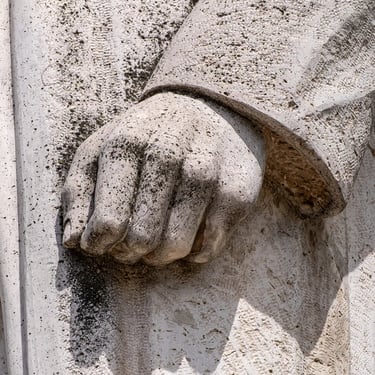
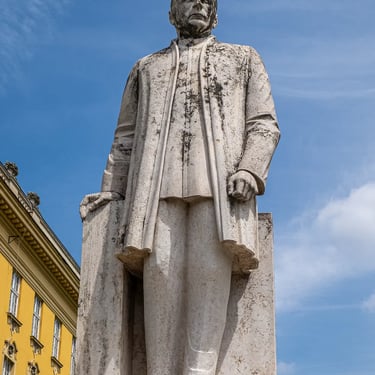
Kunó Klebelsberg (1875–1932) served as Hungary’s interwar Minister of Religion and Public Education and was a key architect of cultural and educational policy following the Treaty of Trianon. His program of rural schools, universities, museums, and cultural institutes abroad made him emblematic of the belief that national renewal must be grounded in knowledge and the arts.
Creation and historical context
Jenő Grantner’s memorial was unveiled in 1939. The classicizing group places Klebelsberg between a seated male figure representing Science and a seated female figure representing Art, reflecting a late‑1930s vision of him as a statesman who channeled state power into cultural infrastructure and intellectual life. The memorial condenses an entire cultural program into a single gesture of address. Art and Science flank Klebelsberg like living arguments for his priorities.
Memorial by Jenő Grantner, May 9, 1939. [44]
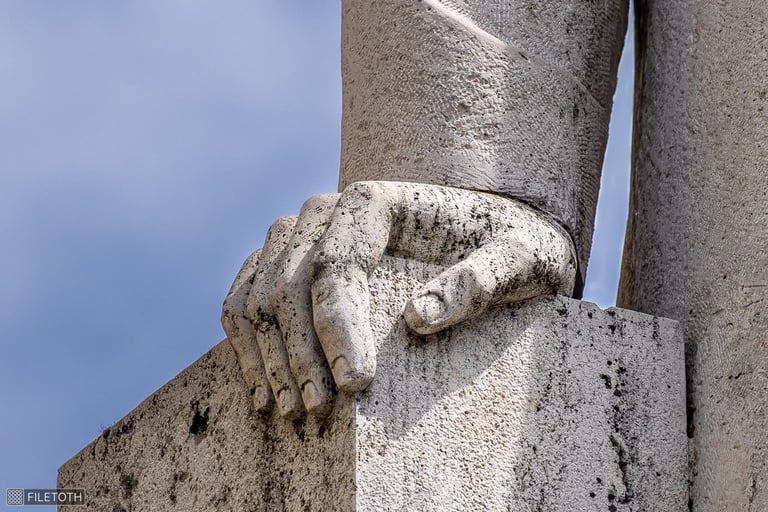
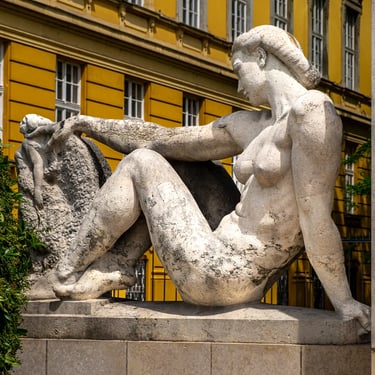
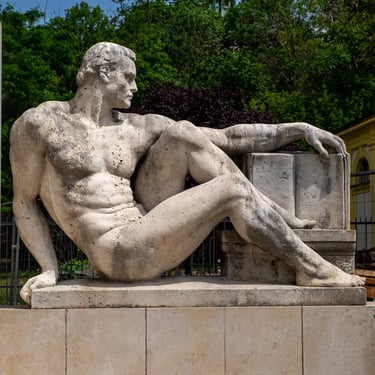
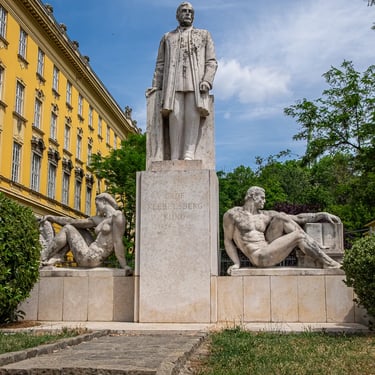
Kunó Klebelsberg Memorial
The hand of connection
Historical figure and era
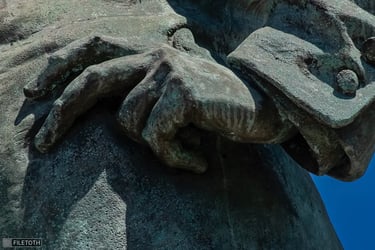
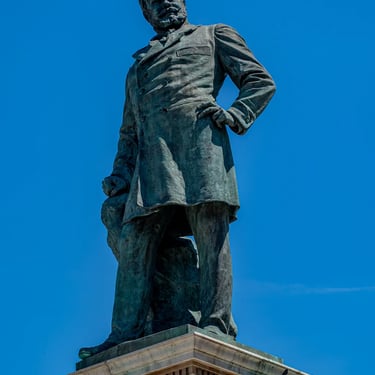
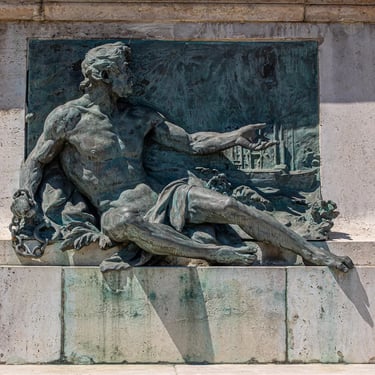
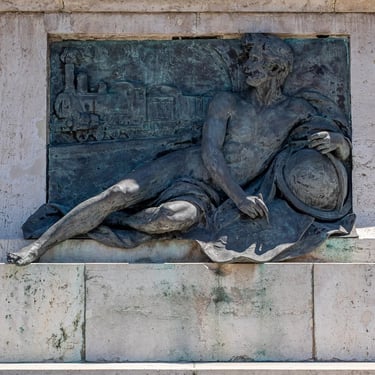
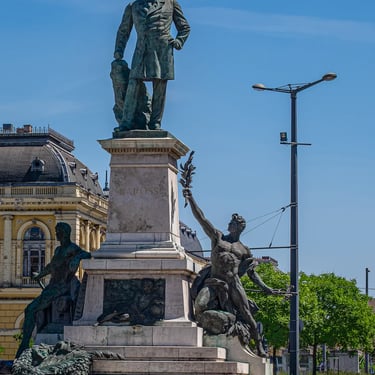
Gábor Baross (1848–1892), known as the “Iron Minister,” served as Hungary’s Minister of Transport and played a decisive role in nationalizing and expanding the railway network in the late 19th century. His policies helped integrate the Kingdom of Hungary economically and spatially, linking Budapest more closely to provincial towns and to international routes across Central Europe.
Creation and historical context
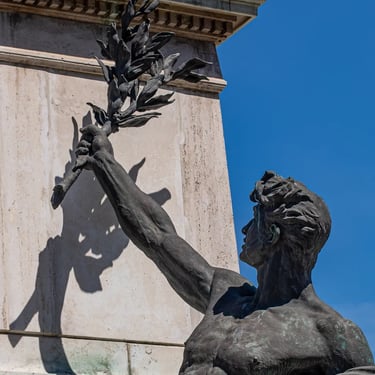
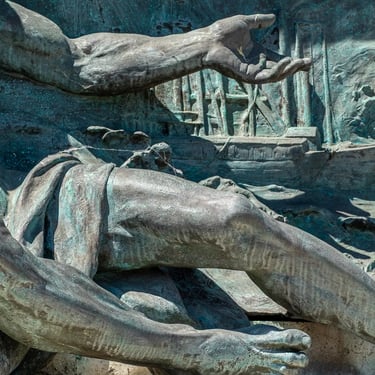
Antal Szécsi’s monument to Baross was unveiled in 1898, as Budapest transformed into a modern metropolis, with new railway hubs and boulevards reshaping the city. Over time, the statue and its allegorical figures became associated with the rise of modern Hungarian transport, reminding viewers that infrastructure is both a political project and an everyday lifeline. Set before one of Budapest’s busiest railway stations, the ensemble greets commuters, tourists, and long-distance travelers passing through the very systems Baross helped create.
Statue by Antal Szécsi, November 20, 1898. [31]
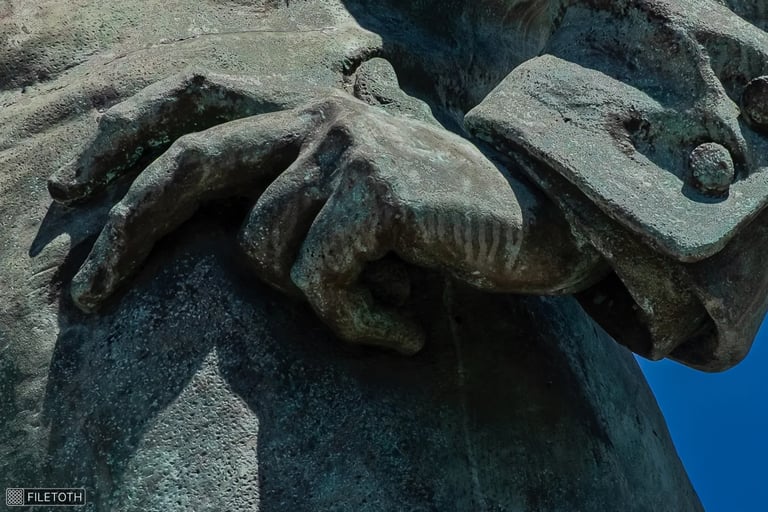
Gábor Baross statue
The hands of everyday life
Historical figure and era
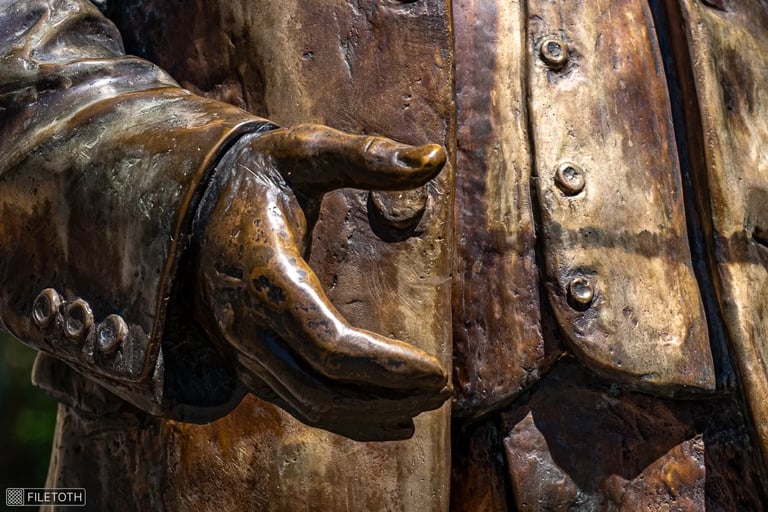
The lamplighter and junk dealer evoke the workers and traders who shaped everyday life in Józsefváros from the late 19th century onward, while Count László Teleki (1811–1861) represents the liberal politician and writer after whom the square is named. Together, they link the era of gas lighting and street markets to the political and literary history of the mid-19th century, embedding Teleki tér in multiple layers of urban memory.
Creation and historical context
The sculptural group was inaugurated in 2024, following the renewal of Teleki tér, reconnecting the square with its social past and creating a contemporary public space. The statues have become associated with a community-oriented view of the area, foregrounding ordinary livelihoods and local stories rather than national symbolism. Visitors encounter the lamplighter, junk dealer, and seated Teleki at ground level, among playgrounds, paths, and benches, often sharing the space with children, dog-walkers, and market stalls.
Statue by Attila Mészáros, September 10, 2024. [32]
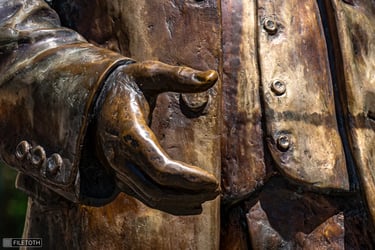
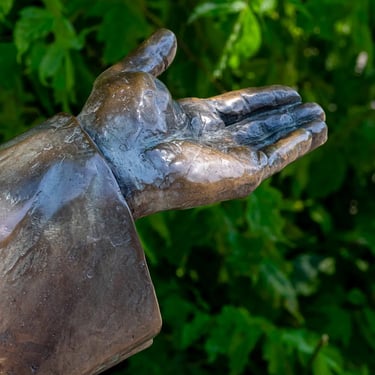
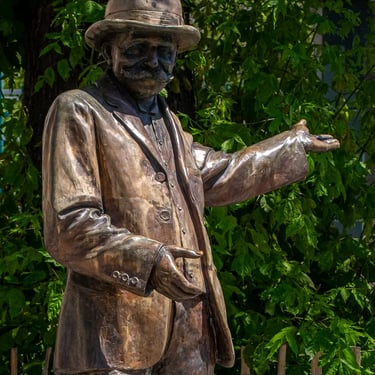
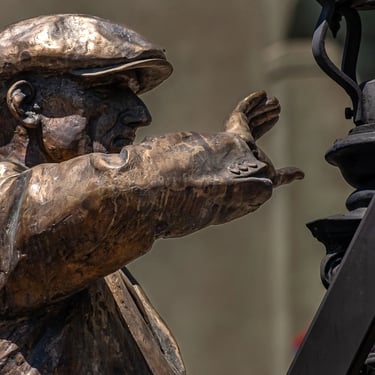
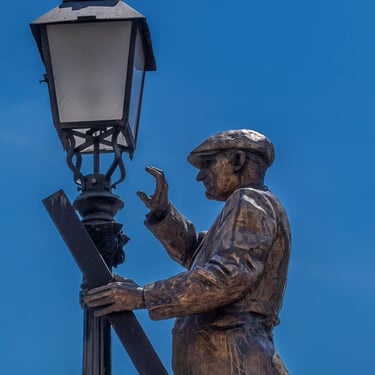
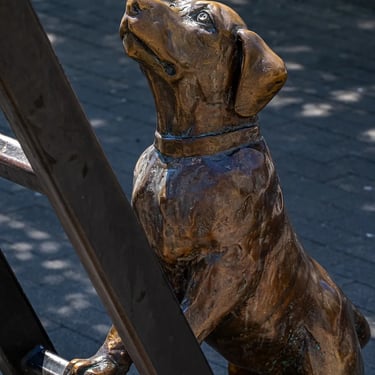
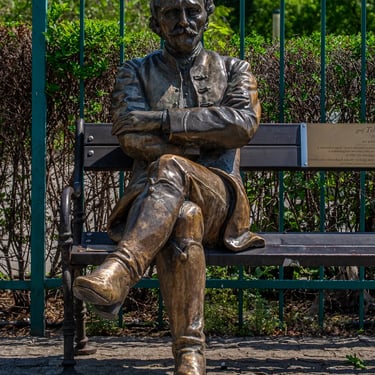
Teleki Square statues
The hand of civic duty
Historical figure and era
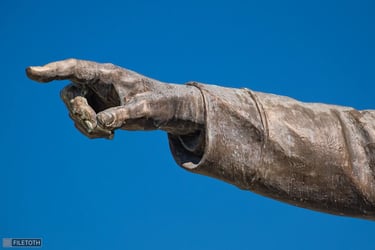
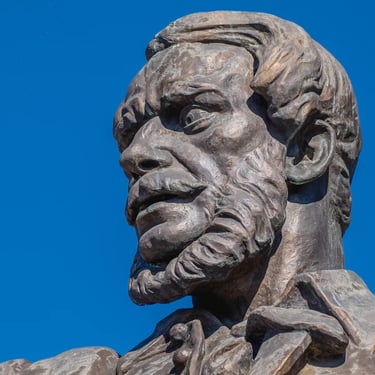
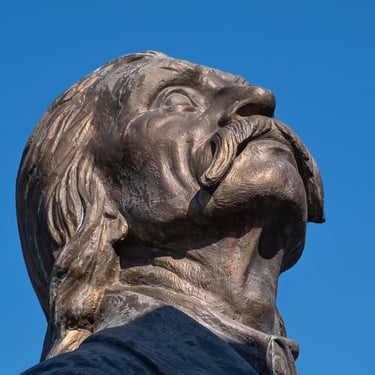
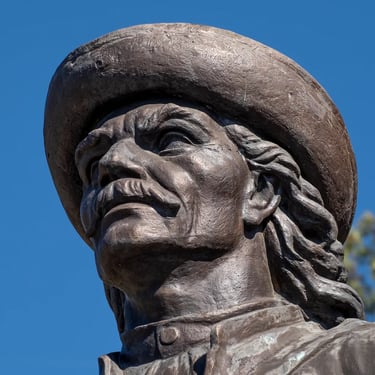
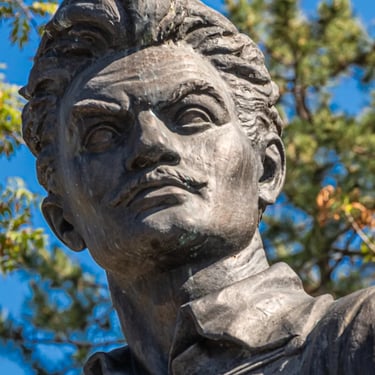
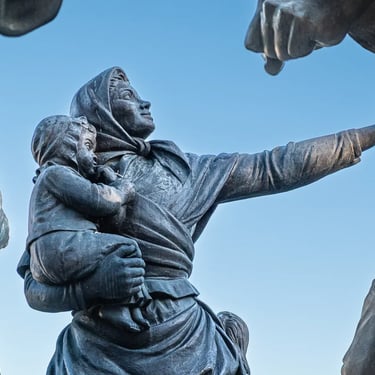
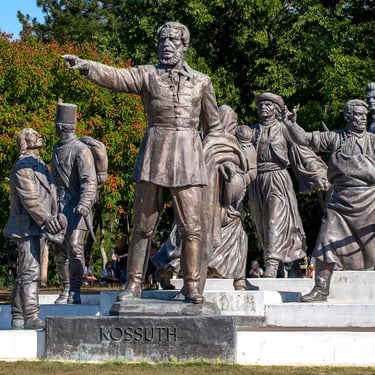
Lajos Kossuth (1802–1894) was a central figure in 19th‑century Hungarian public life, remembered as a symbol of independence and patriotism. As a statesman, journalist, and Governor‑President, he inspired the nation’s struggle for self‑determination during the 1848–49 revolution against the Habsburg Empire.
Creation and historical context
Zsigmond Kisfaludi Strobl’s 1952 statue depicts Kossuth in a controlled, dignified pose, emphasizing perseverance rather than dramatic action. Installed in the early 1950s, it reflects how successive regimes continued to invoke his image while adapting its meaning to their own era. The outstretched hand may suggest an ongoing appeal to civic duty and public responsibility.
Memorial by Zsigmond Kisfaludi Strobl, September 19, 1952. [18]
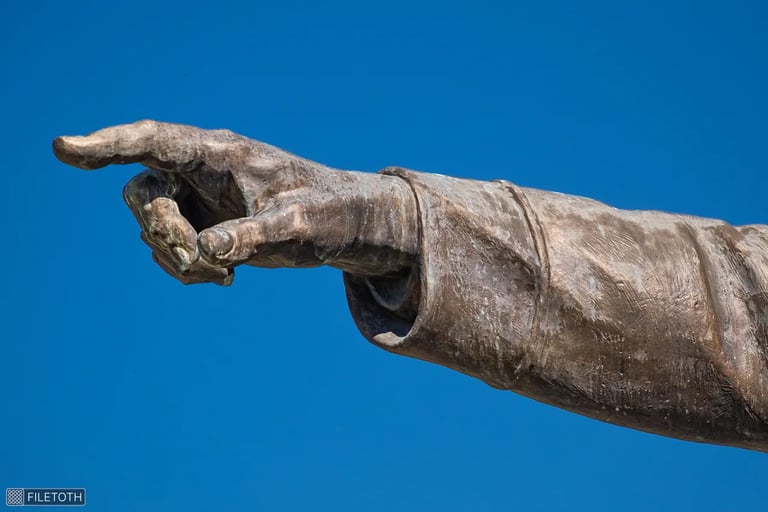
Lajos Kossuth Memorial
The hand of perseverance
Historical figure and era
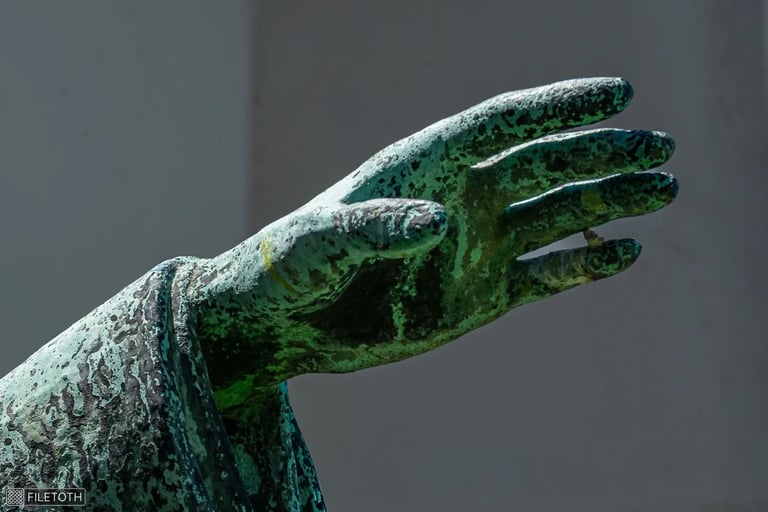
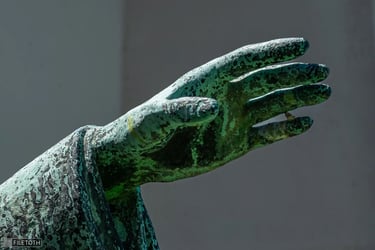
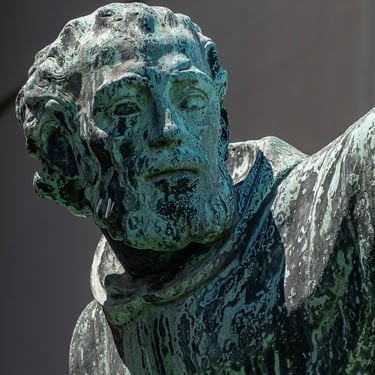
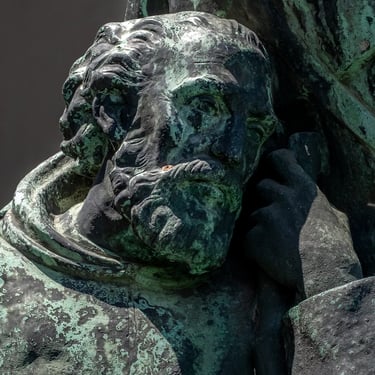
Brother Julianus was a 13th-century Dominican friar best known for his journeys in search of the eastern Hungarians, believed to have remained beyond the Carpathian Basin. In 1235, he traveled east with several companions. Two turned back, and Brother Gerhardus died before reaching their destination. Julianus continued alone and found the eastern Hungarians near the Volga. On a later journey, he brought reports of the advancing Mongols, whose campaigns would soon transform the region.
Creation and historical context
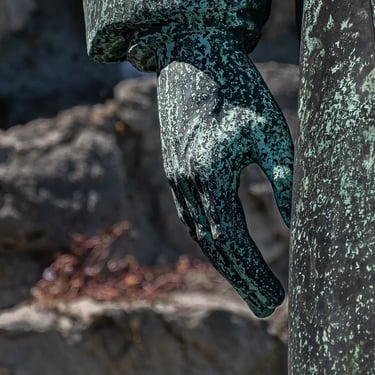
Károly Antal's 1937 sculpture commemorates the expedition's achievement and sacrifice. Rather than depicting discovery itself, the monument captures a moment of struggle. Gerhardus leans against Julianus, while Julianus supports his companion with one arm and points east with the other. The composition becomes a story of endurance, friendship, and determination. The sculpture's power lies in the relationship between the two figures. One arm bears a burden; the other indicates a direction. Together, they suggest that perseverance requires both support and purpose, to continue despite setbacks while keeping sight of a distant goal.
Statue by Károly Antal, 1937. [56]
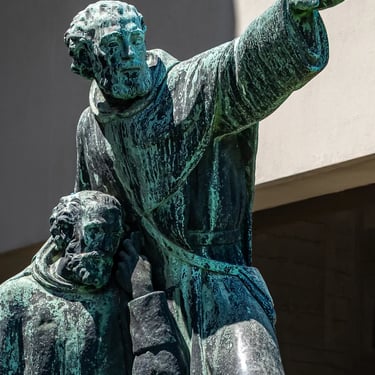
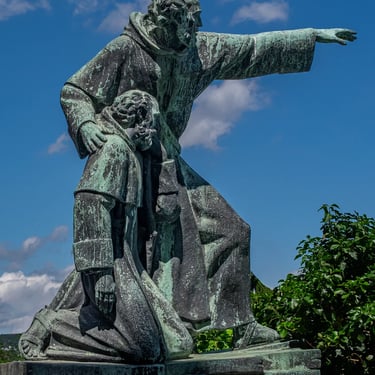
Statue of Gerhardus and Julianus
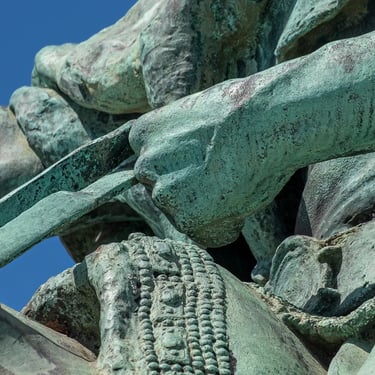
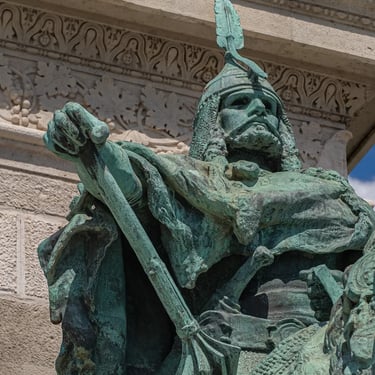
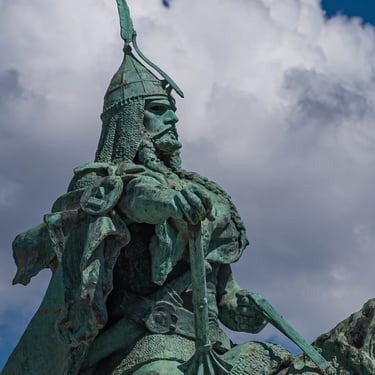
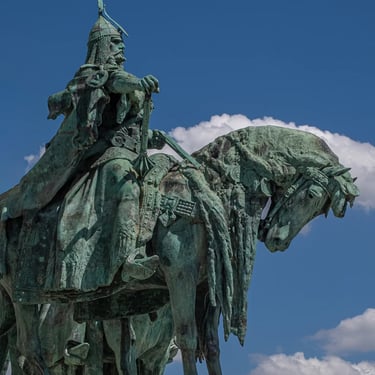
The hand of destiny
Historical figure and era
Grand Prince Árpád (c. 845–907) is traditionally regarded as the leader of the Hungarian tribes during the Conquest of the Carpathian Basin at the end of the 9th century. Although details of his life remain uncertain, he holds a foundational place in Hungarian historical memory as the figure who led his people into the territory that would become Hungary. Over time, Árpád became a symbol of origins, leadership, and collective destiny.
Creation and historical context
György Zala's equestrian statue, completed in 1912, is part of the sculptural program of the Fisherman's Bastion. Created during a period when Hungary sought to commemorate key figures from its past, it depicts Árpád as a confident leader surveying the land before him. His hand rests on a mace, an emblem of leadership, while the horse stands poised rather than charging forward. Viewed up close, the resting hand draws attention through its restraint. The weapon remains present yet unused; authority is suggested rather than asserted.
Statue by György Zala, 1912. [55]
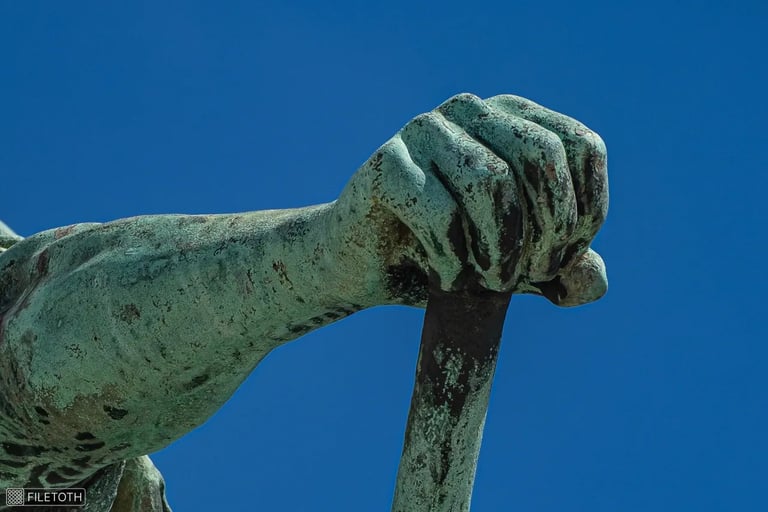
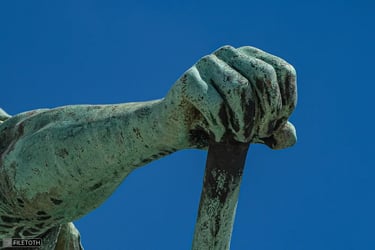
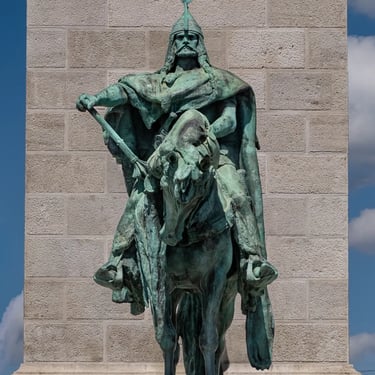
Statue of Grand Prince Árpád
This perspective continues to expand over time.
Explore other perspectives:
Memento | Expression | Devotion | Endeavor
Browse the full reference index.
An independent photographic and research project by FILETOTH.
About | Legal and Privacy
Copyright © 2026 FILETOTH.
For inquiries or collaborations, please feel free to get in touch.